Tuesday, September 21. 2021
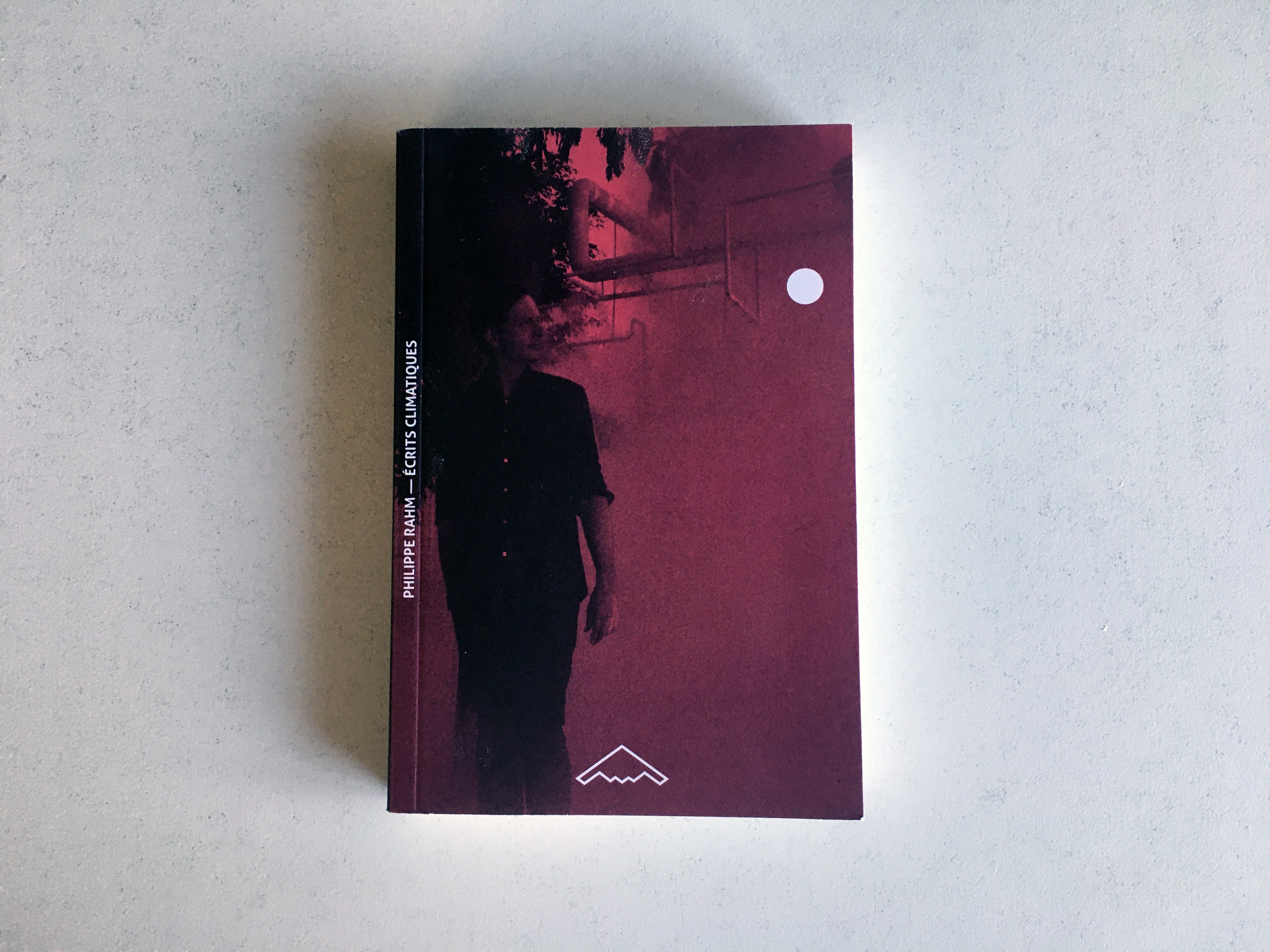
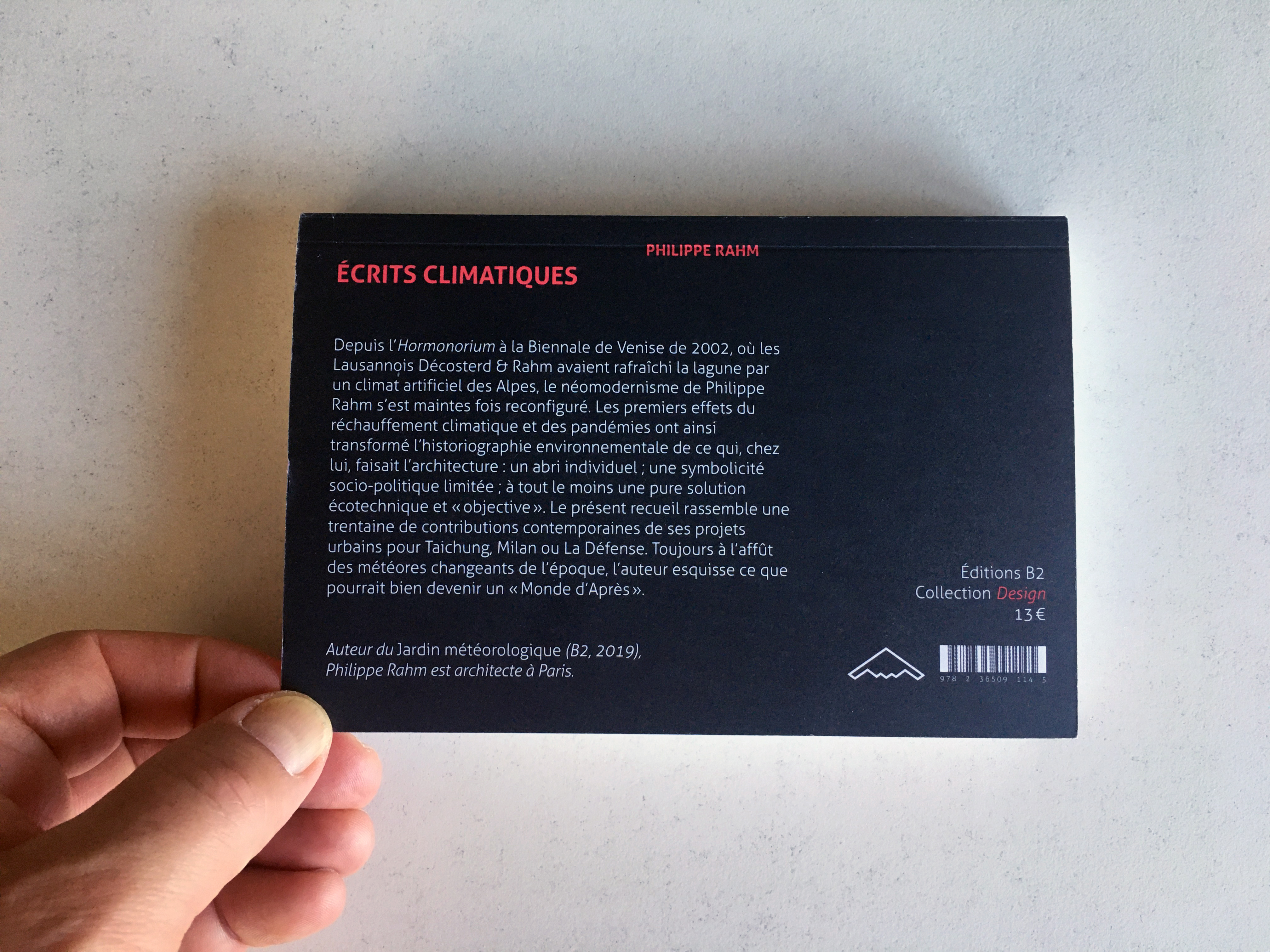
"Essais climatiques" by P. Rahm, Ed. B2 (Paris, 2020) | #2ndaugmentation #essay #AR #VR
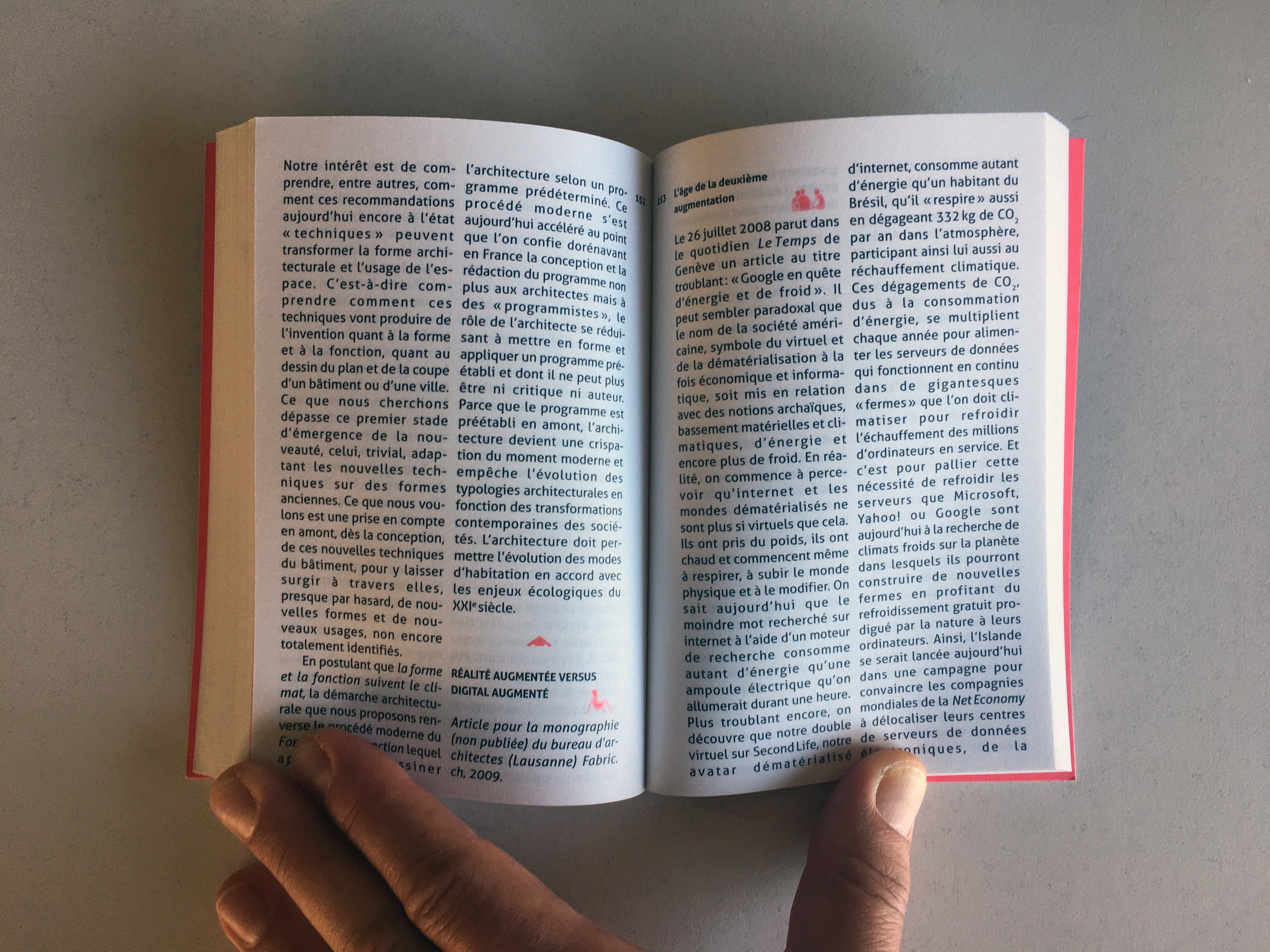
Note: it is with great pleasure and interest that I read recently one of Philippe Rahm's last publication, "Essais climatiques" (published in French, by Editions B2), which consists in fact in a collection of articles published in the past 10+ years in various magazines, journals and exhibition catalogs. It is certainly less developed than the even more recent book, "L'histoire naturelle de l'architecture" (ed. Pavillon de l'Arsenal, 2020), but nonetheless an excellent and brief introduction to his thinking and work.
Philippe Rahm's call for the "return" of an "objective architecture", climatic and free of narrative issues, is of great interest. Especially at a time when we need to reduce our CO2 emissions and will need to reach energy objectives of slenderness. The historical reading of the postmodern era (in architecture), in relation to oil, vaccines and antibiotics is also really valuable in this context, when we are all looking to move forward this time in cultural history.
I also had the good surprise, and joy, to see the text "L'âge de la deuxième augmentation" finally published! It was written by Philippe back in 2009 probably, about the works of fabric | ch at the time, when we were preparing a publication that finally never came out... Though this text will also be part of a monographic publication that is expected to be finalized and self-published in 2022.
Via fabric | ch
-----



Wednesday, August 25. 2021
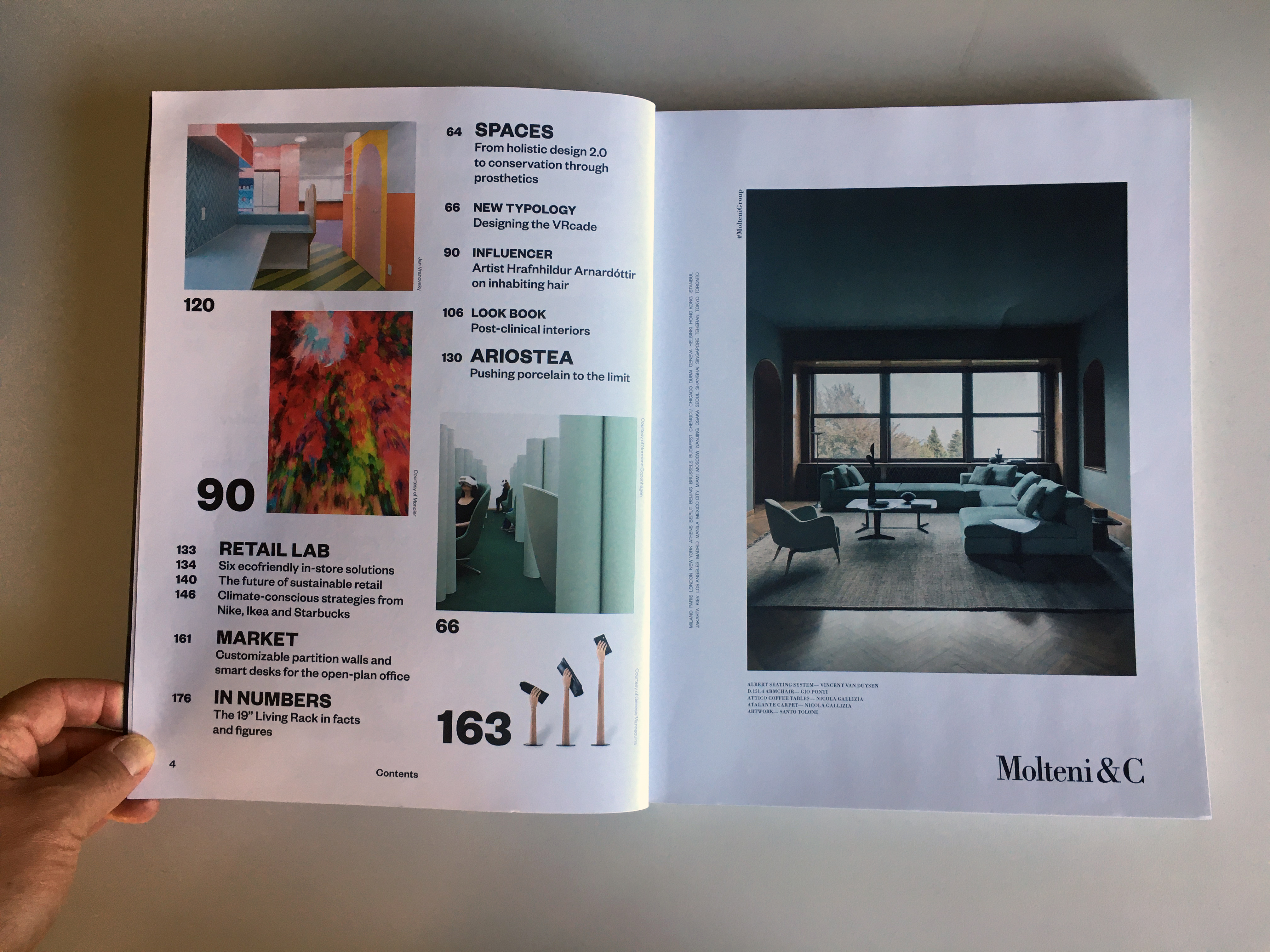
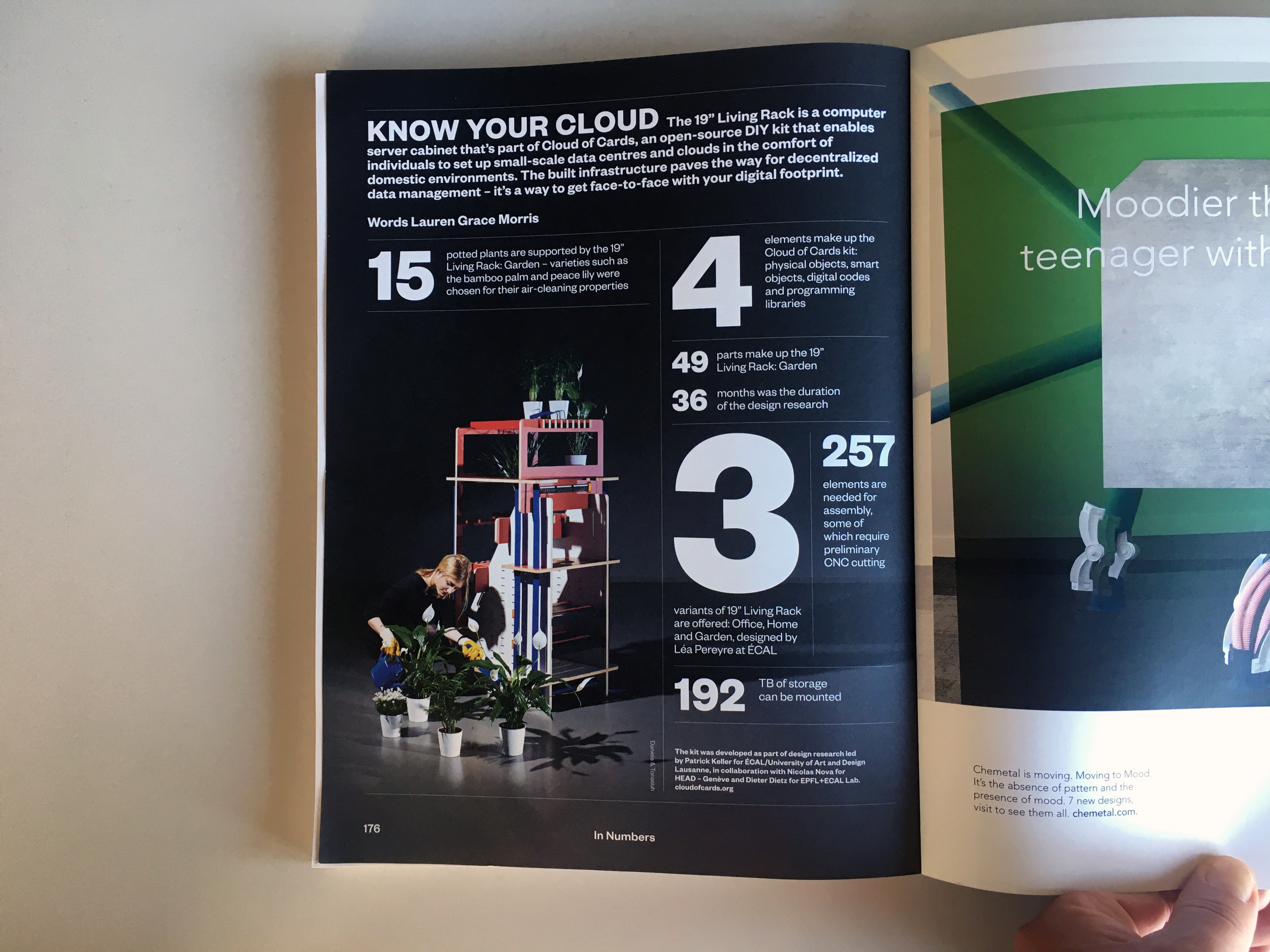
Cloud of Cards – A design research publication, ed. ECAL, Hemisphere & Frame magazines (2019 – 2020) | #design #research #datacenters #infrastructure
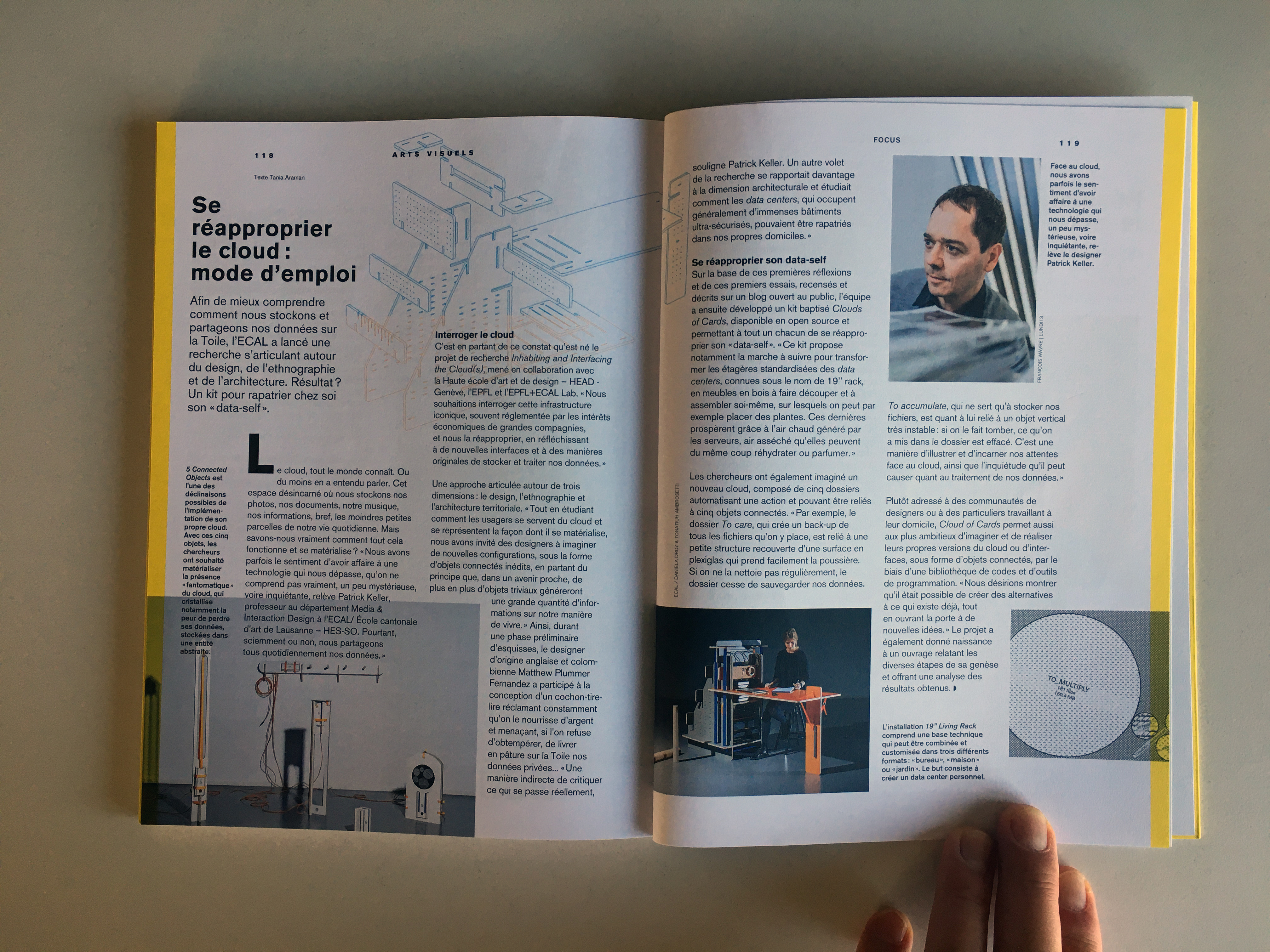
Note: still catching up on past publications, these ones (Cloud of Cards and related) are "pre-covid times", in Print-on-Demand and related to a the design research on data and the cloud led jointly between ECAL / University of Art & Design, Lausanne and HEAD - Genève (with Prof. Nicolas Nova). It concerns mainly new propositions for hosting infrastructure of data, envisioned as "personal", domestic (decentralized) and small scale alternatives. Many "recipes" were published to describe how to creatively hold you data yourself.
It can also be accessed through my academia account, along with it's accompanying publication by NIcolas Nova: Cloud of Practices.
-----
By Patrick Keller
--
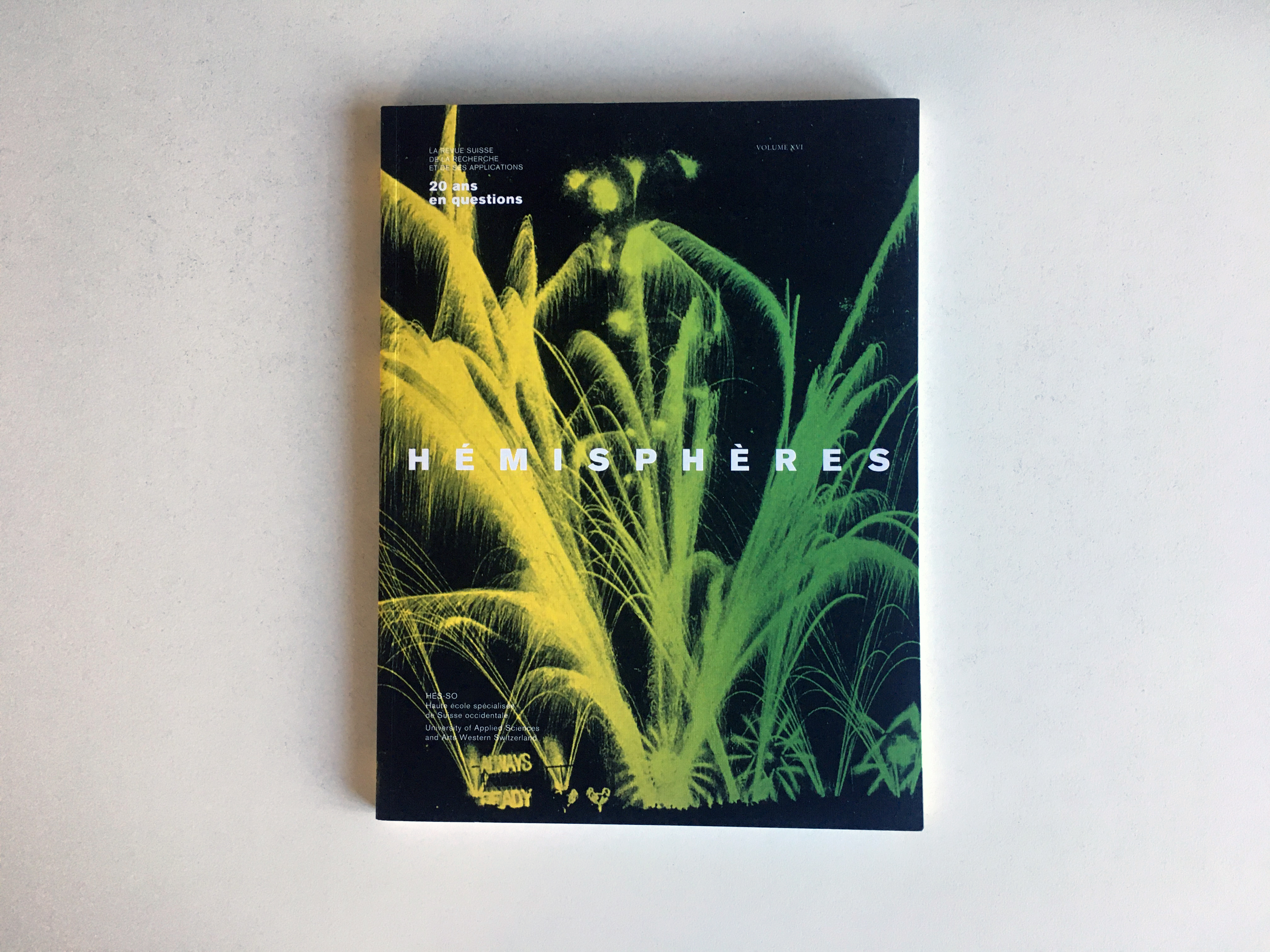
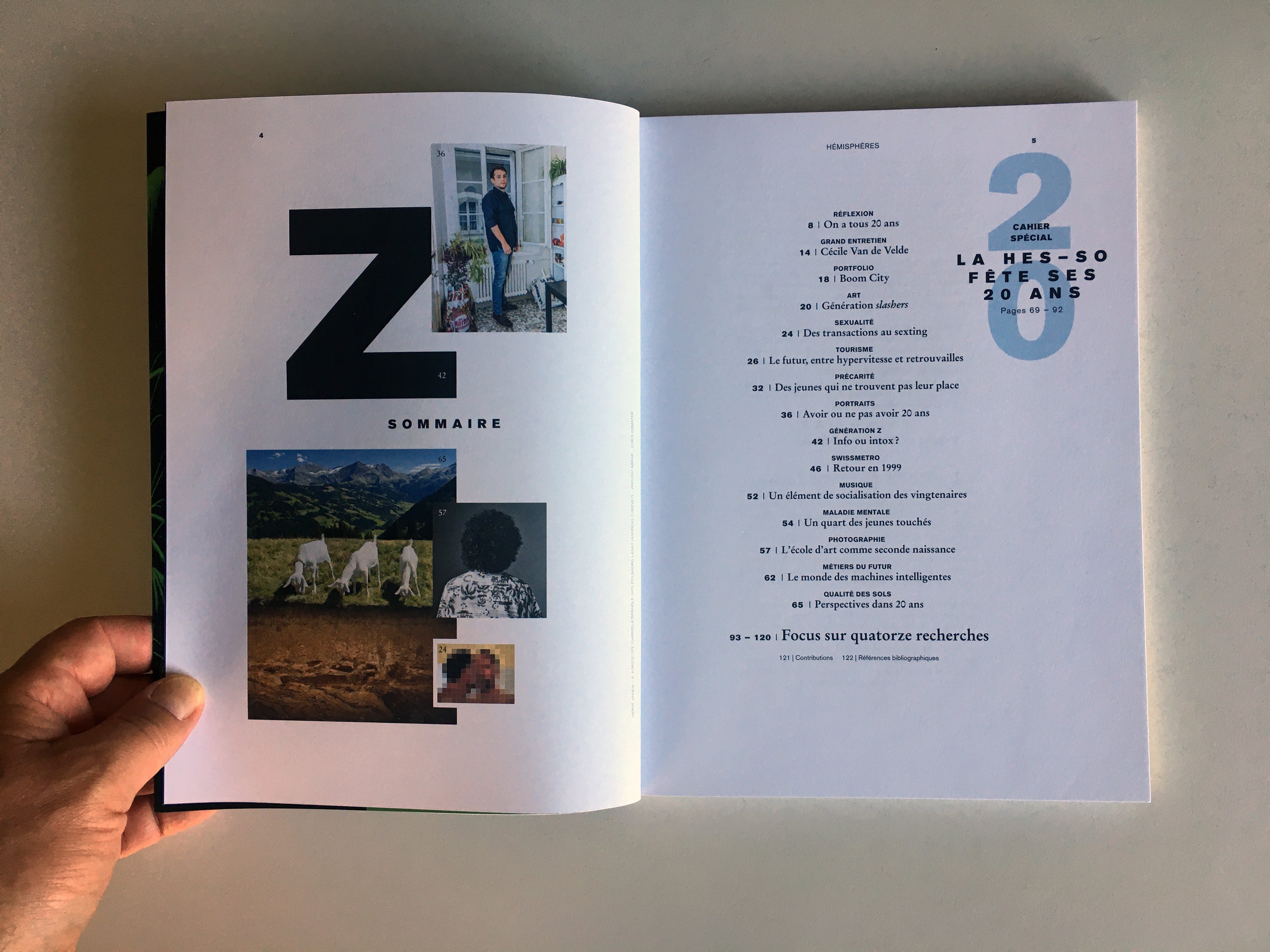
The same research was shortly presented in the Swiss journal Hemispheres, as well as in the international magazine Frame:
--
.jpg)
Tuesday, May 29. 2018
A Big Leap for an Artificial Leaf | #artificial #leaf #material
Thursday, September 21. 2017
Timothy Morton, “the philosopher prophet of the Anthropocene” | #hyperobjects #climate
Note: Timothy Morton introducing his concept of "hyperobjects" and "object-oriented philosophy".
Via e-flux via The Guardian (June 17)
-----
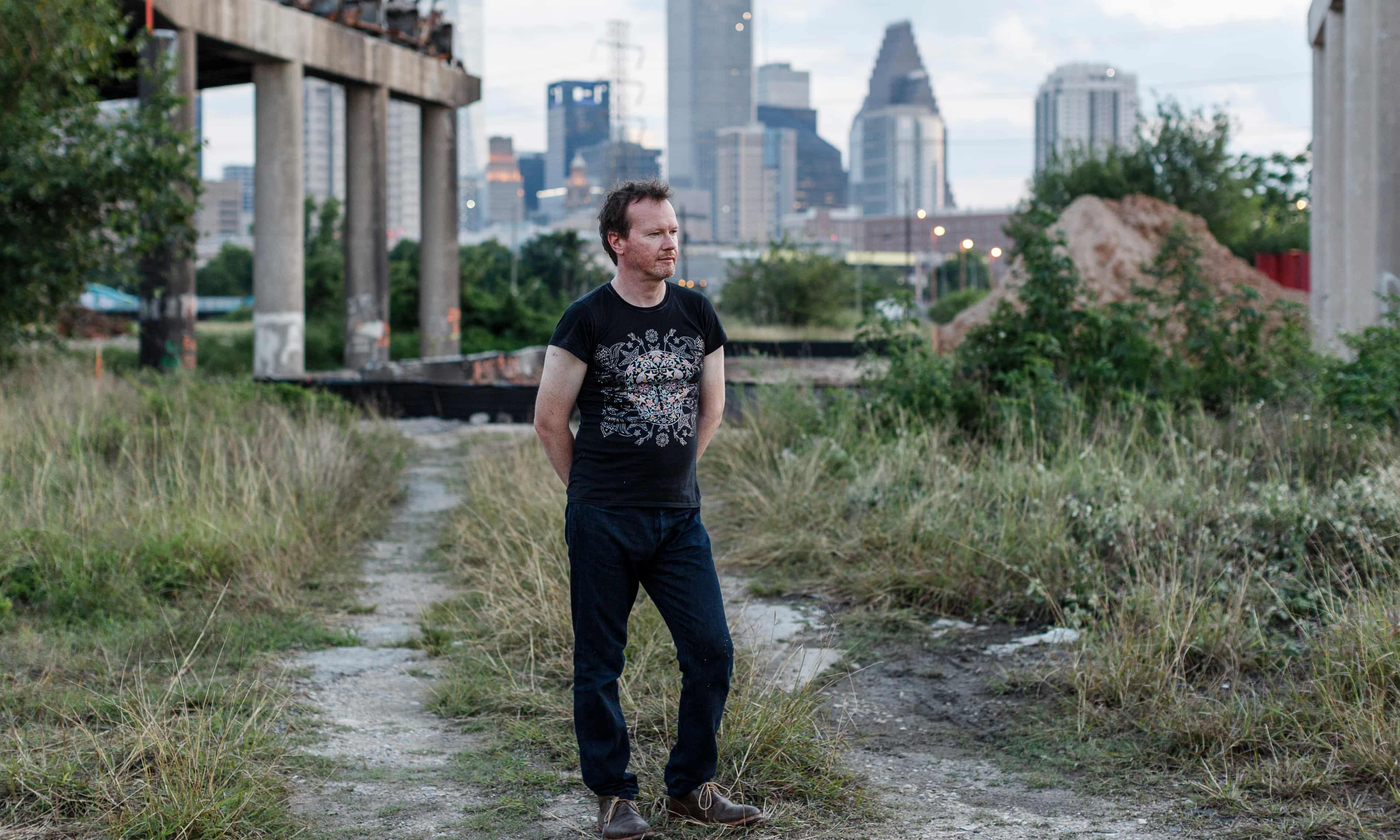
Image of Thimothy Morton.
The Guardian has a longread on the US-based British philosopher Timothy Morton, whose work combines object-oriented ontology and ecological concerns. The author of the piece, Alex Blasdel, discusses how Morton's ideas have spread far and wide—from the Serpentine Gallery to Newsweek magazine—and how his seemingly bleak outlook has a silver lining. Here's an excerpt:
Morton means not only that irreversible global warming is under way, but also something more wide-reaching. “We Mesopotamians” – as he calls the past 400 or so generations of humans living in agricultural and industrial societies – thought that we were simply manipulating other entities (by farming and engineering, and so on) in a vacuum, as if we were lab technicians and they were in some kind of giant petri dish called “nature” or “the environment”. In the Anthropocene, Morton says, we must wake up to the fact that we never stood apart from or controlled the non-human things on the planet, but have always been thoroughly bound up with them. We can’t even burn, throw or flush things away without them coming back to us in some form, such as harmful pollution. Our most cherished ideas about nature and the environment – that they are separate from us, and relatively stable – have been destroyed.
Morton likens this realisation to detective stories in which the hunter realises he is hunting himself (his favourite examples are Blade Runner and Oedipus Rex). “Not all of us are prepared to feel sufficiently creeped out” by this epiphany, he says. But there’s another twist: even though humans have caused the Anthropocene, we cannot control it. “Oh, my God!” Morton exclaimed to me in mock horror at one point. “My attempt to escape the web of fate was the web of fate.”
The chief reason that we are waking up to our entanglement with the world we have been destroying, Morton says, is our encounter with the reality of hyperobjects – the term he coined to describe things such as ecosystems and black holes, which are “massively distributed in time and space” compared to individual humans. Hyperobjects might not seem to be objects in the way that, say, billiard balls are, but they are equally real, and we are now bumping up against them consciously for the first time. Global warming might have first appeared to us as a bit of funny local weather, then as a series of independent manifestations (an unusually torrential flood here, a deadly heatwave there), but now we see it as a unified phenomenon, of which extreme weather events and the disruption of the old seasons are only elements.
It is through hyperobjects that we initially confront the Anthropocene, Morton argues. One of his most influential books, itself titled Hyperobjects, examines the experience of being caught up in – indeed, being an intimate part of – these entities, which are too big to wrap our heads around, and far too big to control. We can experience hyperobjects such as climate in their local manifestations, or through data produced by scientific measurements, but their scale and the fact that we are trapped inside them means that we can never fully know them. Because of such phenomena, we are living in a time of quite literally unthinkable change.
Related Links:
Saturday, July 15. 2017
All 7 fabric | rblg categories! | #fabric|ch #Summer #farniente #reading #digging
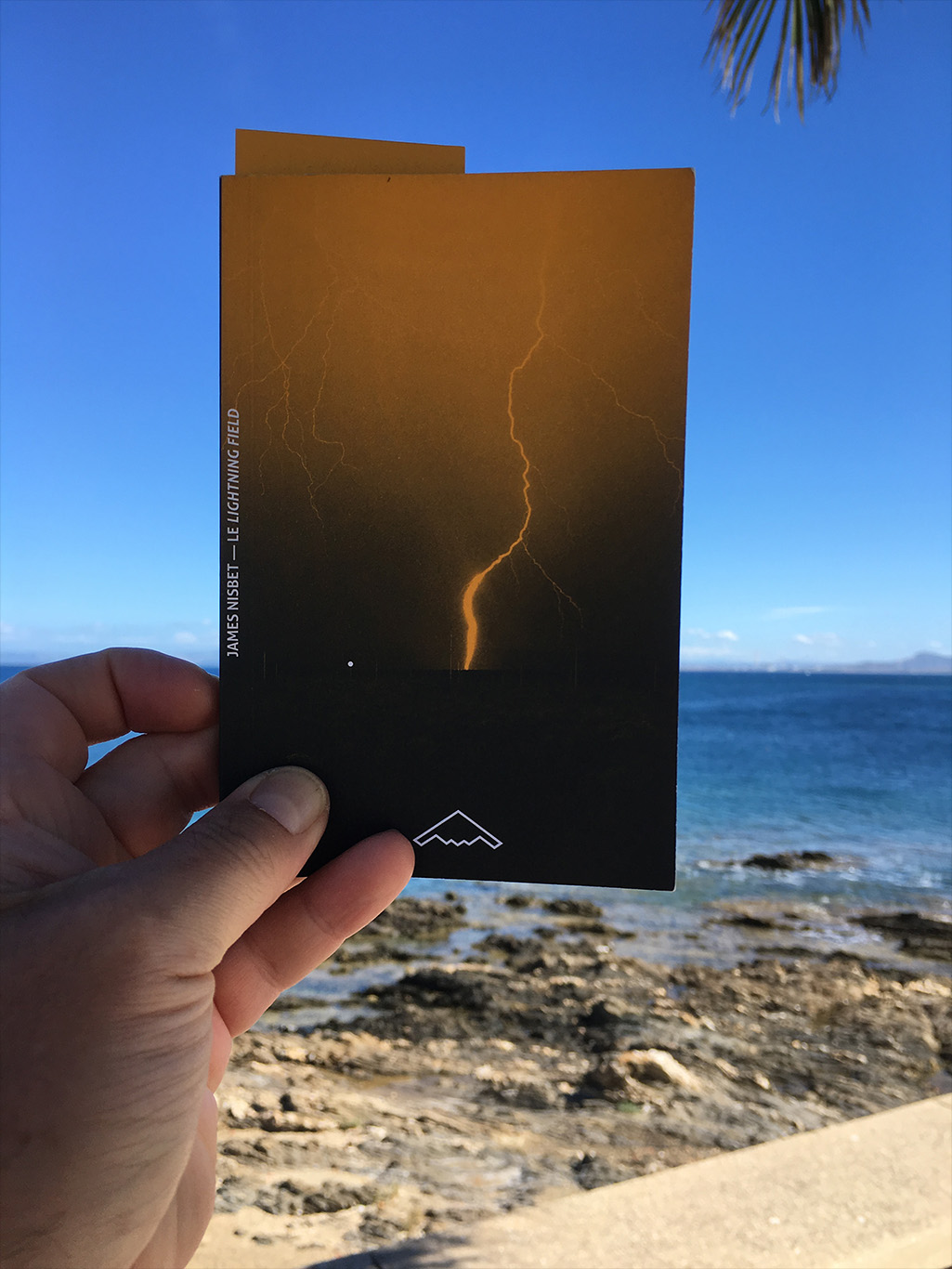
Note: Summer is coming again, and like each year now, it's time to digg into unread books or articles! "Luckily" and due to other activities, we didn't publish much since last Summer. So it won't be too much of a hassle to catch back. Nonetheless, there are almost 2000 entries now on | rblg...
So, I hope you'll enjoy your Summer readings (on the beach... or on the rocks)! On my side, I'll certainly try to do the same and will be back posting in September.
By fabric | ch
-----
As we lack a decent search engine on this blog and as we don't use a "tag cloud" either... but because Summer is certainly one of the best period of the year to spend time reading and digging into past content and topics:
HERE ARE ALL THE CURRENT UPDATED CATEGORIES TO NAVIGATE ON | RBLG BLOG:
(to be seen below if you're navigating on the blog's html pages or here for rss readers)
Monday, June 19. 2017
Sucking carbon from the air | #device #environment
Note: the following post has been widely reblogged recently. The reason why I did wait a bit before archiving it in | rblg.
It interests me as a king of "device" that can handle environmental parameters. In this sense, it has undoubtedly architectural characteristics and could extend itself into an "architectural device". Think here for exemple about the ongoing Jade Eco Park by Philippe Rahm architectes, filled with devices in the competition proposal. Or to move less further about our own work, with small "environmental devices" like Perpetual (Tropical) SUNSHINE, Satellite Daylight, etc. Architecture as device like Public Platform of Future Past, I-Weather as Deep Space Public Lighting or Heterochrony, or even data tools like Deterritorialized Living.
As a matter of fact, there is a "devices" tag in this blog for this precise reason, to give references for trhese king of architectures that trigger modification in the environment.
Via Science
-----
In Switzerland, a giant new machine is sucking carbon directly from the air


The world's first commercial plant for capturing carbon dioxide directly from the air opened yesterday, refueling a debate about whether the technology can truly play a significant role in removing greenhouse gases already in the atmosphere. The Climeworks AG facility near Zurich becomes the first ever to capture CO2 at industrial scale from air and sell it directly to a buyer.
Developers say the plant will capture about 900 tons of CO2 annually — or the approximate level released from 200 cars — and pipe the gas to help grow vegetables.
While the amount of CO2 is a small fraction of what firms and climate advocates hope to trap at large fossil fuel plants, Climeworks says its venture is a first step in their goal to capture 1 percent of the world's global CO2 emissions with similar technology. To do so, there would need to be about 250,000 similar plants, the company says.

"Highly scalable negative emission technologies are crucial if we are to stay below the 2-degree target [for global temperature rise] of the international community," said Christoph Gebald, co-founder and managing director of Climeworks. The plant sits on top of a waste heat recovery facility that powers the process. Fans push air through a filter system that collects CO2. When the filter is saturated, CO2 is separated at temperatures above 100 degrees Celsius.
The gas is then sent through an underground pipeline to a greenhouse operated by Gebrüder Meier Primanatura AG to help grow vegetables, like tomatoes and cucumbers.
Gebald and Climeworks co-founder Jan Wurzbacher said the CO2 could have a variety of other uses, such as carbonating beverages. They established Climeworks in 2009 after working on air capture during postgraduate studies in Zurich.
The new plant is intended to run as a three-year demonstration project, they said. In the next year, the company said it plans to launch additional commercial ventures, including some that would bury gas underground to achieve negative emissions.
"With the energy and economic data from the plant, we can make reliable calculations for other, larger projects," said Wurzbacher.
Note: with interesting critical comments below concerning the real sustainable effect by Howard Herzog (MIT).
'Sideshow'
There are many critics of air capture technology who say it would be much cheaper to perfect carbon capture directly at fossil fuel plants and keep CO2 out of the air in the first place. Among the skeptics are Massachusetts Institute of Technology senior research engineer Howard Herzog, who called it a "sideshow" during a Washington event earlier this year. He estimated that total system costs for air capture could be as much as $1,000 per ton of CO2, or about 10 times the cost of carbon removal at a fossil fuel plant.
"At that price, it is ridiculous to think about right now. We have so many other ways to do it that are so much cheaper," Herzog said. He did not comment specifically on Climeworks but noted that the cost for air capture is high partly because CO2 is diffuse in the air, while it is more concentrated in the stream from a fossil fuel plant. Climeworks did not immediately release detailed information on its costs but said in a statement that the Swiss Federal Office of Energy would assist in financing. The European Union also provided funding.
In 2015, the National Academies of Sciences, Engineering and Medicine released a report saying climate intervention technologies like air capture were not a substitute for reducing emissions. Last year, two European scientists wrote in the journal Science that air capture and other "negative emissions" technologies are an "unjust gamble," distracting the world from viable climate solutions (Greenwire, Oct. 14, 2016).
Engineers have been toying with the technology for years, and many say it is a needed option to keep temperatures to controllable levels. It's just a matter of lowering costs, supporters say. More than a decade ago, entrepreneur Richard Branson launched the Virgin Earth Challenge and offered $25 million to the builder of a viable air capture design.
Climeworks was a finalist in that competition, as were companies like Carbon Engineering, which is backed by Microsoft Corp. co-founder Bill Gates and is testing air capture at a pilot plant in British Columbia.
-----
...
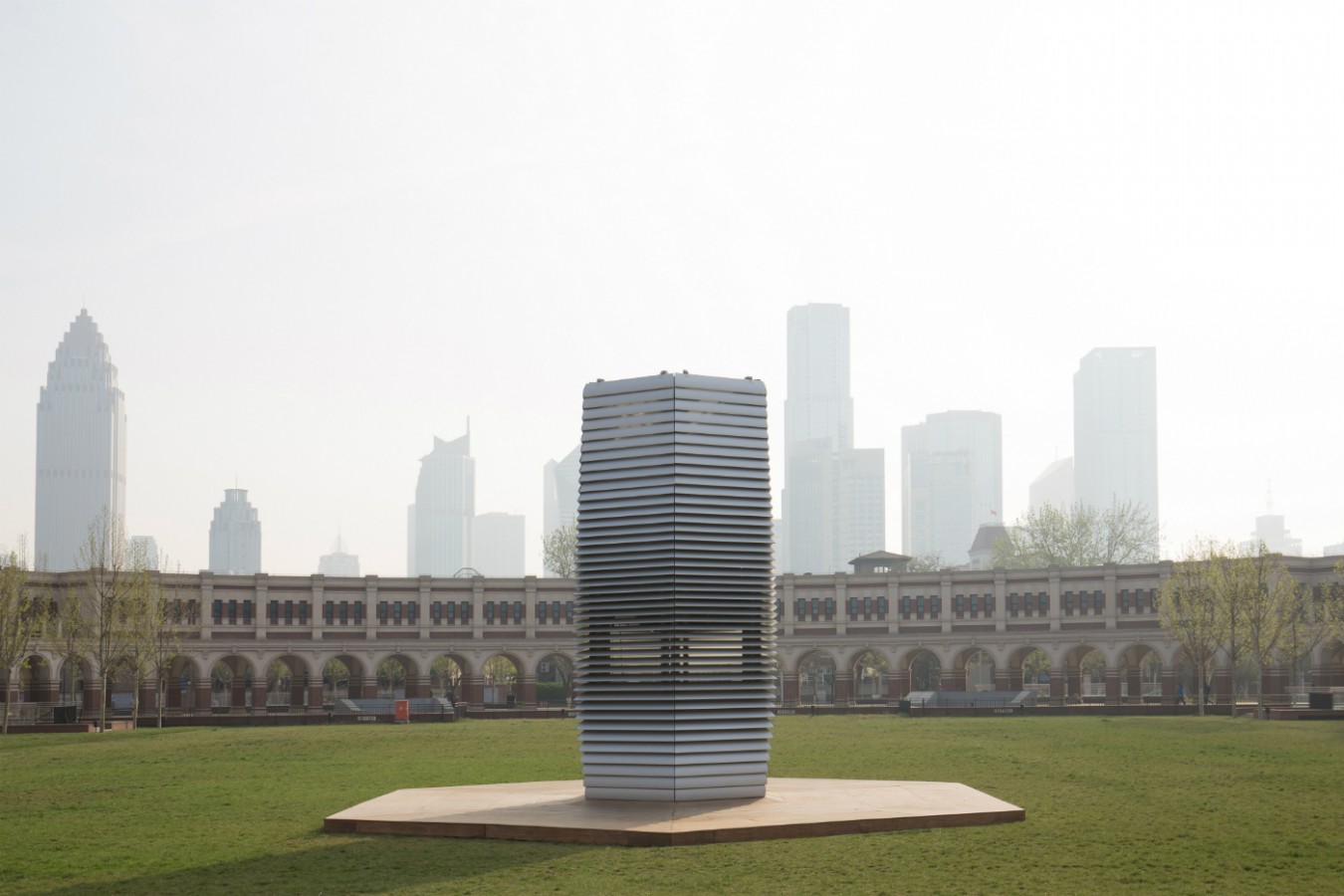
And let's also mention while we are here the similar device ("smog removal" for China cities) made by Studio Roosegaarde, Smog Free Project.
Related Links:
Friday, May 12. 2017
The World’s Largest Artificial Sun Could Help Generate Clean Fuel | #conditioning #energy
Note: an amazing climatic device.
For clean energy experimentation here. Would have loved to have that kind of devices (and budget ;)) when we put in place Perpetual Tropical Sunshine !
-----

Don’t lean against the light switch at the Synlight building in Jülich, Germany—if you do, things might get rather hotter than you can cope with.
The new facility is home to what researchers at the German Aerospace Center, known as DLR, have called the “world's largest artificial Sun.” Across a single wall in the building sit a series of Xenon short-arc lamps—the kind used in large cinemas to project movies. But in a huge cinema there would be one lamp. Here, spread across a surface 45 feet high and 52 feet wide, there are 140.
When all those lamps are switched on and focused on the same 20 by 20 centimeter spot, they create light that’s 10,000 times more intense than solar radiation anywhere on Earth. At the center, temperatures reach over 3,000 °C.
The setup is being used to mimic large concentrated solar power plants, which use a field full of adjustable mirrors to focus sunlight into a small incredibly hot area, where it melts salt that is then used to create steam and generate electricity.
Researchers at DLR, though, think that a similar mirror setup could be used to power a high-energy reaction where hydrogen is extracted from water vapor. In theory, that process could supply a constant and affordable source of liquid hydrogen fuel—something that clean energy researchers continue to lust after, because it creates no carbon emissions when burned.
Trouble is, folks at DLR don’t quite yet know how to make it happen. So they built a laboratory rig to allow them to tinker with the process using artificial light instead of reflected sunlight—a setup which, as Gizmodo notes, uses the equivalent of a household's entire year of electricity during just four hours of operation, somewhat belying its green aspirations.
Of course, it’s far from the first project to aim to create hydrogen fuel cheaply: artificial photosynthesis, seawater electrolysis, biomass reactions, and many other projects have all tried—and so far failed—to make it a cost-effective exercise. So now it’s over to the Sun. Or a fake one, for now.
(Read more: DLR, Gizmodo, “World’s Largest Solar Thermal Power Plant Delivers Power for the First Time,” “A Big Leap for an Artificial Leaf,” "A New Source of Hydrogen for Fuel-Cell Vehicles")
Monday, November 23. 2015
The Information Age Is Over. Welcome to the Infrastructure Age | #infrastructure
Note: this article was published a while ago and was rebloged here and there already. I kept it in my pile of "interesting articles to read later when I'll have time" for a long time as well therefore. But it make sense to post it in conjunction with the previous one about Norman Foster and by extension with the otehr one concerning the Chicago Biennial.
It is also sometimes interesting to read posts with delay, when the hype and buzzwords are gone. Written in the aftermath of the Tesla annoncement about its home battery (Powerwall), the article was all about energy revolution. But since then, what? We're definitely looking forward...
Via Gizmodo
-----

Photo: SpaceX
Nobody wants to say it outright, but the Apple Watch sucks. So do most smartwatches. Every time I use my beautiful Moto 360, its lack of functionality makes me despair. But the problem isn’t our gadgets. It’s that the future of consumer tech isn’t going to come from information devices. It’s going to come from infrastructure.
That’s why Elon Musk’s announcements of the new Tesla battery line last night were more revolutionary than Apple Watch and more exciting than Microsoft’s admittedly nifty HoloLens. Information tech isn’t dead — it has just matured to the point where all we’ll get are better iterations of the same thing. Better cameras and apps for our phones. VR that actually works. But these are not revolutionary gadgets. They are just realizations of dreams that began in the 1980s, when the information revolution transformed the consumer electronics market.
But now we’re entering the age of infrastructure gadgets. Thanks to devices like Tesla’s household battery, Powerwall, electrical grid technology that was once hidden behind massive barbed wire fences, owned by municipalities and counties, is now seeping slowly into our homes. And this isn’t just about alternative energy like solar. It’s about how we conceive of what technology is. It’s about what kinds of gadgets we’ll be buying for ourselves in 20 years.
It’s about how the kids of tomorrow won’t freak out over terabytes of storage. They’ll freak out over kilowatt-hours.
Beyond transforming our relationship to energy, though, the infrastructure age is about where we expect computers to live. The so-called internet of things is a big part of this. Our computers aren’t living in isolated boxes on our desktops, and they aren’t going to be inside our phones either. The apps in your phone won’t always suck you into virtual worlds, where you can escape to build treehouses and tunnels in Minecraft. Instead, they will control your home, your transit, and even your body.
Once you accept that the thing our ancestors called the information superhighway will actually be controlling cars on real-life highways, you start to appreciate the sea change we’re witnessing. The internet isn’t that thing in there, inside your little glowing box. It’s in your washing machine, kitchen appliances, pet feeder, your internal organs, your car, your streets, the very walls of your house. You use your wearable to interface with the world out there.
It makes perfect sense to me that a company like Tesla could be at the heart of the new infrastructure age. Musk’s focus has always been relentlessly about remolding the physical world, changing the way we power our transit — and, with SpaceX, where future generations might live beyond Earth. The opposite of cyberspace is, well, physical space. And that’s where Tesla is taking us.
But in the infrastructure age, physical space has been irrevocably transformed by cyberspace. Now we use computers to experience the world in ways we never could before computer networks and data analysis, using distributed sensor devices over fault lines to give people early warnings about earthquakes that are rippling beneath the ground — and using satellites like NASA’s SMAP to predict droughts years before they happen.
Of course, there are the inevitable dangers that come with infusing physical space with all the vulnerabilities of cyberspace. People will hack your house; they’ll inject malicious code into delivery drones; stealing your phone might become the same thing as stealing your car. We’ll still be mining unsustainably to support our glorious batteries and photovoltaics and smart dance clubs.
But we will also benefit enormously from personalizing the energy grid, creating a battery-powered hearth for every home. Plus the infrastructure age leads directly into outer space, to tackle big problems of human survival, and diverts our impoverished attention spans from gazing neurotically at the social scene unfolding in tiny glowing rectangles on our wrists.
The information age brought us together, for better or worse. It allowed us to understand our environment and our bodies in ways we never could before. But the infrastructure age is what will prevent us from killing ourselves as we grow up into a truly global civilization. That is far more important, and exciting, than any gold watch could ever be.
Norman Foster: "I have no power as an architect, none whatsoever" | #energy #sustainability
Note: Meanwhile, on the "big architects" end of the spectrum... Where I enjoyed to read the sentence " Foster is delighted that Britain now has an infrastructure commission, chaired by Andrew Adonis, which he says gives the opportunity to plan in 30-year cycles and remove the politics from infrastructure."
Via The Guardian
-----
By Rowan Moore
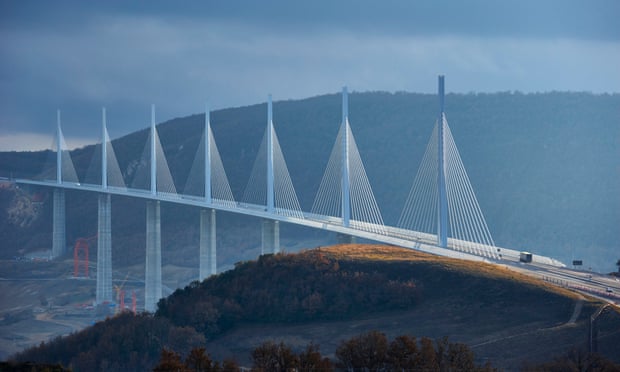
Norman Foster’s Millau viaduct in France, which has ‘cut out five-hour traffic jams’. Photograph: Michael Reinhard/Corbis
“Do you believe in infrastructure?” asks Norman Foster, with challenge in his voice. He does. Infrastructure, he says, is about “investing not to solve the problems of today but to anticipate the issues of future generations”. He cites his hero, Joseph Bazalgette, who, in solving Victorian London’s sewage problems, “thought holistically to integrate drains with below-ground public transportation and above-ground civic virtue”.
Foster is delighted that Britain now has an infrastructure commission, chaired by Andrew Adonis, which he says gives the opportunity to plan in 30-year cycles and remove the politics from infrastructure. He will expound these views this week at the Urban Age 10th anniversary Global Debates, Urban Age being the LSE’s Deutsche Bank-sponsored series of conferences in which high-powered and highly powerful people travel the world exchanging views on city building.
Statistics spin out of him about sustainability. “If you take the carbon footprint of London, that’s one seventh of that of Atlanta, so there’s a relationship between density and emissions. The whole climate change issue, which many would argue is about the survival of the species, comes down to urbanism.
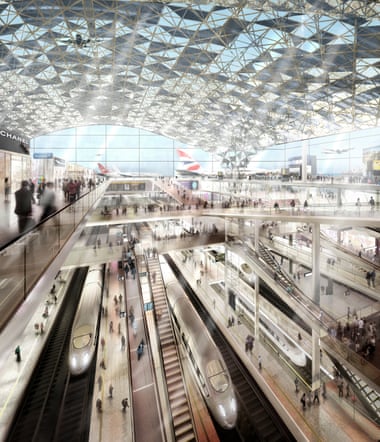
Foster’s proposed design for the Thames Hub airport. Photograph: dbox/Foster & Partners
“When I was in Harvard recently, I said that each of us in this room, the energy that we consume in one year would equal the energy consumed by two Japanese, 13 Chinese, 31 Indians and 370 Ethiopians. So you start to take the relationship between energy consumed by a society and infant mortality, life expectancy, sexual freedom, academic freedom, freedom from violence. So those societies that consume more energy have more of those desirable qualities, so all those issues are inseparable from the nature of the infrastructure.” The connections between these points are not always clear, but the argument seems to be that better use of energy through better infrastructure will enable more people to live better.
Of his own work, Foster says that many of the most important projects are not what are normally considered buildings, but things such as the Millennium Bridge, the pedestrianisation of Trafalgar Square in London, the Millau viaduct in southern France and the remaking of the Marseille waterfront. More statistics: “Millau cut out five-hour traffic jams, which meant that the saving in CO2 from the 10% of traffic that is heavy good vehicles had an effect equivalent to a forest of 40,000 trees.”
He has campaigned vigorously for the Thames Hub, a new airport in the Thames estuary with an associated network of huge ambition: an orbital railway around London, a flood barrier, tidal energy generation. He is profoundly disappointed that his plan is likely to be rejected in favour of an expanded Heathrow: “The reality of a hub airport is that you can never ever do that at Heathrow. If you do that at Heathrow now you can absolutely guarantee that we will still be pedalling furiously to stand still. You can never accommodate long-term needs there.”
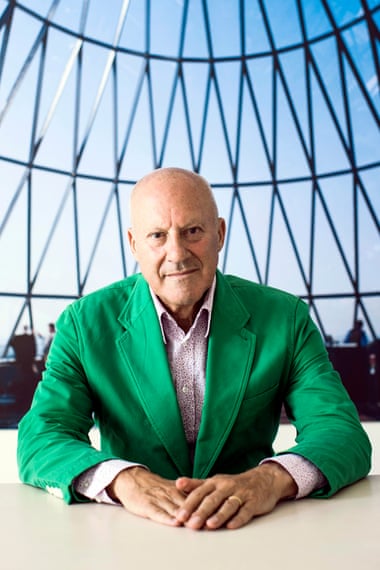
Norman Foster: ‘The whole climate change issue comes down to urbanism.’ Photograph: Manolo Yllera
But given what he just said about sustainability, should we be expanding airports at all? “Do you eat meat?” he asks scathingly. “You’re probably going to have your hamburger in spite of the fact that you’re going to make a much greater impact than any travel.” Air travel, he says, “compares well statistically with the amount of methane produced by cows and the amount of energy and water needed to produce a hamburger”.
“The reality is that all society is embedded in mobility. You’re going to take that flight. You’d be better to take the flight out of an airport that is driven by tidal power and which uses natural light, and which anticipates the day when air travel will be more sustainable.” He talks of solar-powered flight and planes made of lightweight composite materials.
It could also be asked what is the role of the architect in what is generally the province of engineers, planners and politicians. Around us is evidence of his practice’s apparent potency – towers in China and India, a model of the giant circle, one mile in circumference, which will be Apple’s new headquarters, images of a concept for habitats on Mars – but Foster says: “I have no power as an architect, none whatsoever. I can’t even go on to a building site and tell people what to do.” Advocacy, he says, is the only power an architect ever has.
To write about Foster presents a particular challenge to an architecture critic. The scale of his achievement is immense and he has created many outstanding buildings. A wise man recently pointed out that if Foster had only built his 20 or 30 best works, critical admiration would be virtually unqualified. It is largely because his practice has designed many more projects than this that he sometimes gets a bad press. But would it really have been better if he had confined himself to a boutique practice in order to preserve his architectural purity?
It can seem peevish and petty to question his work, but it is not beyond criticism. In particular, it can become weaker the more it makes contact with realities outside itself. If you look upwards in the Great Court he designed in the British Museum, you will see an impressive structure of steel and glass, but at your own level it becomes bland and sometimes clumsy. The Gherkin is a memorable presence on the London skyline, but awkward at pavement level. The Millennium Bridge, even with the modifications necessary to stop it wobbling, is confident and elegant except at its landing, where the overhang of its cantilever creates spaces that are plain nasty.
In the context of infrastructure, the question is also whether it adapts to the political, social and physical conditions that surround it. In answer to Foster’s question, yes, I do believe in infrastructure. Or, rather, I’d compare it to water: essential to existence, life-enhancing and sometimes beautiful, but with the power to damage and destroy if misused.
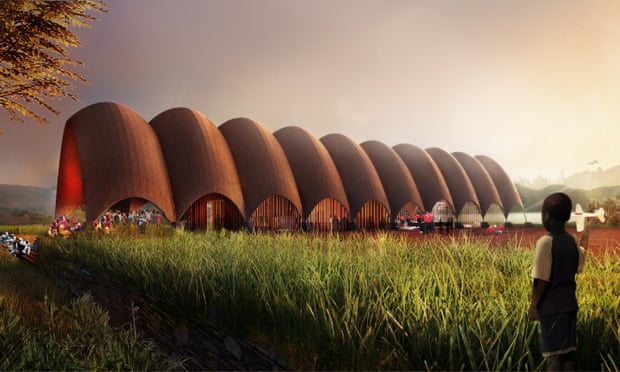
Design for the proposed drone-port project in Rwanda. Photograph: Foster & Partners
All this makes a new drone-port project in Rwanda one of Foster and Partners’ most intriguing. Conceived with Jonathan Ledgard, the director of Afrotech, who describes himself as a thinker on the future of Africa, it is a plan to create a network of cargo drones that can bring medical supplies and blood, plus spare parts, electronics and e-commerce, to hard-to-access parts of Africa. The drones have ports – shelters where they can safely land and unload, but which also serve as “a health clinic, a digital fabrication shop, a post and courier room, and an e-commerce trading hub, allowing it to become part of local community life”. Because of their inaccessible locations, they have to be built using materials close to hand, so techniques have been developed for efficiently making local earth into bricks and stones into foundations.
It is impossible at this point and at this distance to know if the drone-port project will achieve what it hopes, but its ambition to adapt to local conditions seems absolutely to the point. The interesting question is then how to bring the same thinking to infrastructure in a developed country, such as Britain. What is the right infrastructure for the society and culture of this country, at this point? Has it changed since Foster’s Victorian heroes, such as Bazalgette, did their work? Can we import the large-scale thinking of modern China and, if so, with what modification? These are good questions for an architect to address.
Urban Age Global Debates run until 3 December; lsecities.net/ua
Related Links:
fabric | rblg
This blog is the survey website of fabric | ch - studio for architecture, interaction and research.
We curate and reblog articles, researches, writings, exhibitions and projects that we notice and find interesting during our everyday practice and readings.
Most articles concern the intertwined fields of architecture, territory, art, interaction design, thinking and science. From time to time, we also publish documentation about our own work and research, immersed among these related resources and inspirations.
This website is used by fabric | ch as archive, references and resources. It is shared with all those interested in the same topics as we are, in the hope that they will also find valuable references and content in it.
Quicksearch
Categories
Calendar

|
July '25 | |||||
| Mon | Tue | Wed | Thu | Fri | Sat | Sun |
| 1 | 2 | 3 | 4 | 5 | 6 | |
| 7 | 8 | 9 | 10 | 11 | 12 | 13 |
| 14 | 15 | 16 | 17 | 18 | 19 | 20 |
| 21 | 22 | 23 | 24 | 25 | 26 | 27 |
| 28 | 29 | 30 | 31 | |||
