Wednesday, January 26. 2022
Platform of Future-Past (2022) at HOW Art Museum in Shanghai | #data #monitering #installation
Note:
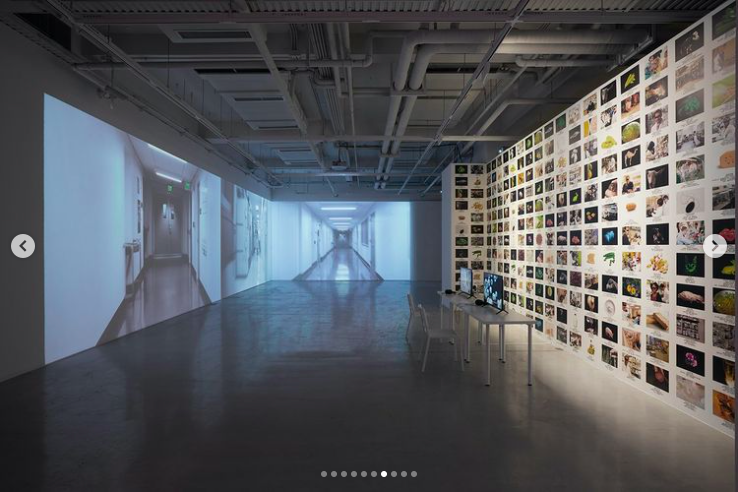
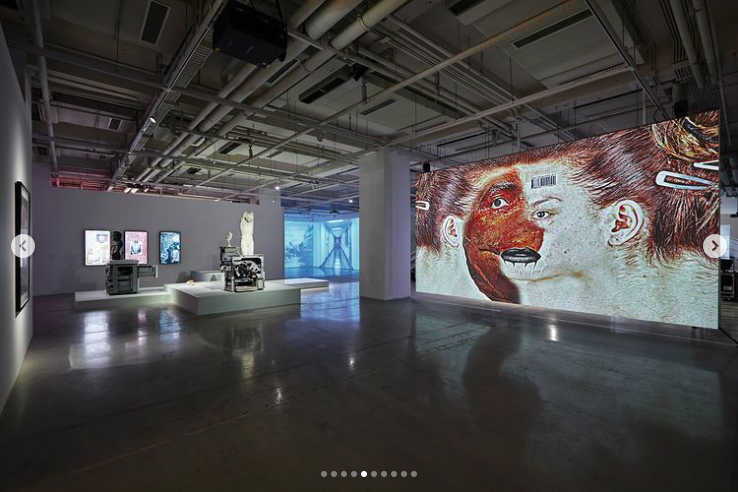
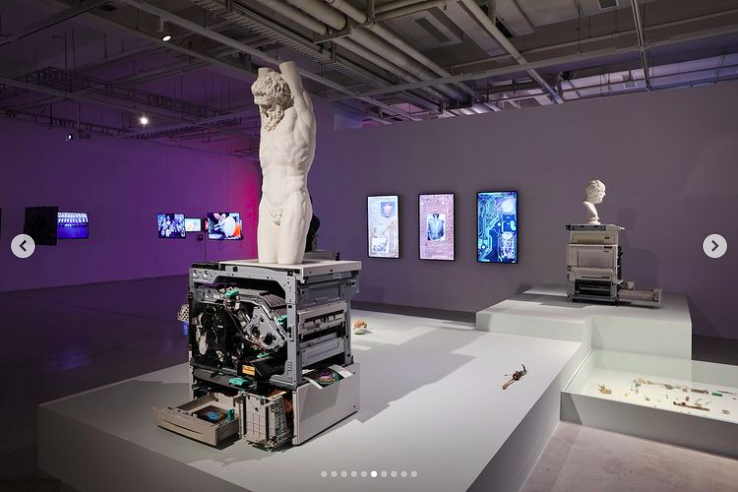
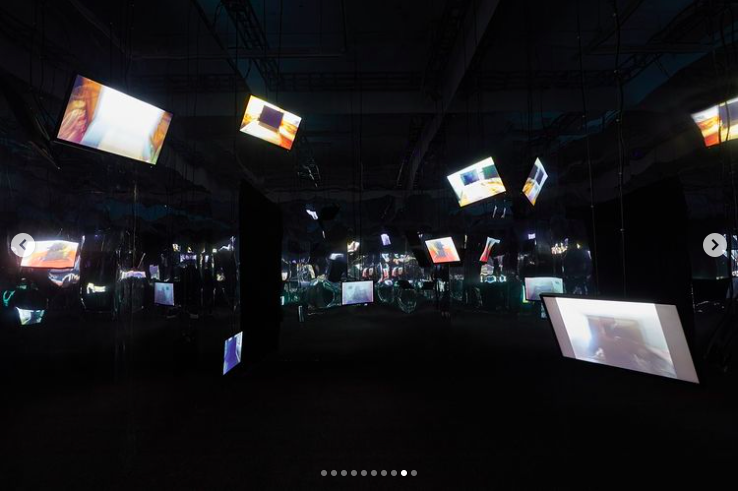
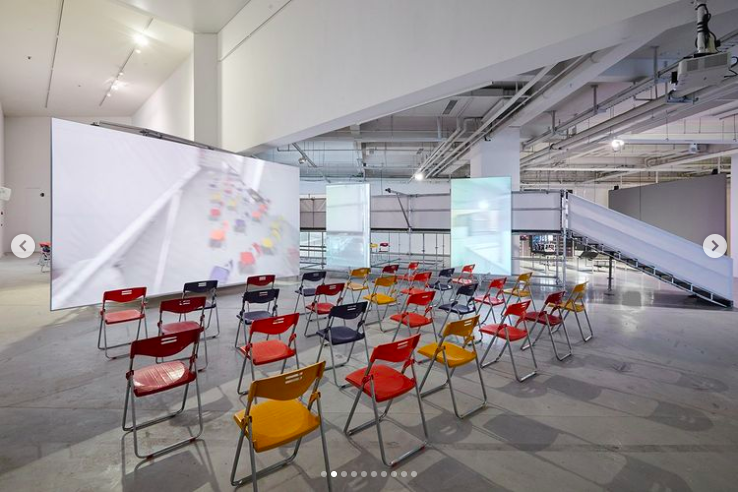
The exhibition Beneath the Skin, Between the Machines just opened at HOW Art Museum (Hao Art Gallery) and fabric | ch was keen to be invited to create a large installation for the show, also intented to be used during a symposium that will be entirely part of the exhibition (panels and talks as part of the installation therefore). The exhibition will be open between January 15 - April 24 2022 in Shanghai.
Along with a selection of chinese and international artists, curator Liaoliao Fu asked us to develop a proposal based on a former architectural device, Public Platform of Future-Past, which in itself was inspired by an older installation of ours... Heterochrony.
This new work, entitled Platform of Future-Past, deals with the temporal oddity that can be produced and induced by the recording, accumulation and storage of monitoring data, which contributes to leaving partial traces of "reality", functioning as spectres of the past.
We are proud to present this work along artists such as Hito Steyerl, Geumhyung Jeong, Lu Yang, Jon Rafman, Forensic Architecture, Lynn Hershman Leeson and Harun Farocki.
...
Last but not least and somehow a "sign of the times", this is the first exhibition in which we are participating and whose main financial backers are a blockchain and crypto-finance company, as well as a NFT platform. Both based in China.
More information about the symposium will be published.
Via Pro Helvetia
-----


-----
Curatorial Statement
By Fu Liaoliao and the curatorial team
"Man is only man at the surface. Remove the skin, dissect, and immediately you come to machinery.” When Paul Valéry wrote this down, he might not foresee that human beings – a biological organism – would indeed be incorporated into machinery at such a profound level in a highly informationized and computerized time and space. In a sense, it is just as what Marx predicted: a conscious connection of machine[1]. Today, machine is no longer confined to any material form; instead, it presents itself in the forms of data, coding and algorithm – virtually everything that is “operable”, “calculable” and “thinkable”. Ever since the idea of cyborg emerges, the man-machine relation has always been intertwined with our imagination, vision and fear of the past, present and future.
In a sense, machine represents a projection of human beings. We human beings transfer ideas of slavery and freedom to other beings, namely a machine that could replace human beings as technical entities or tools. Opposite (and similar, in a sense,) to the “embodiment” of machine, organic beings such as human beings are hurrying to move towards “disembodiment”. Everything pertinent to our body and behavior can be captured and calculated as data. In the meantime, the social system that human beings have created never stops absorbing new technologies. During the process of trial and error, the difference and fortuity accompanying the “new” are taken in and internalized by the system. “Every accident, every impulse, every error is productive (of the social system),”[2] and hence is predictable and calculable. Within such a system, differences tend to be obfuscated and erased, but meanwhile due to highly professional complexities embedded in different disciplines/fields, genuine interdisciplinary communication is becoming increasingly difficult, if not impossible.
As a result, technologies today are highly centralized, homogenized, sophisticated and commonized. They penetrate deeply into our skin, but beyond knowing, sensing and thinking. On the one hand, the exhibition probes into the reconfiguration of man by technologies through what’s “beneath the skin”; and on the other, encourages people to rethink the position and situation we’re in under this context through what’s “between the machines”. As an art institute located at Shanghai Zhangjiang Hi-Tech Industrial Development Zone, one of the most important hi-tech parks in China, HOW Art Museum intends to carve out an open rather than enclosed field through the exhibition, inviting the public to immerse themselves and ponder upon the questions such as “How people touch machines?”, “What the machines think of us?” and “Where to position art and its practice in the face of the overwhelming presence of technology and the intricate technological reality?”
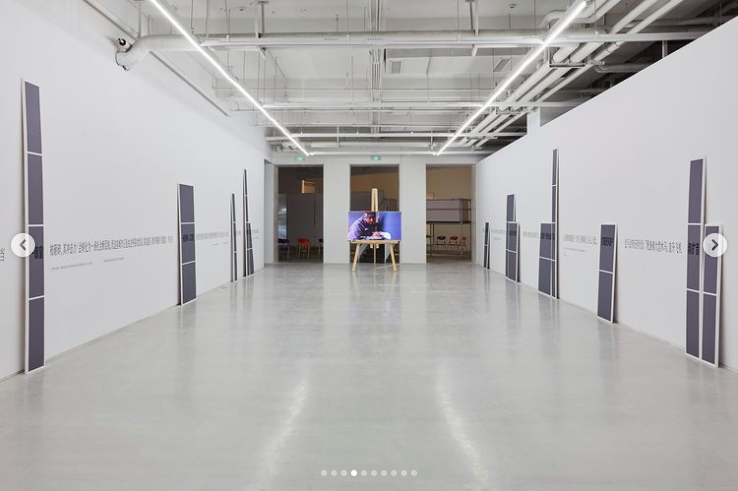
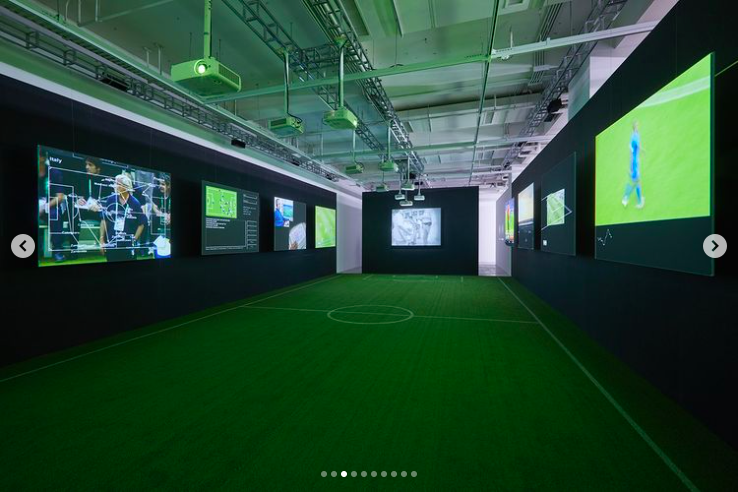
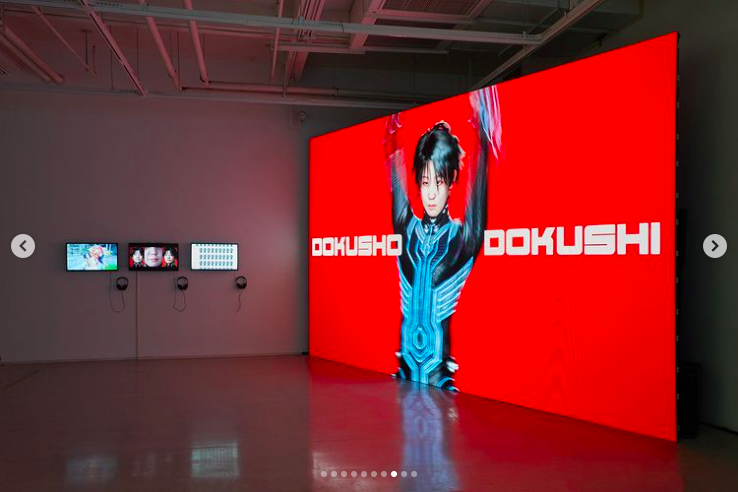
Departing from these issues, the exhibition presents a selection of recent works of Revital Cohen & Tuur Van Balen, Simon Denny, Harun Farocki, Nicolás Lamas, Lynn Hershman Leeson, Lu Yang, Lam Pok Yin, David OReilly, Pakui Hardware, Jon Rafman, Hito Steyerl, Shi Zheng and Geumhyung Jeong. In the meantime, it intends to set up a “panel installation”, specially created by fabric | ch for this exhibition, trying to offer a space and occasion for decentralized observation and participation in the above discussions. Conversations and actions are to be activated as well as captured, observed and archived at the same time.
[1] Karl Marx, “Fragment on Machines”, Foundations of a Critique of Political Economy
[2] Niklas Luhmann, Social Systems
-----
Schedule
Duration: January 15-April 24, 2022
Artists: Revital Cohen & Tuur Van Balen, Simon Denny, fabric | ch, Harun Farocki, Geumhyung Jeong, Nicolás Lamas, Lynn Hershman Leeson, Lu Yang, Lam Pok Yin, David OReilly, Pakui Hardware, Jon Rafman, Hito Steyerl, Shi Zheng
Curator: Fu Liaoliao
Organizer: HOW Art Museum, Shanghai
Lead Sponsor: APENFT Foundation
Swiss participation is supported by Pro Helvetia Shanghai, Swiss Arts Council.
(Swiss speakers and performers appearing in the educational events will be updated soon.)
-----
Work by fabric | ch
HOW Art Museum has invited Lausanne-based artist group fabric | ch to set up a “panel installation” based on their former project “Public Platform of Future Past” and adapted to the museum space, fostering insightful communication among practitioners from different fields and the audiences.
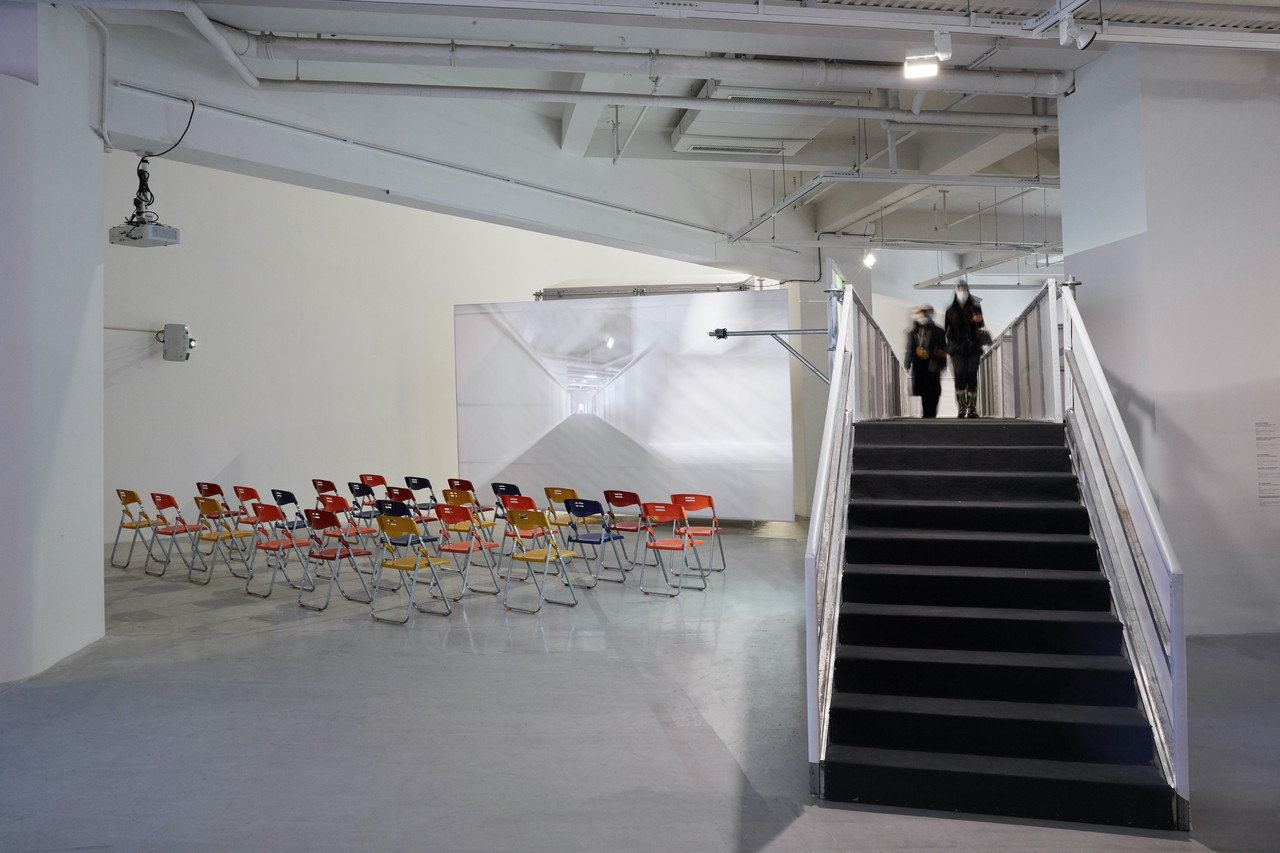
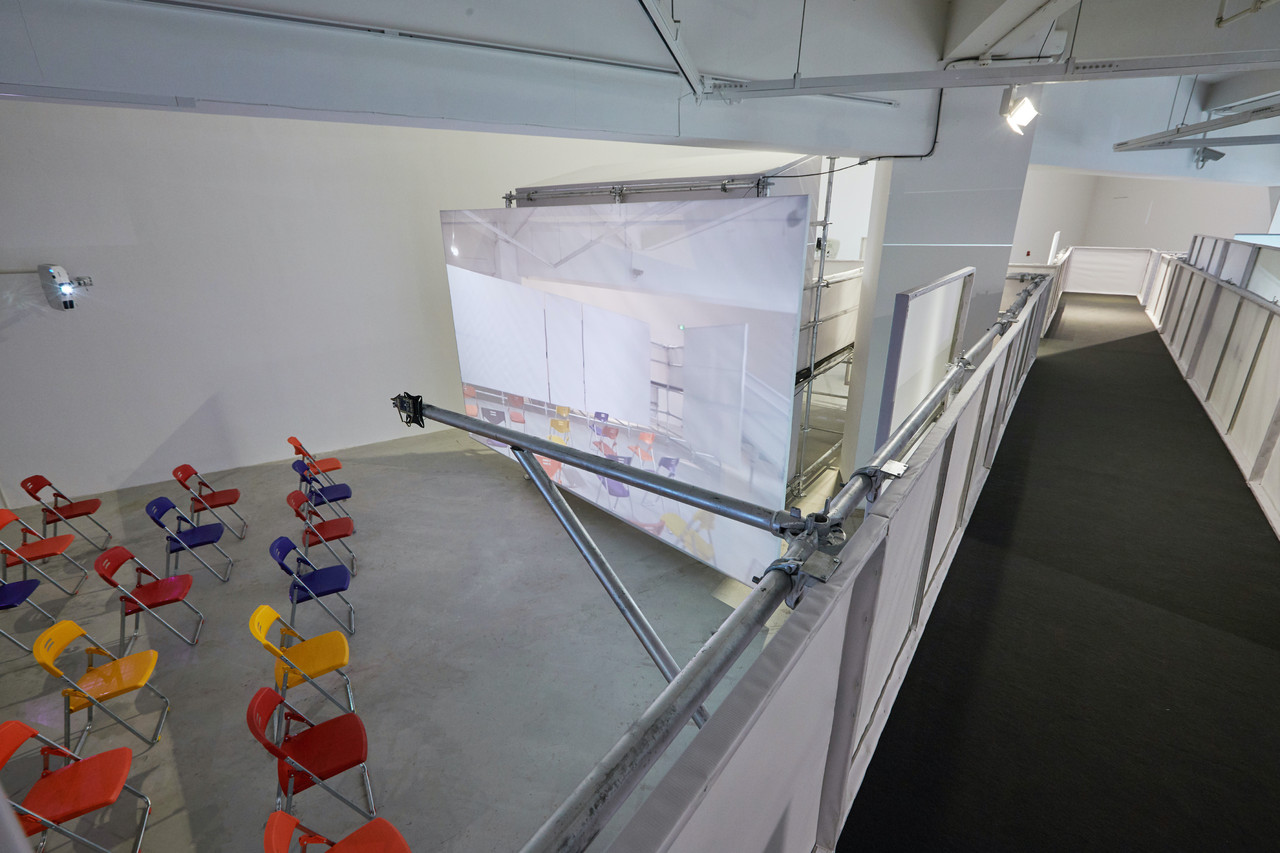
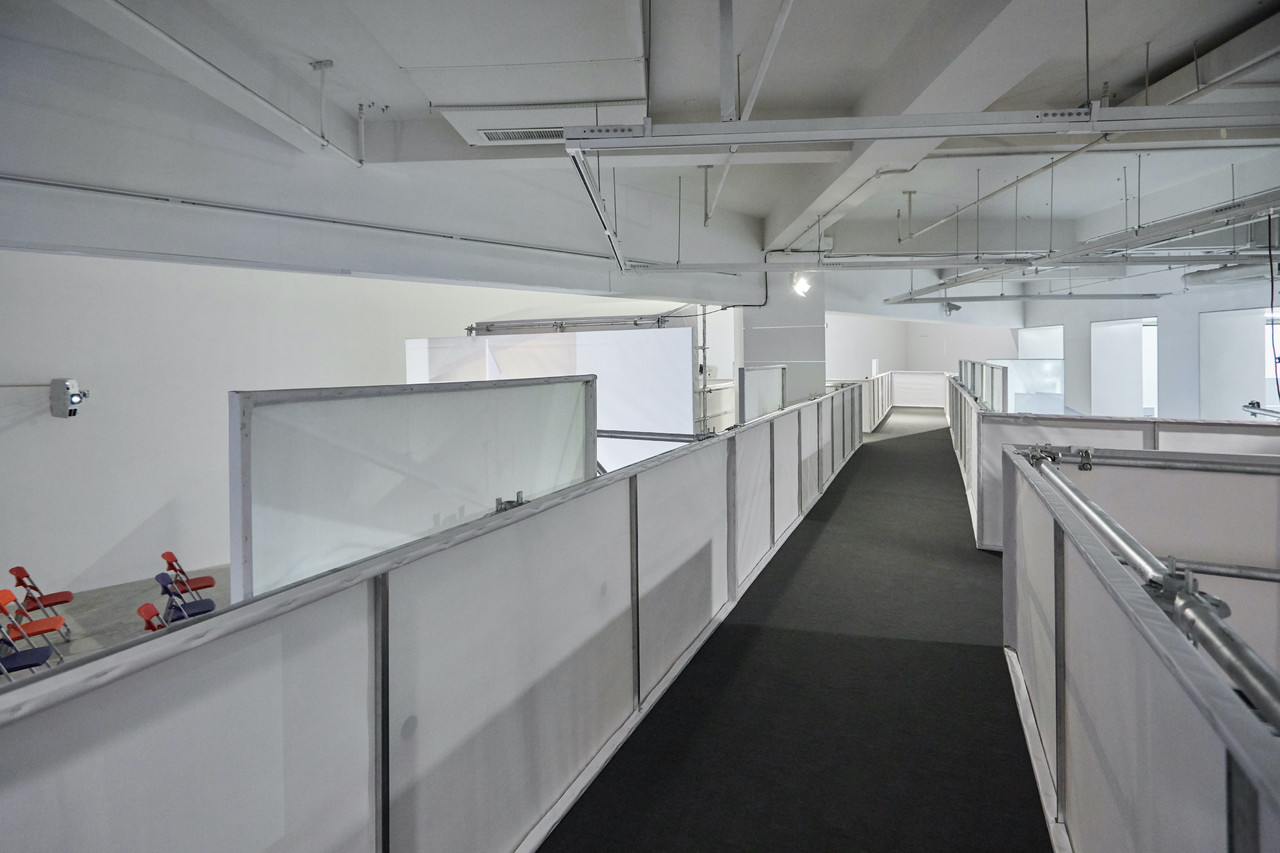
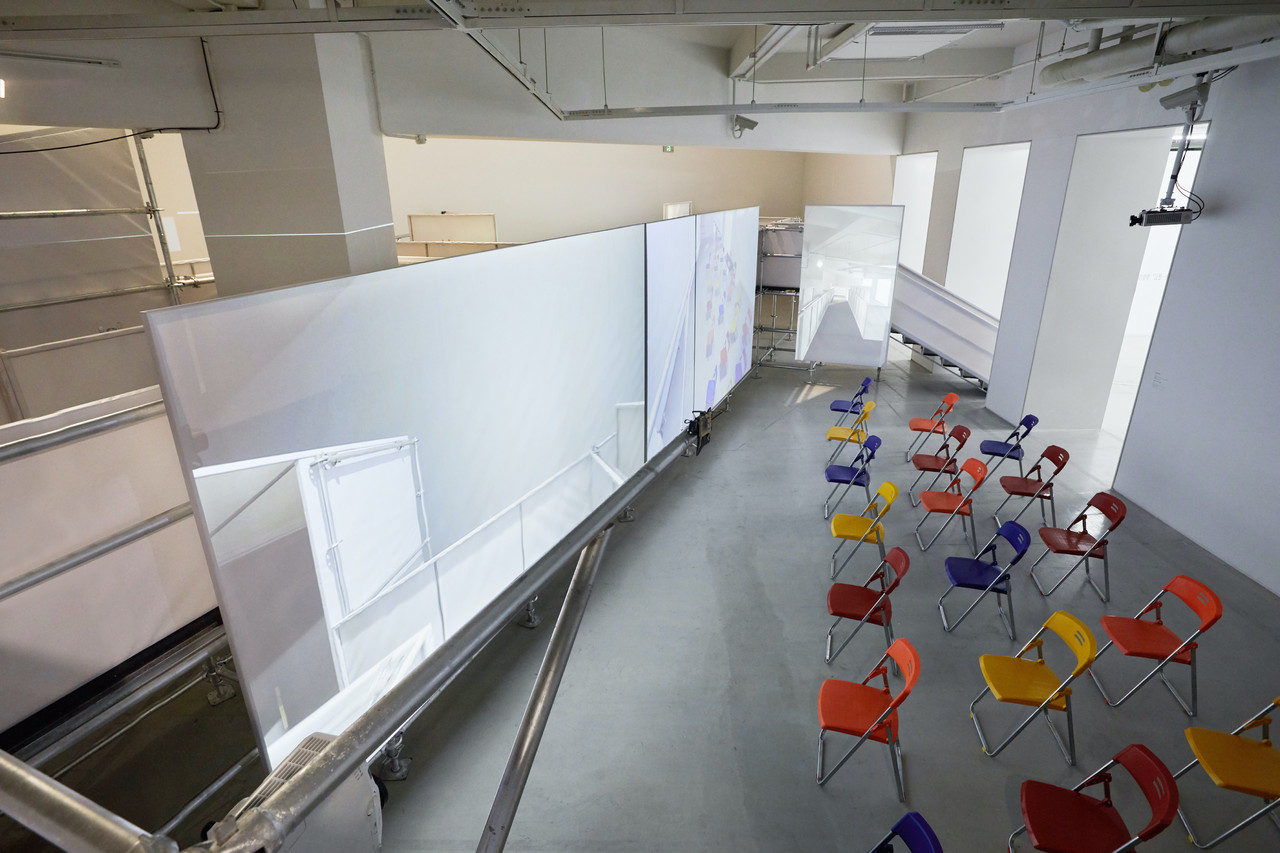
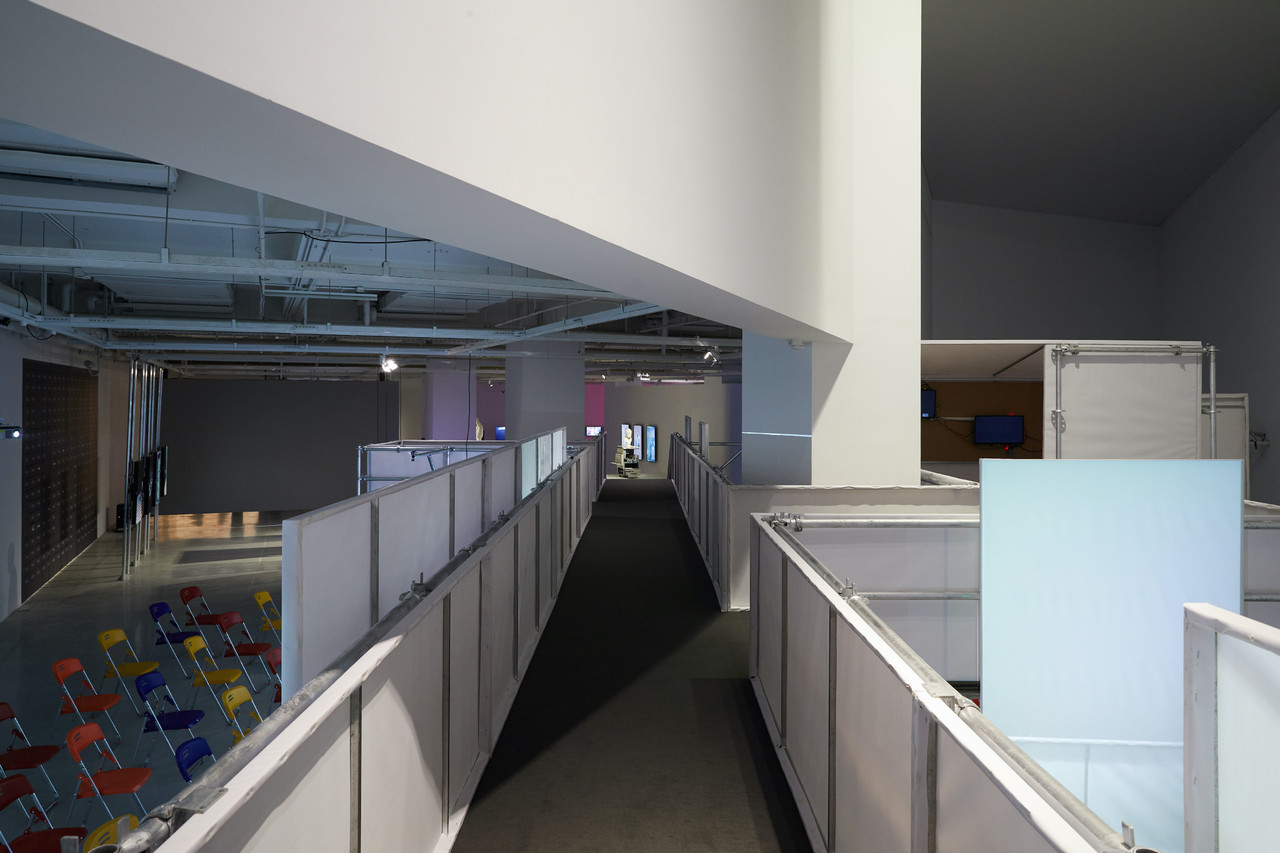
“Platform of Future-Past” is a temporary environmental device that consists in a twenty meters long walkway, or rather an observation deck, almost archaeological: a platform that overlooks an exhibition space and that, paradoxically, directly links its entrance to its exit. It thus offers the possibility of crossing this space without really entering it and of becoming its observer, as from archaeological observation decks. The platform opens- up contrasting atmospheres and offers affordances or potential uses on the ground.
The peculiarity of the work consists thus in the fact that it generates a dual perception and a potential temporal disruption, which leads to the title of the work, Platform of Future-Past: if the present time of the exhibition space and its visitors is, in fact, the “archeology” to be observed from the platform, and hence a potential “past,” then the present time of the walkway could be understood as a possible “future” viewed from the ground…
“Platform of Future-Past” is equipped in three zones with environmental monitoring devices. The sensors record as much data as possible over time, generated by the continuously changing conditions, presences and uses in the exhibition space. The data is then stored on Platform Future-Past’s servers and replayed in a loop on its computers. It is a “recorded moment”, “frozen” on the data servers, that could potentially replay itself forever or is waiting for someone to reactivate it. A “data center” on the deck, with its set of interfaces and visualizations screens, lets the visitors-observers follow the ongoing process of recording.
The work could be seen as an architectural proposal built on the idea of massive data production from our environment. Every second, our world produces massive amounts of data, stored “forever” in remote data centers, like old gas bubbles trapped in millennial ice.
As such, the project is attempting to introduce doubt about its true nature: would it be possible, in fact, that what is observed from the platform is already a present recorded from the past? A phantom situation? A present regenerated from the data recorded during a scientific experiment that was left abandoned? Or perhaps replayed by the machine itself ? Could it already, in fact, be running on a loop for years?
Platform of Future-Past, Scaffolding, projection screens, sensors, data storage, data flows, plywood panels, textile partitions
-----
Platform of Future-Past (2022)


-----
Beneath the Skin, Between the Machines (exhibition, 01.22 - 04.22)

-----
Platform of Future-Past was realized with the support of Pro Helvetia.
Wednesday, October 19. 2016
Le médium spirite ou la magie d’un corps hypermédiatique à l’ère de la modernité | #spirit #media #technology
Wednesday, September 21. 2016
This is your brain on LSD | #perception #psychedelism
Via c|net (via @chrstphggnrd)
-----
For the first time, a team of researchers have used neuroimaging to visualise the effect of LSD on the human brain.
A lot of research has been conducted into how psychedelic drug lysergic acid diethylamide, or LSD, affects human behaviour, but what does it actually do to the brain? To find out, a team of researchers from Imperial College London gave some test subjects the drug, and documented the results using brain imaging techniques.
This is the first time the human brain has been imaged while under the influence of LSD. The research has been published in the Proceedings of the National Academy of Sciences.

Harry L Williams administers LSD 25 to Carl Pfeiffer, chairman of Emory University's Pharmacological Department, in 1955. The experiment was documented using the microphone. Bettmann/Corbis.
LSD is known for its hallucinogenic properties and altered consciousness, and the results of the study revealed why.
"We observed brain changes under LSD that suggested our volunteers were 'seeing with their eyes shut' -- albeit they were seeing things from their imagination rather than from the outside world," explained study leader Robin Carhart-Harris in a statement.
"We saw that many more areas of the brain than normal were contributing to visual processing under LSD -- even though the volunteers' eyes were closed. Furthermore, the size of this effect correlated with volunteers' ratings of complex, dreamlike visions."

The top row shows the brains of the study participants on the placebo, the bottom row shows the study participants on LSD. Imperial College London.
The study involved 20 healthy participants, each of whom had previously taken some form of psychedelic drug. Each participant received either 75 micrograms of LSD or a placebo, and their brains were then imaged.
The results revealed that the barriers between the sections of the brain that perform specialised functions break down under the influence of LSD. This means that, as mentioned, more of the brain is involved in visual processing, which causes the hallucinations, but it also contributes to the altered consciousness associated with LSD.
"It is also related to what people sometimes call 'ego-dissolution', which means the normal sense of self is broken down and replaced by a sense of reconnection with themselves, others and the natural world. This experience is sometimes framed in a religious or spiritual way -- and seems to be associated with improvements in well-being after the drug's effects have subsided," Carhart-Harris said.
"Our brains become more constrained and compartmentalised as we develop from infancy into adulthood, and we may become more focused and rigid in our thinking as we mature. In many ways, the brain in the LSD state resembles the state our brains were in when we were infants: free and unconstrained. This also makes sense when we consider the hyper-emotional and imaginative nature of an infant's mind."
Adding music to the mix caused even more interesting changes in brain activity, causing the visual cortex to receive more information from the region of the brain associated with mental imagery and personal memory. Under the influence of both music and LSD, the study participants reported seeing even more complex visions, such as memories played out as scenes.
"Scientists have waited 50 years for this moment -- the revealing of how LSD alters our brain biology," said senior researcher David Nutt , Edmon J Safra Chair in Neuropsychopharmacology.
"For the first time we can really see what's happening in the brain during the psychedelic state, and can better understand why LSD had such a profound impact on self-awareness in users and on music and art. This could have great implications for psychiatry, and helping patients overcome conditions such as depression."
Related Links:
Wednesday, October 21. 2015
Create a Self-Destructing Website With This Open Source Code | #web #design
Note: suddenly speaking about web design, wouldn' it be the time to start again doing some interaction design on the web? Aren't we in need of some "net art" approach, some weirder propositions than the too slick "responsive design" of a previsible "user-centered" or even "experience" design dogma? These kind of complex web/interaction experiences almost all vanished (remember Jodi?) To the point that there is now a vast experimental void for designers to tap again into!
Well, after the site that can only be browsed by one person at a time (with a poor visual design indeed), here comes the one that self destruct itself. Could be a start... Btw, thinking about files, sites or contents, etc. that would self destruct themsleves would probably help save lots of energy in data storage, hard drives and datacenters of all sorts, where these data sits like zombies.
Via GOOD
-----
By Isis Madrid
Former head of product at Flickr and Bitly, Matt Rothenberg recently caused an internet hubbub with his Unindexed project. The communal website continuously searched for itself on Google for 22 days, at which point, upon finding itself, spontaneously combusted.

In addition to chasing its own tail on Google, Unindexed provided a platform for visitors to leave comments and encourage one another to spread the word about the website. According to Rothenberg, knowledge of the website was primarily passed on in the physical world via word of mouth.
“Part of the goal with the project was to create a sense of unease with the participants—if they liked it, they could and should share it with others, so that the conversation on the site could grow,” Rothenberg told Motherboard. “But by doing so they were potentially contributing to its demise via indexing, as the more the URL was out there, the faster Google would find it.”
When the website finally found itself on Google, the platform disappeared and this message replaced it:
“HTTP/1.1 410 Gone This web site is no longer here. It was automatically and permanently deleted after being indexed by Google. Prior to its deletion on Tue Feb 24 2015 21:01:14 GMT+0000 (UTC) it was active for 22 days and viewed 346 times. 31 of those visitors had added to the conversation.”
If you are interested in creating a similar self-destructing site, feel free to start with Rothenberg’s open source code.
Wednesday, October 15. 2014
Town Built for Driverless Cars | #automated
Note: after the zoning for drones within cities, will we develop them with specific "city marks" dedicated for driverless cars? It reminds me a bit of this design research project done a few years ago, The New Robot Domesticity, which purpose was to design objects so that robots could also recognized/use them. Further away, it also remind me of a workshop we organized at the ECAL back in 2005 with researcher Frederic Kaplan (now head of Digital Humanities at EPFL) which purpose was to design artefacts for the Sony Aibo (a doc. video here). This later prtoject was realized in the frame of the research project Variable Environment.
-----
Tricky intersections and rogue mechanical pedestrians will provide a testing area for automated and connected cars.
By Will Knight
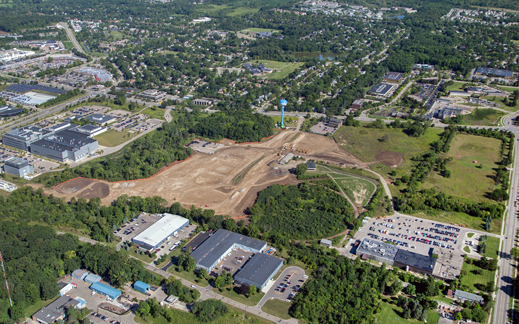
The site of Ann Arbor’s driverless town, currently under construction.
A mocked-up set of busy streets in Ann Arbor, Michigan, will provide the sternest test yet for self-driving cars. Complex intersections, confusing lane markings, and busy construction crews will be used to gauge the aptitude of the latest automotive sensors and driving algorithms; mechanical pedestrians will even leap into the road from between parked cars so researchers can see if they trip up onboard safety systems.
The urban setting will be used to create situations that automated driving systems have struggled with, such as subtle driver-pedestrian interactions, unusual road surfaces, tunnels, and tree canopies, which can confuse sensors and obscure GPS signals.
“If you go out on the public streets you come up against rare events that are very challenging for sensors,” says Peter Sweatman, director of the University of Michigan’s Mobility Transformation Center, which is overseeing the project. “Having identified challenging scenarios, we need to re-create them in a highly repeatable way. We don’t want to be just driving around the public roads.”
Google and others have been driving automated cars around public roads for several years, albeit with a human ready to take the wheel if necessary. Most automated vehicles use accurate digital maps and satellite positioning, together with a suite of different sensors, to navigate safely.
Highway driving, which is less complex than city driving, has proved easy enough for self-driving cars, but busy downtown streets—where cars and pedestrians jockey for space and behave in confusing and surprising ways—are more problematic.
“I think it’s a great idea,” says John Leonard, a professor at MIT who led the development of a self-driving vehicle for a challenge run by DARPA in 2007. “It is important for us to try to collect statistically meaningful data about the performance of self-driving cars. Repeated operations—even in a small-scale environment—can yield valuable data sets for testing and evaluating new algorithms.”
The simulation is being built on the edge of the University of Michigan’s campus with funding from the Michigan Department of Transportation and 13 companies involved with developing automated driving technology. It is scheduled to open next spring. It will consist of four miles of roads with 13 different intersections.
Even Google, which has an ambitious vision of vehicle automation, acknowledges that urban driving is a significant challenge. Speaking at an event in California this July, Chris Urmson, who leads the company’s self-driving car project, said several common urban situations remain thorny (see “Urban Jungle a Tough Challenge for Google’s Autonomous Car”). Speaking with MIT Technology Review last month, Urmson gave further details about as-yet-unsolved scenarios (see “Hidden Obstacles for Google’s Self-Driving Cars”).
Such challenges notwithstanding, the first automated cars will go into production shortly. General Motors announced last month that a 2017 Cadillac will be the first car to offer entirely automated driving on highways. It’s not yet clear how the system will work—for example, how it will ensure that the driver isn’t too distracted to take the wheel in an emergency, or under what road conditions it might refuse to take the wheel—but in some situations, the car’s Super Cruise system will take care of steering, braking, and accelerating. Another technology to be tested in the simulated town is vehicle-to-vehicle communications. The University of Michigan recently concluded a government-funded study in Ann Arbor involving thousands of vehicles equipped with transmitters that broadcast position, direction of travel, speed, and other information to other vehicles and to city infrastructure. The trial showed that vehicle-to-vehicle and vehicle-to-infrastructure communications could prevent many common accidents by providing advanced warning of a possible collision. “One of the interesting things, from our point of view, is what extra value you get by combining” automation and car-to-car communications, Sweatman says. “What happens when you put the two together—how much faster can you deploy it?”
Thursday, July 10. 2014
Q+A, Antonio Damasio about feelings | #neurosciences
-----
For decades, biologists spurned emotion and feeling as uninteresting. But Antonio Damasio demonstrated that they were central to the life-regulating processes of almost all living creatures.

Damasio’s essential insight is that feelings are “mental experiences of body states,” which arise as the brain interprets emotions, themselves physical states arising from the body’s responses to external stimuli. (The order of such events is: I am threatened, experience fear, and feel horror.) He has suggested that consciousness, whether the primitive “core consciousness” of animals or the “extended” self-conception of humans, requiring autobiographical memory, emerges from emotions and feelings. His insight, dating back to the early 1990s, stemmed from the clinical study of brain lesions in patients unable to make good decisions because their emotions were impaired, but whose reason was otherwise unaffected—research made possible by the neuroanatomical studies of his wife and frequent coauthor, Hanna Damasio. Their work has always depended on advances in technology. More recently, tools such as functional neuroimaging, which measures the relationship between mental processes and activity in parts of the brain, have complemented the Damasios’ use of neuroanatomy. A professor of neuroscience at the University of Southern California, Damasio has written four artful books that explain his research to a broader audience and relate its discoveries to the abiding concerns of philosophy. He believes that neurobiological research has a distinctly philosophical purpose: “The scientist’s voice need not be the mere record of life as it is,” he wrote in a book on Descartes. “If only we want it, deeper knowledge of brain and mind will help achieve … happiness.” Antonio Damasio talked with Jason Pontin, the editor in chief of MIT Technology Review. When you were a young scientist in the late 1970s, emotion was not thought a proper field of inquiry. We were told very often, “Well, you’re going to be lost, because there’s absolutely nothing there of consequence.” We were pitied for our poor choice. How so? William James had tackled emotion richly and intelligently. But his ideas [mainly that emotions are the brain’s mapping of body states, ideas that Damasio revived and experimentally verified] had led to huge controversies in the beginning of the 20th century that ended nowhere. Somehow researchers had the sense that emotion would not, in the end, be sufficiently distinctive—because animals had emotions, too. But what animals don’t have, researchers told themselves, is language like we do, nor reason or creativity—so let’s study that, they thought. And in fact, it’s true that most creatures on the face of the earth do have something that could be called emotion, and something that could be called feeling. But that doesn’t mean we humans don’t use emotions and feelings in particular ways. Because we have a conscious sense of self? Yes. What’s distinctive about humans is that we make use of fundamental processes of life regulation that include things like emotion and feeling, but we connect them with intellectual processes in such a way that we create a whole new world around us. What made you so interested in emotions as an area of study? There was something that appealed to me because of my interest in literature and music. It was a way of combining what was important to me with what I thought was going to be important scientifically. What have you learned? There are certain action programs that are obviously permanently installed in our organs and in our brains so that we can survive, flourish, procreate, and, eventually, die. This is the world of life regulation—homeostasis—that I am so interested in, and it covers a wide range of body states. There is an action program of thirst that leads you to seek water when you are dehydrated, but also an action program of fear when you are threatened. Once the action program is deployed and the brain has the possibility of mapping what has happened in the body, then that leads to the emergence of the mental state. During the action program of fear, a collection of things happen in my body that change me and make me behave in a certain way whether I want to or not. As that is happening to me, I have a mental representation of that body state as much as I have a mental representation of what frightened me. And out of that “mapping” of something happening within the body comes a feeling, which is different from an emotion? Exactly. For me, it’s very important to separate emotion from feeling. We must separate the component that comes out of actions from the component that comes out of our perspective on those actions, which is feeling. Curiously, it’s also where the self emerges, and consciousness itself. Mind begins at the level of feeling. It’s when you have a feeling (even if you’re a very little creature) that you begin to have a mind and a self. But that would imply that only creatures with a fully formed sense of their minds could have fully formed feelings— No, no, no. I’m ready to give the very teeny brain of an insect—provided it has the possibility of representing its body states—the possibility of having feelings. In fact, I would be flabbergasted to discover that they don’t have feelings. Of course, what flies don’t have is all the intellect around those feelings that could make use of them: to found a religious order, or develop an art form, or write a poem. They can’t do that; but we can. In us, having feelings somehow allows us also to have creations that are responses to those feelings. Do other animals have a kind of responsiveness to their feelings? I’m not sure that I even understand your question. Are dogs aware that they feel? Of course. Of course dogs feel. No, not “Do dogs feel?” I mean: is my dog Ferdinando conscious of feeling? Does he have feelings about his feelings? [Thinks.] I don’t know. I would have my doubts. But humans are certainly conscious of being responsive. Yes. We’re aware of our feelings and are conscious of the pleasantness or unpleasantness associated with them. Look, what are the really powerful feelings that you deal with every day? Desires, appetites, hunger, thirst, pain—those are the basic things. How much of the structure of civilization is devoted to controlling those basic things? Spinoza says that politics seeks to regulate such instincts for the common good. We wouldn’t have music, art, religion, science, technology, economics, politics, justice, or moral philosophy without the impelling force of feelings. Do people emote in predictable ways regardless of their culture? For instance, does everyone hear the Western minor mode in music as sad? We now know enough to say yes to that question. At the Brain and Creativity Institute [which Damasio directs], we have been doing cross-cultural studies of emotion. At first we thought we would find very different patterns, especially with social emotions. In fact, we don’t. Whether you are studying Chinese, Americans, or Iranians, you get very similar responses. There are lots of subtleties and lots of ways in which certain stimuli elicit different patterns of emotional response with different intensities, but the presence of sadness or joy is there with a uniformity that is strongly and beautifully human. Could our emotions be augmented with implants or some other brain-interfacing technology? Inasmuch as we can understand the neural processes behind any of these complex functions, once we do, the possibility of intervening is always there. Of course, we interface with brain function all the time: with diet, with alcohol, and with medications. So it’s not that surgical interventions will be any great novelty. What will be novel is to make those interventions cleanly so that they are targeted. No, the more serious issue is the moral situations that might arise. Why? Because it really depends on what the intervention is aimed at achieving. Suppose the intervention is aimed at resuscitating your lost ability to move a limb, or to see or hear. Do I have any moral problem? Of course not. But what if it interferes with states of the brain that are influential in how you make your decisions? Then you are entering a realm that should be reserved for the person alone. What has been the most useful technology for understanding the biological basis of consciousness? Imaging technologies have made a powerful contribution. At the same time, I’m painfully aware that they are limited in what they give us. If you could wish into existence a better technology for observing the brain, what would it be? I would not want to go to only one level, because I don’t think the really interesting things occur at just one level. What we need are new techniques to understand the interrelation of levels. There are people who have spent a good part of their lives studying systems, which is the case with my wife and most of the people in our lab. We have done our work on neuroanatomy, and gone into cells only occasionally. But now we are actually studying the state of the functions of axons [nerve fibers in the brain], and we desperately need ways in which we can scale up from what we’ve found to higher and higher levels. What would that technology look like? I don’t know. It needs to be invented.
Related Links:
Saturday, November 23. 2013
fabric | ch, Satellite Daylight, 46°28'N @ Haus für elektronische Künste | #architecture #interaction
Tuesday, October 08. 2013
Could Mobile Technology Help Us Define “Good” Architecture?
Via ArchDaily
-----
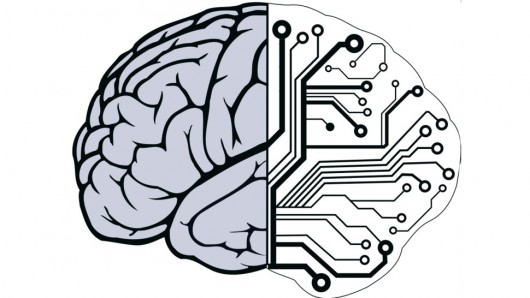
Architecture researchers in Edinburgh have completed a breakthrough study on brain activity recorded in situ by using mobile electroencephalography (EEG) technology, which records live neural impressions of subjects moving through a city. Excitingly, this technology could help us define how different urban environments affect us, a discovery that could have provocative implications for architecture. Read the full story on Salon. Also, check out this article from Fast Company about how a similar mobile technology could show us the effects of urban design – not on our brains, but on our bodies.
Personal comment:
One day after the official start of the Blue Brain Project, --one of the biggest joint effort at this day to map and understand the brain-- just a few miles away from our office, there will be undoubtedly an incredible research future in the more than likely meeting of architecture, environment design and neurosciences...
Wednesday, May 08. 2013
Driving Miss dAIsy: What Google’s self-driving cars see on the road
Via Slash Gear via Computed·Blg
-----
We’ve been hearing a lot about Google‘s self-driving car lately, and we’re all probably wanting to know how exactly the search giant is able to construct such a thing and drive itself without hitting anything or anyone. A new photo has surfaced that demonstrates what Google’s self-driving vehicles see while they’re out on the town, and it looks rather frightening.

The image was tweeted by Idealab founder Bill Gross, along with a claim that the self-driving car collects almost 1GB of data every second (yes, every second). This data includes imagery of the cars surroundings in order to effectively and safely navigate roads. The image shows that the car sees its surroundings through an infrared-like camera sensor, and it even can pick out people walking on the sidewalk.
Of course, 1GB of data every second isn’t too surprising when you consider that the car has to get a 360-degree image of its surroundings at all times. The image we see above even distinguishes different objects by color and shape. For instance, pedestrians are in bright green, cars are shaped like boxes, and the road is in dark blue.
However, we’re not sure where this photo came from, so it could simply be a rendering of someone’s idea of what Google’s self-driving car sees. Either way, Google says that we could see self-driving cars make their way to public roads in the next five years or so, which actually isn’t that far off, and Tesla Motors CEO Elon Musk is even interested in developing self-driving cars as well. However, they certainly don’t come without their problems, and we’re guessing that the first batch of self-driving cars probably won’t be in 100% tip-top shape.
fabric | rblg
This blog is the survey website of fabric | ch - studio for architecture, interaction and research.
We curate and reblog articles, researches, writings, exhibitions and projects that we notice and find interesting during our everyday practice and readings.
Most articles concern the intertwined fields of architecture, territory, art, interaction design, thinking and science. From time to time, we also publish documentation about our own work and research, immersed among these related resources and inspirations.
This website is used by fabric | ch as archive, references and resources. It is shared with all those interested in the same topics as we are, in the hope that they will also find valuable references and content in it.
Quicksearch
Categories
Calendar

|
April '24 | |||||
| Mon | Tue | Wed | Thu | Fri | Sat | Sun |
| 1 | 2 | 3 | 4 | 5 | 6 | 7 |
| 8 | 9 | 10 | 11 | 12 | 13 | 14 |
| 15 | 16 | 17 | 18 | 19 | 20 | 21 |
| 22 | 23 | 24 | 25 | 26 | 27 | 28 |
| 29 | 30 | |||||
