Wednesday, March 12. 2025
Summoning the Ghosts of Modernity at MAMM (Medellin) | #exhibition #digital #algorithmic #matter #nonmatter
Note: fabric | ch is part of the exhibition Summoning the Ghosts of Modernity at the Museo de Arte Moderno de Medellin (MAMM), in Colombia.
The show constitutes a continuation of Beyond Matter that took place at the ZKM in 2022/23, and is curated by Lívia Nolasco-Rószás and Esteban Guttiérez Jiménez.
The exhibition will be open between the 13th of March and 15th of June 2025.
-----
By fabric | ch

Atomized (re-)Staging (2022), by fabric | ch. Exhibited during Summing the Ghosts of Modernity at the Museo de Arte Moderno de Medellin (MAMM). March 13 to June 15 2025.
More pictures of the exhibtion on Pixelfed.
Tuesday, February 27. 2024
"Universal Machine": historical graphs on the relations and fluxes between art, architecture, design, and technology (19.. - 20..) | #art&sciences #history #graphs
Note (03.2024): The contents of the files (maps) have been updated as of 02.2024.
-
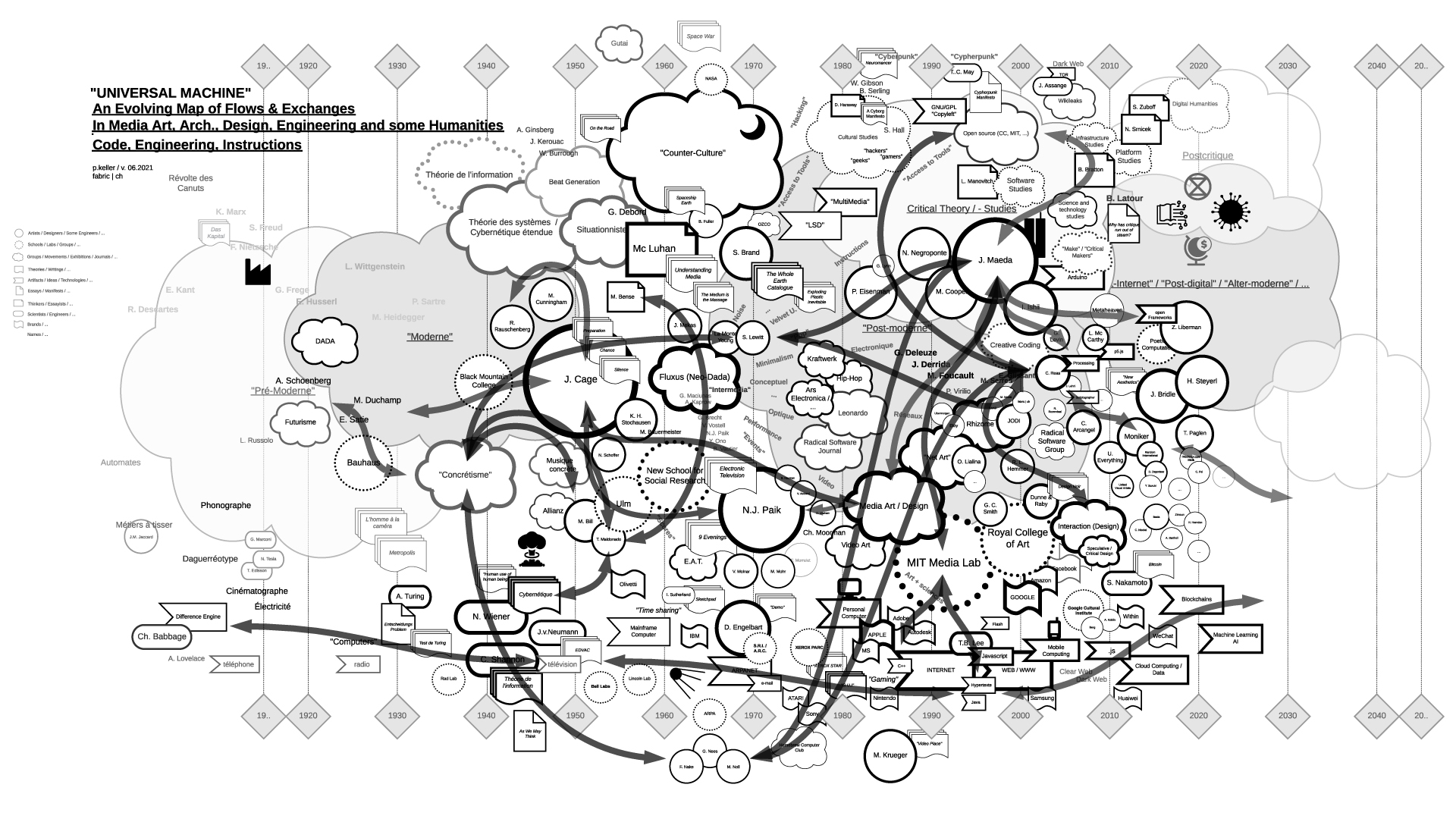
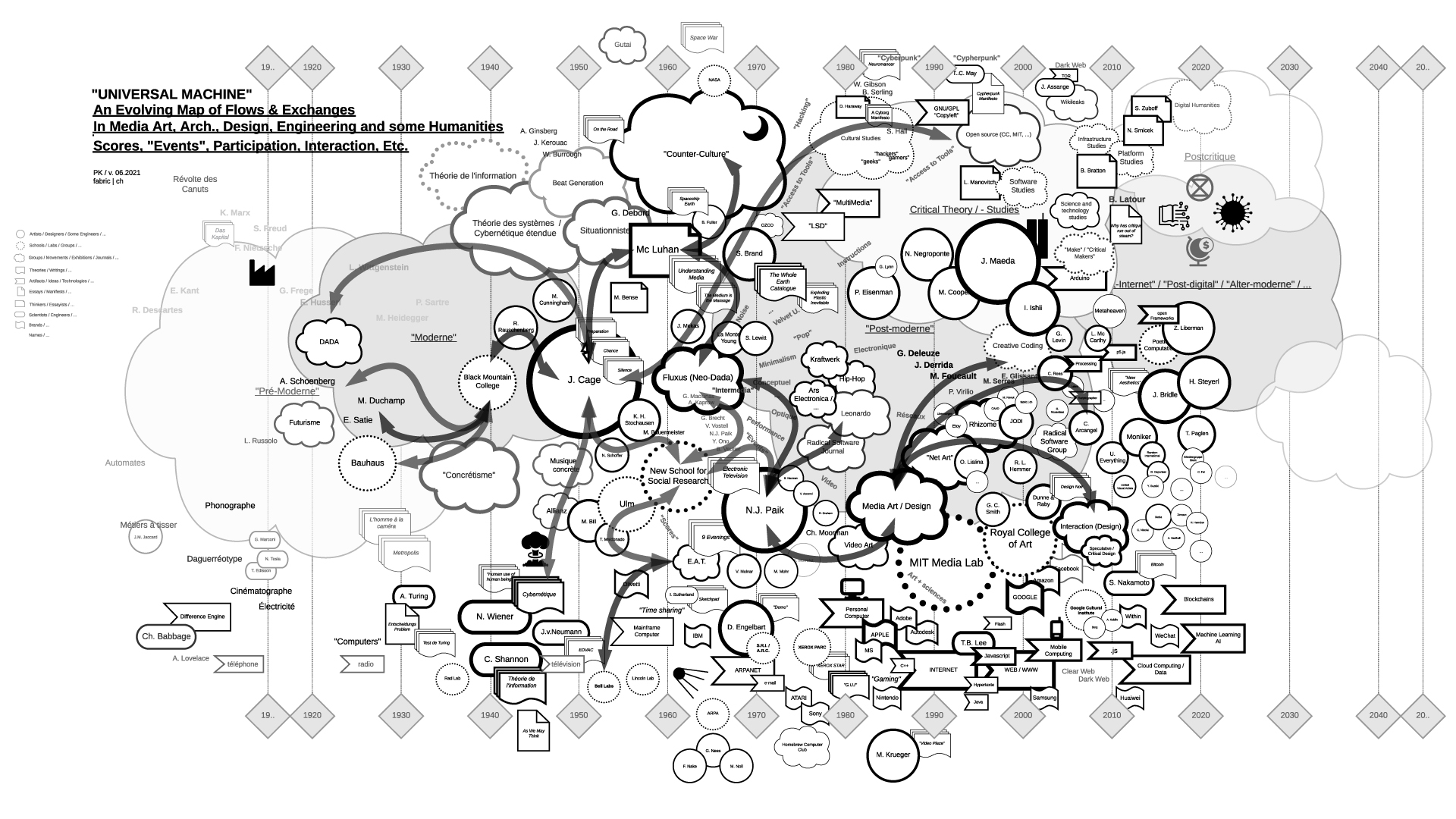
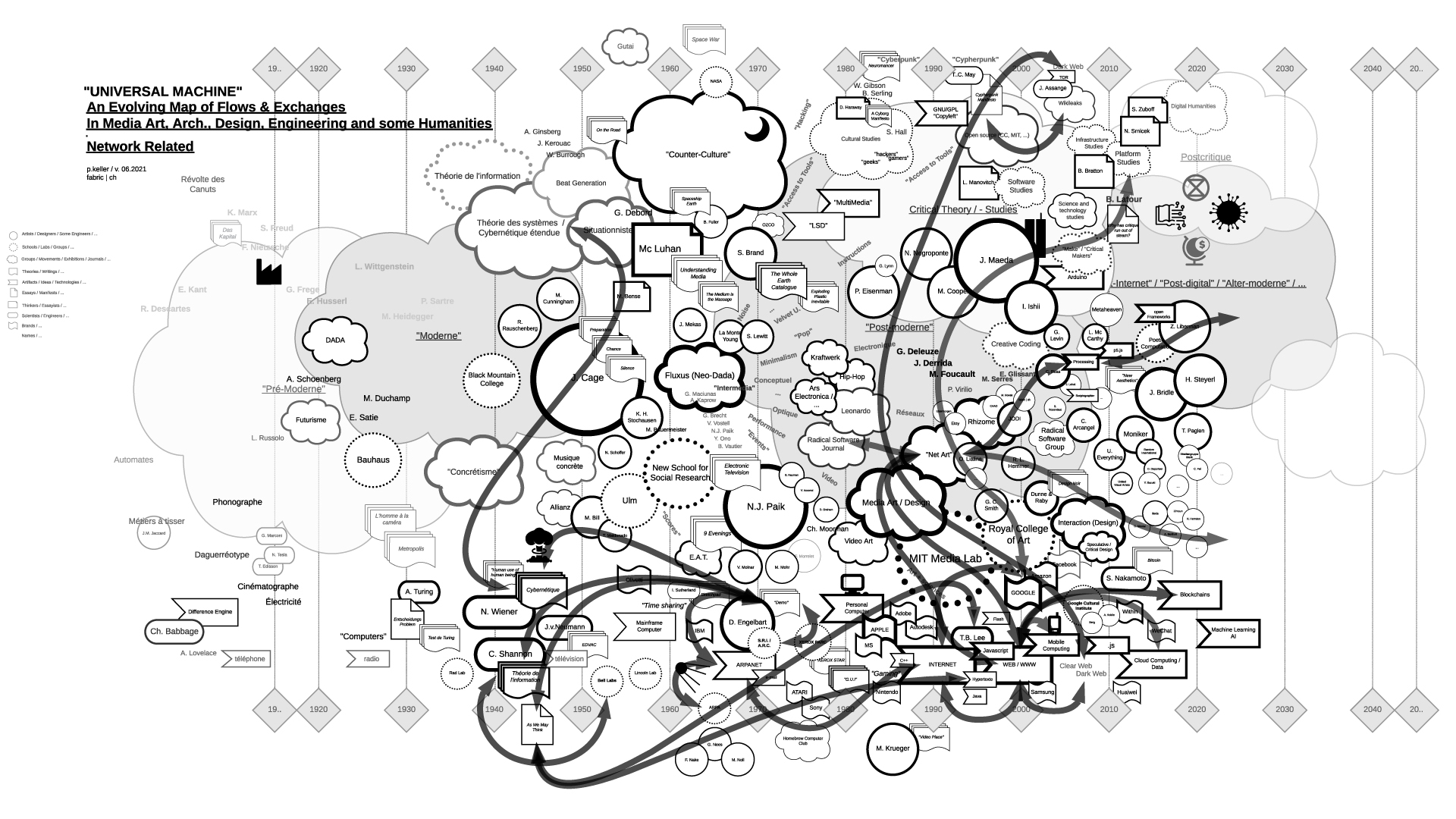
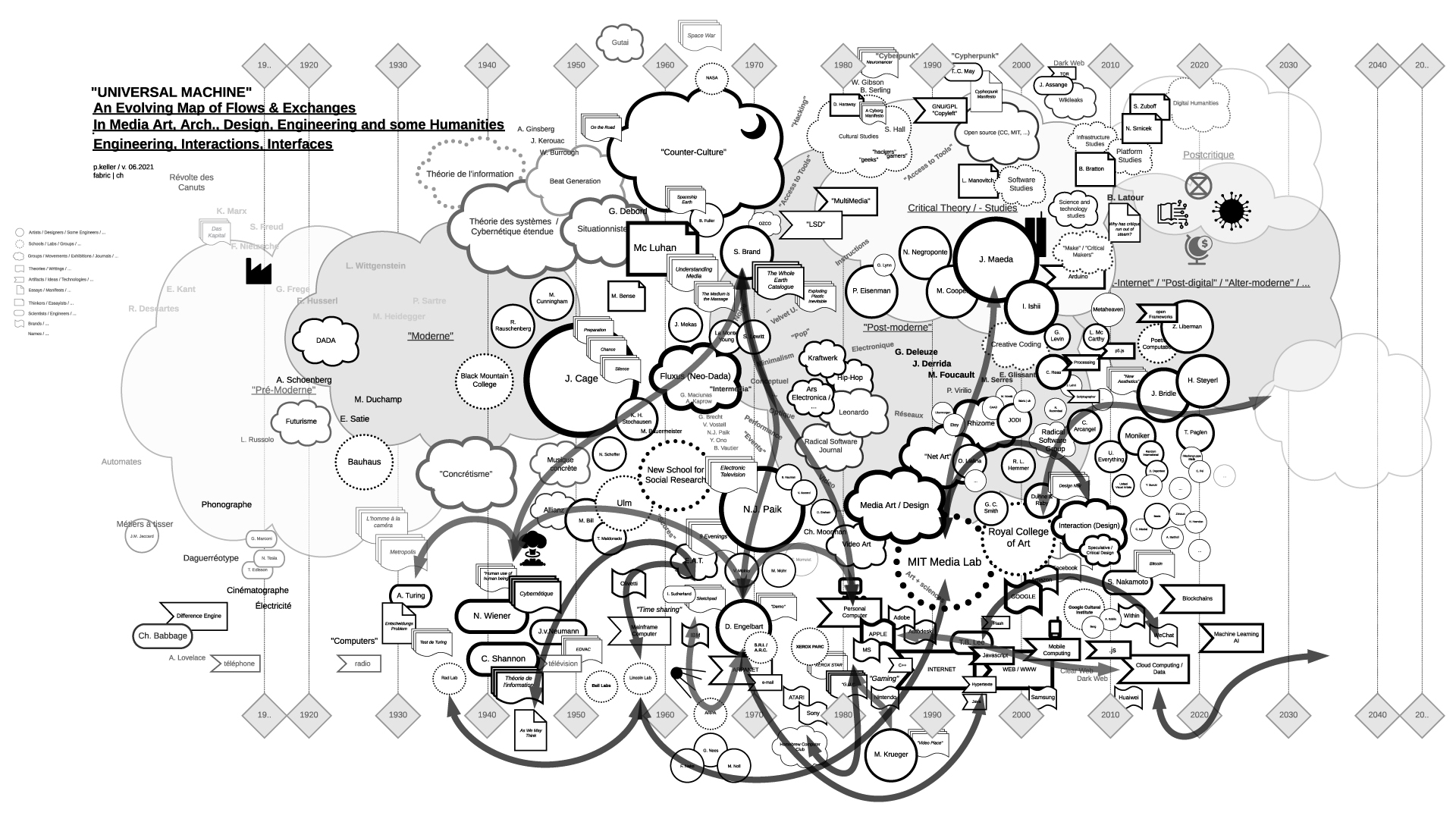
Note (07.2021): As part of my teaching at ECAL / University of Art and Design Lausanne (HES-SO), I've delved into the historical ties between art and science. This ongoing exploration focuses on the connection between creative processes in art, architecture, and design, and the information sciences, particularly the computer, also known as the "Universal Machine" as coined by A. Turing. This informs the title of the graphs below and this post.
Through my work at fabric | ch, and previously as an assistant at EPFL followed by a professorship at ECAL, to experience first hand some of these massive transformations in society and culture.
Thus, in my theory courses, I've aimed to create "maps" that aid in comprehending, visualizing, and elucidating the flux and timelines of interactions among individuals, artifacts, and disciplines. These maps, imperfect and constrained by size, are continuously evolving and open to interpretation beyond my own. I regularly update them as part of the process.
Yet, in the absence of a comprehensive written, visual, or sensitive history of these techno-cultural phenomena as a whole, these maps serve as valuable approximation tools for grasping the flows and exchanges that either unite or divide them. They offer a starting point for constructing personal knowledge and delving deeper into these subjects.
This is precisely why, despite their inherent fuzziness - or perhaps because of it - I choose to share them on this blog (fabric | rblg), in an informal manner. It's an invitation for other artists, designers, researchers, teachers, students, and so forth, to begin building upon them, to depict different flows, to develop pre-existing or subsequent ideas, or even more intriguingly, to diverge from them. If such advancements occur, I'm keen on featuring them on this platform. Feel free to reach out for suggestions, comments, or to share new developments.
...
It's worth mentioning that the maps are structured horizontally along a linear timeline, spanning from the late 18th century to the mid-21st century, predominantly focusing on the industrial period. Vertically, they are organized around disciplines, with the bottom representing engineering, the middle encompassing art and design, and the top relating to humanities, social events, or movements.
Certainly, one might question this linear timeline, echoing the sentiments of writer B. Latour. What about considering a spiral timeline, for instance? Such a representation would still depict both the past and the future, while also illustrating the historical proximities of topics, connecting past centuries and subjects with our contemporary context in a circular manner. However, for the time being, and while recognizing its limitations, I adhere to the simplicity of the linear approach.
Countless narratives can emerge as inherent properties of the graphs, underscoring that they are not their origins but rather products thereof.
...
The selection of topics (code, scores-instructions, countercultural, network-related, interaction, "post-...") currently aligns with the themes of my teaching but is subject to expansion, possibly toward an underlying layer revealing the material conditions that underpinned and facilitated the entire process.
In any case, this could serve as a fruitful starting point for some further readings or perhaps a new "Where's Waldo/Wally" kind of game!
Via fabric | ch
-----
By Patrick Keller
Rem.: By clicking on the thumbnails below you'll get access to HD versions.
"Universal Machine", main map (late 18th to mid 21st centuries):

Flows in the map > "Code":
Flows in the map > "Scores, Partitions, ...":
Flows in the map > "Countercultural, Subcultural, ...":

Flows in the map > "Network Related":
Flows in the map > "Interaction":
Flows in the map > "Post-Internet/Digital, "Post -..." , "Neo -...", ML/AI":
...
To be continued (& completed) ...
Friday, February 09. 2024
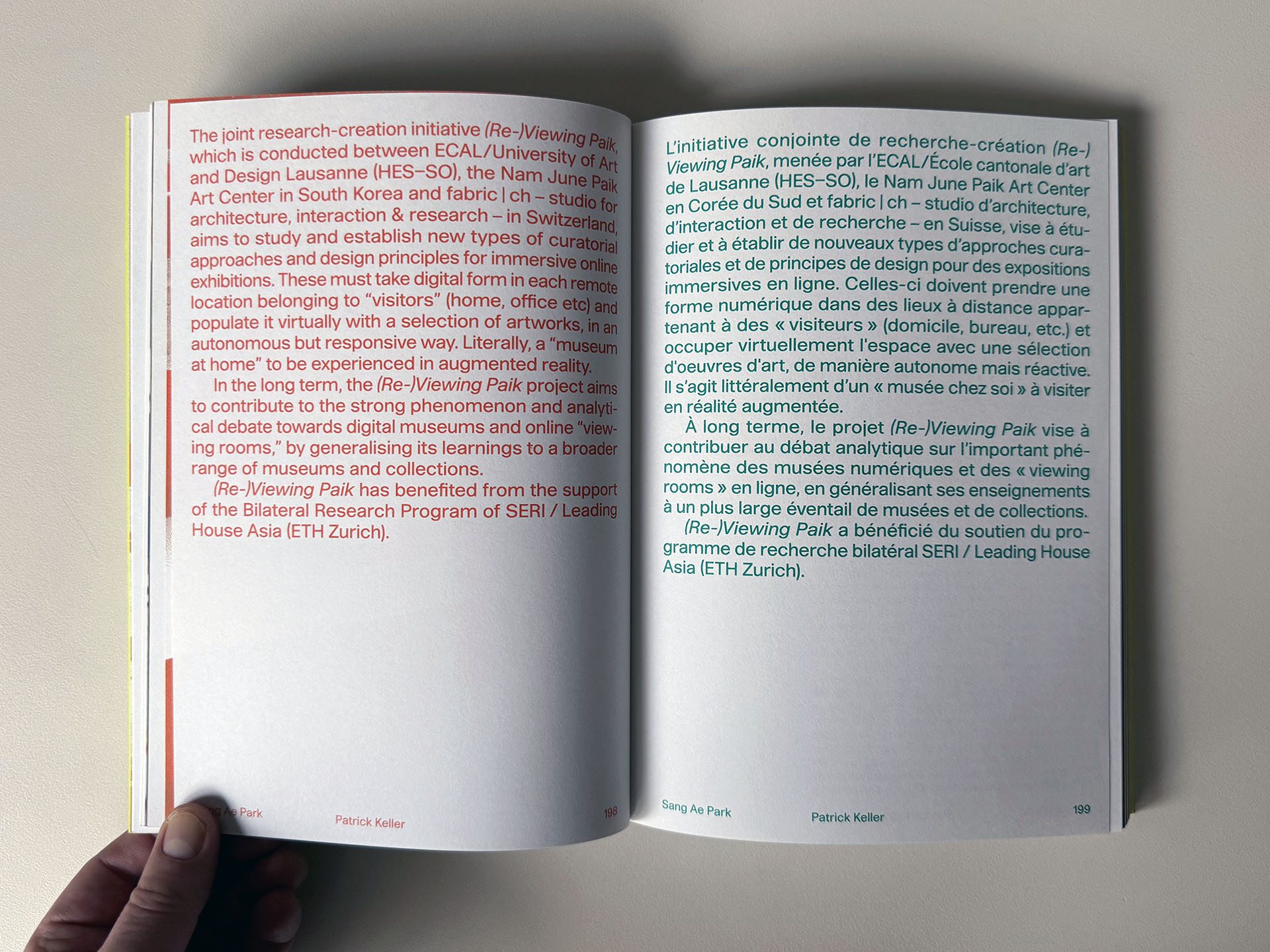
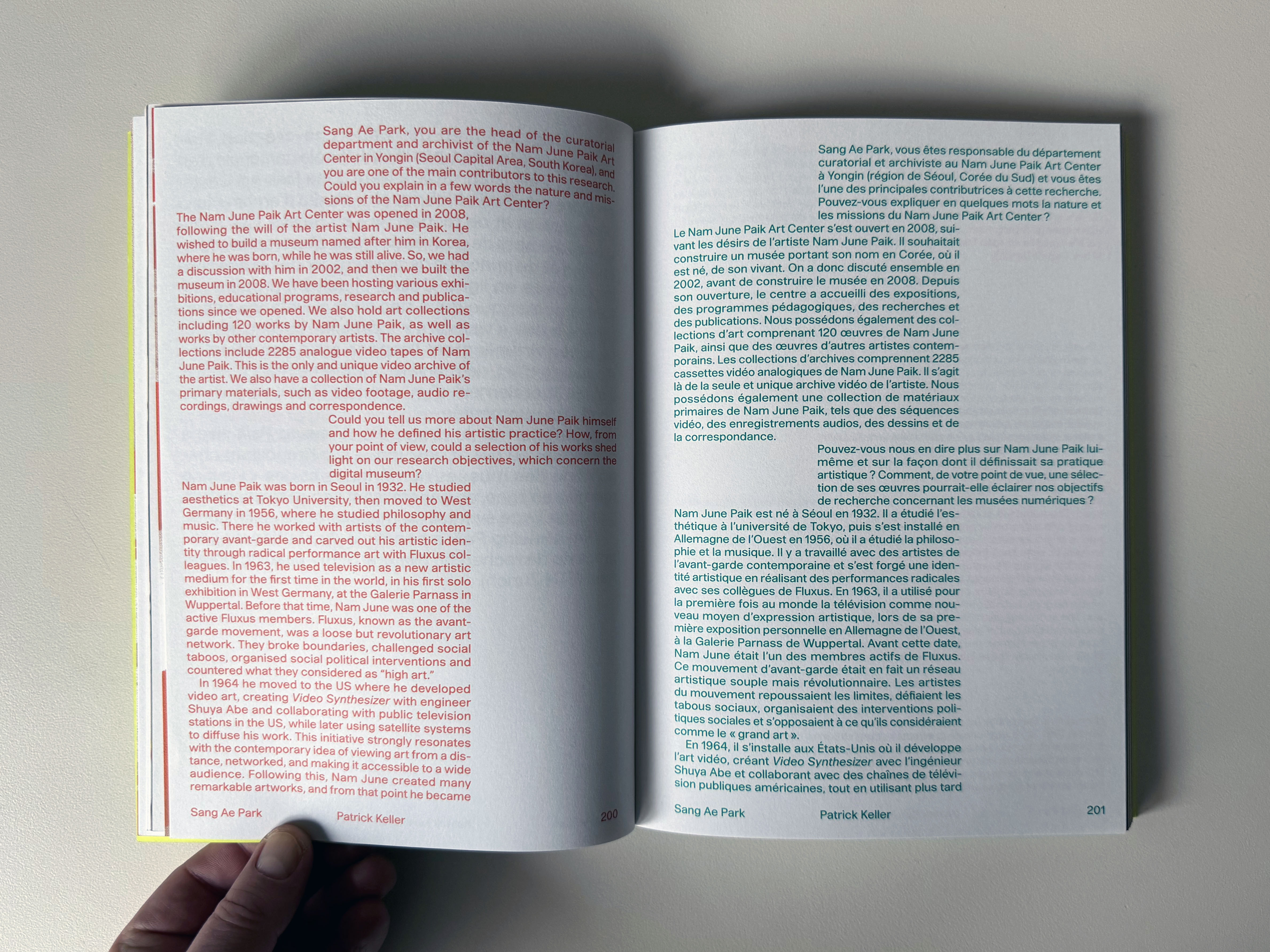
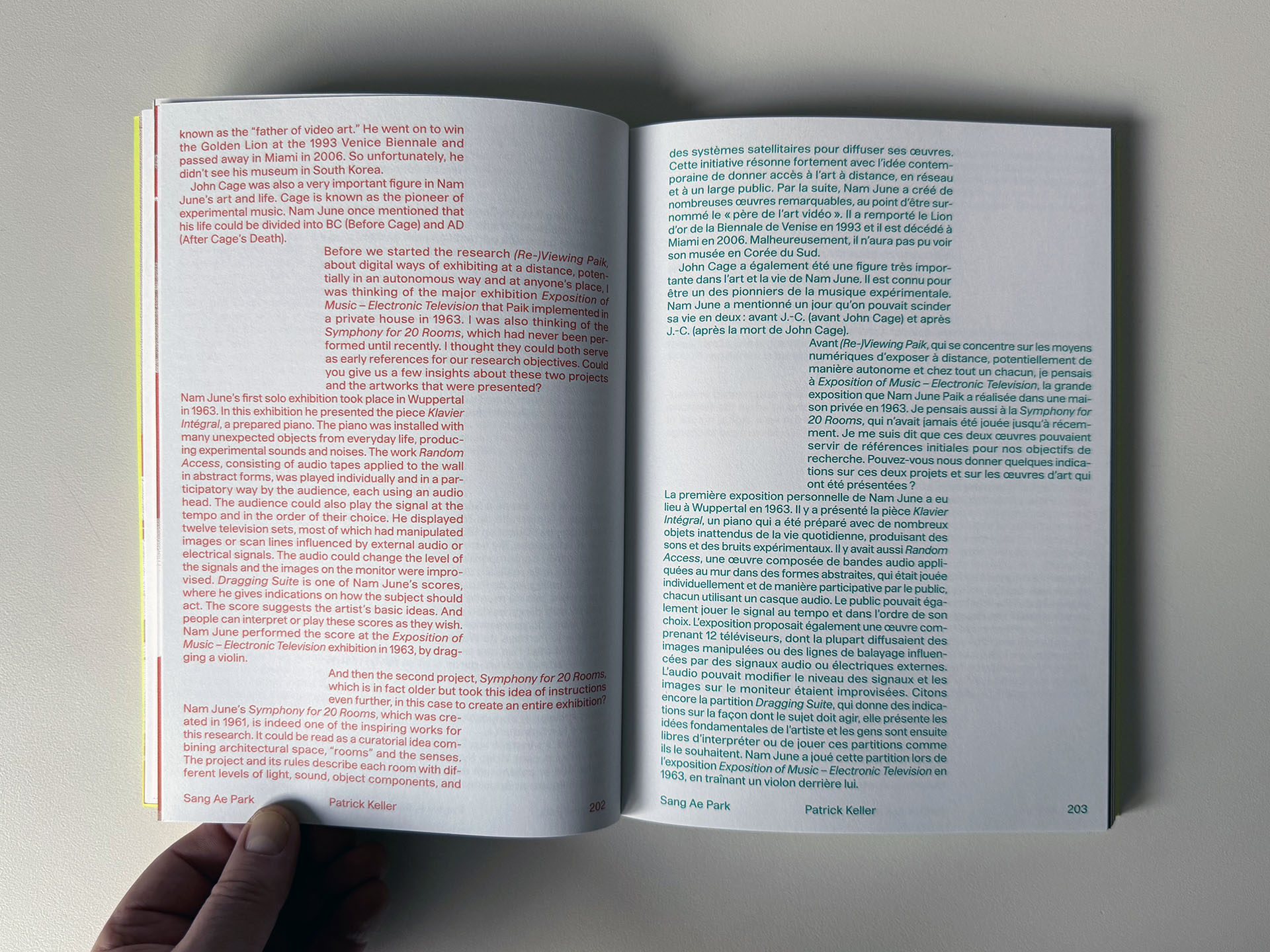
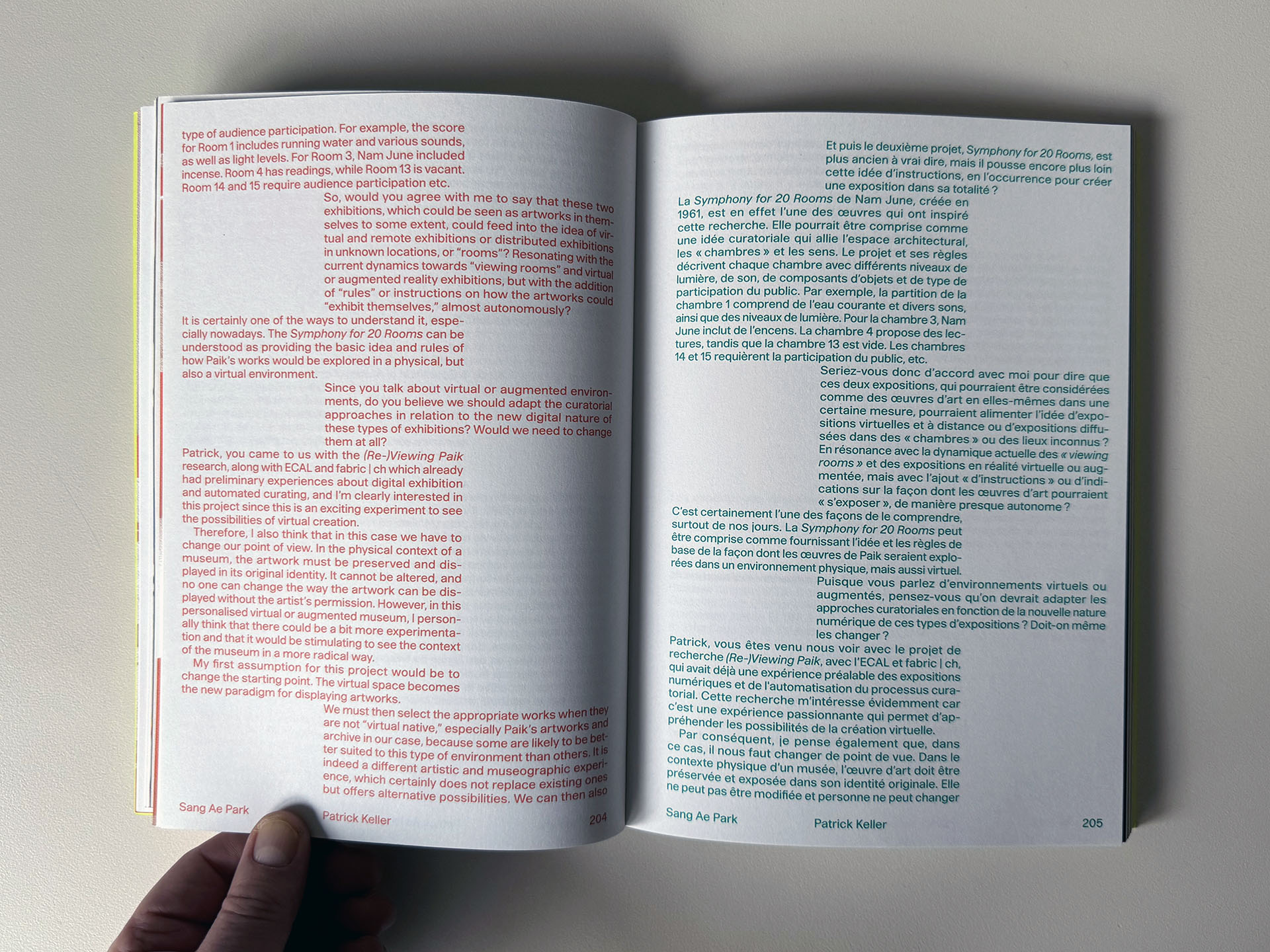
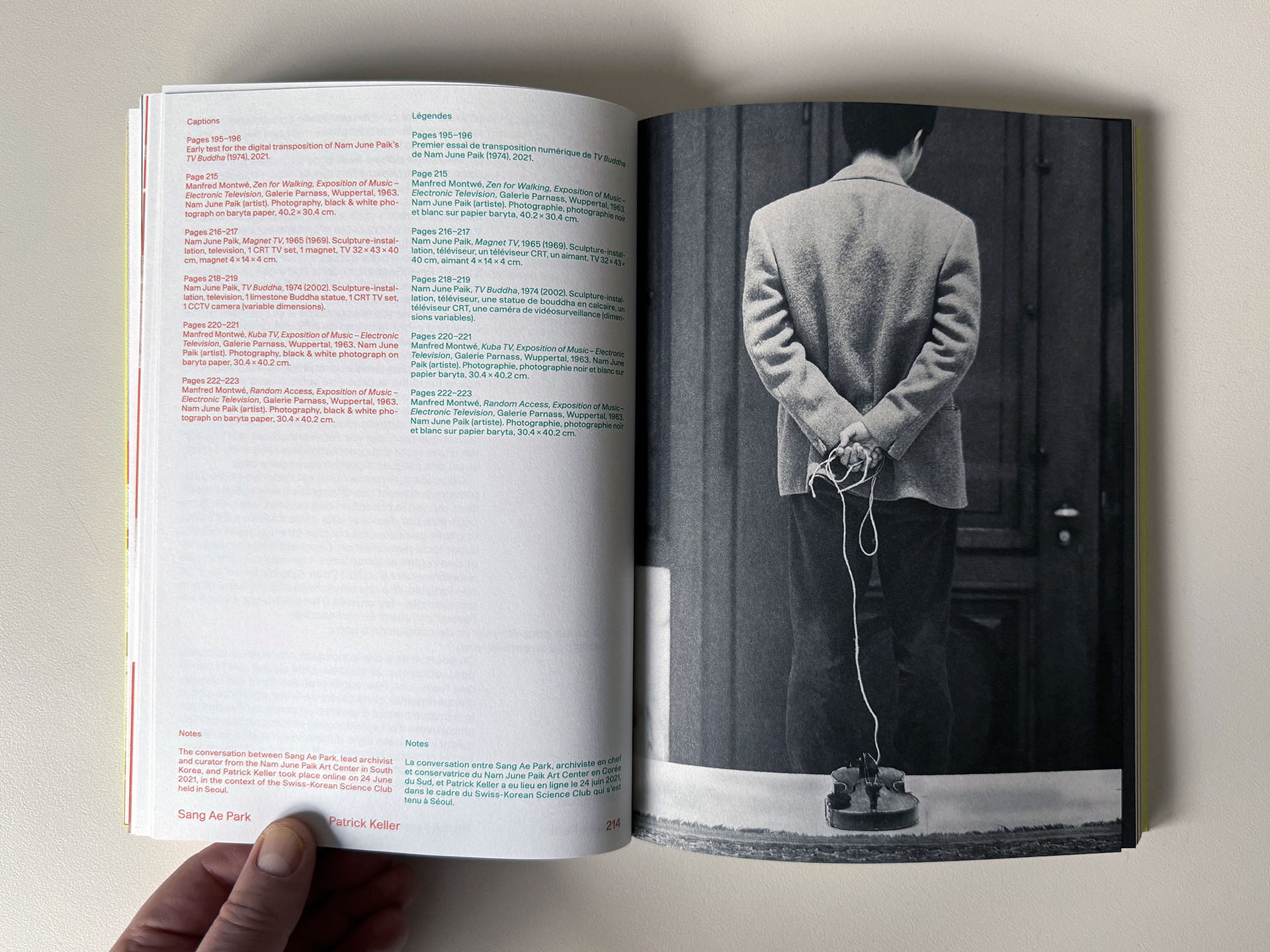
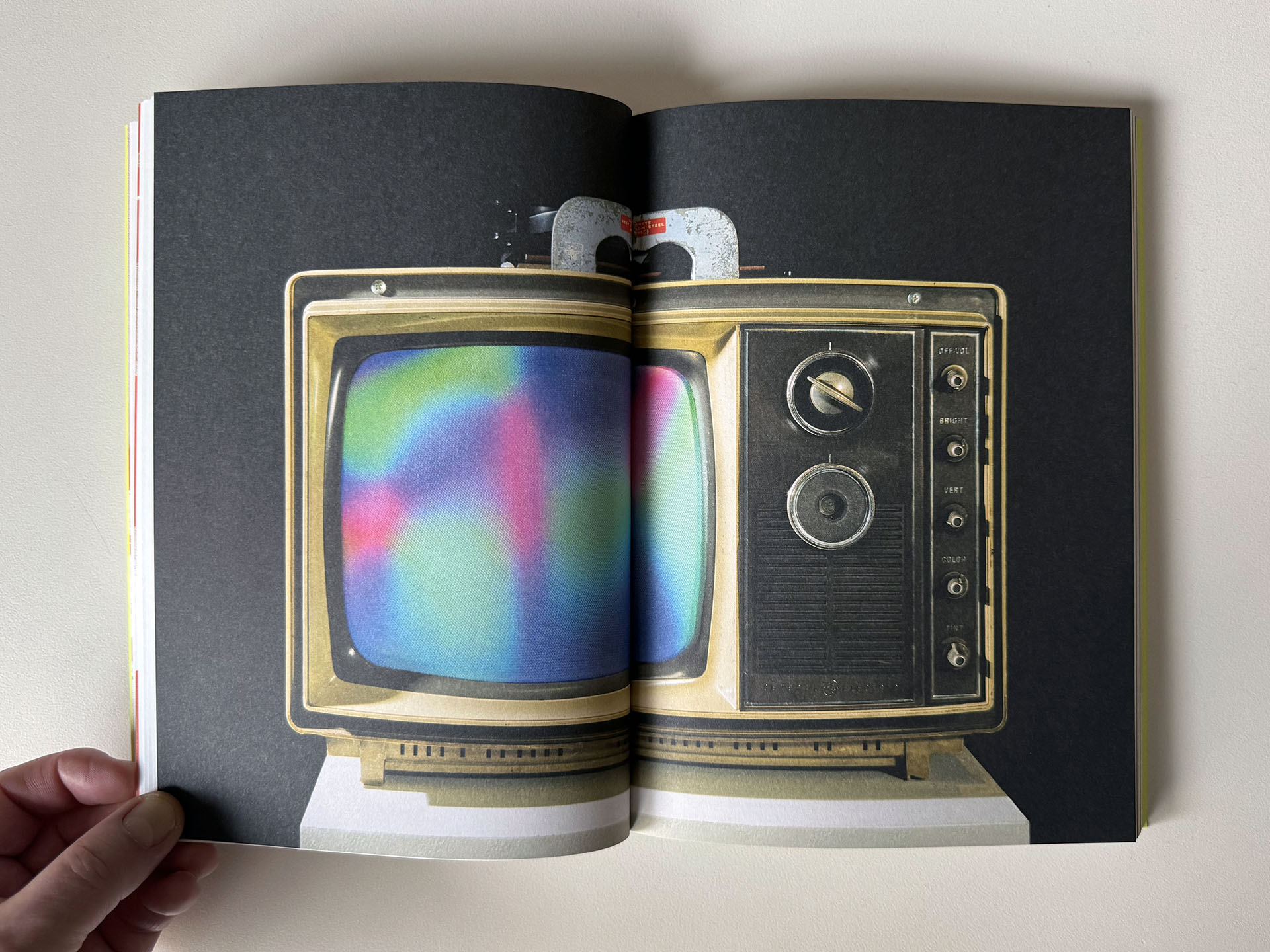
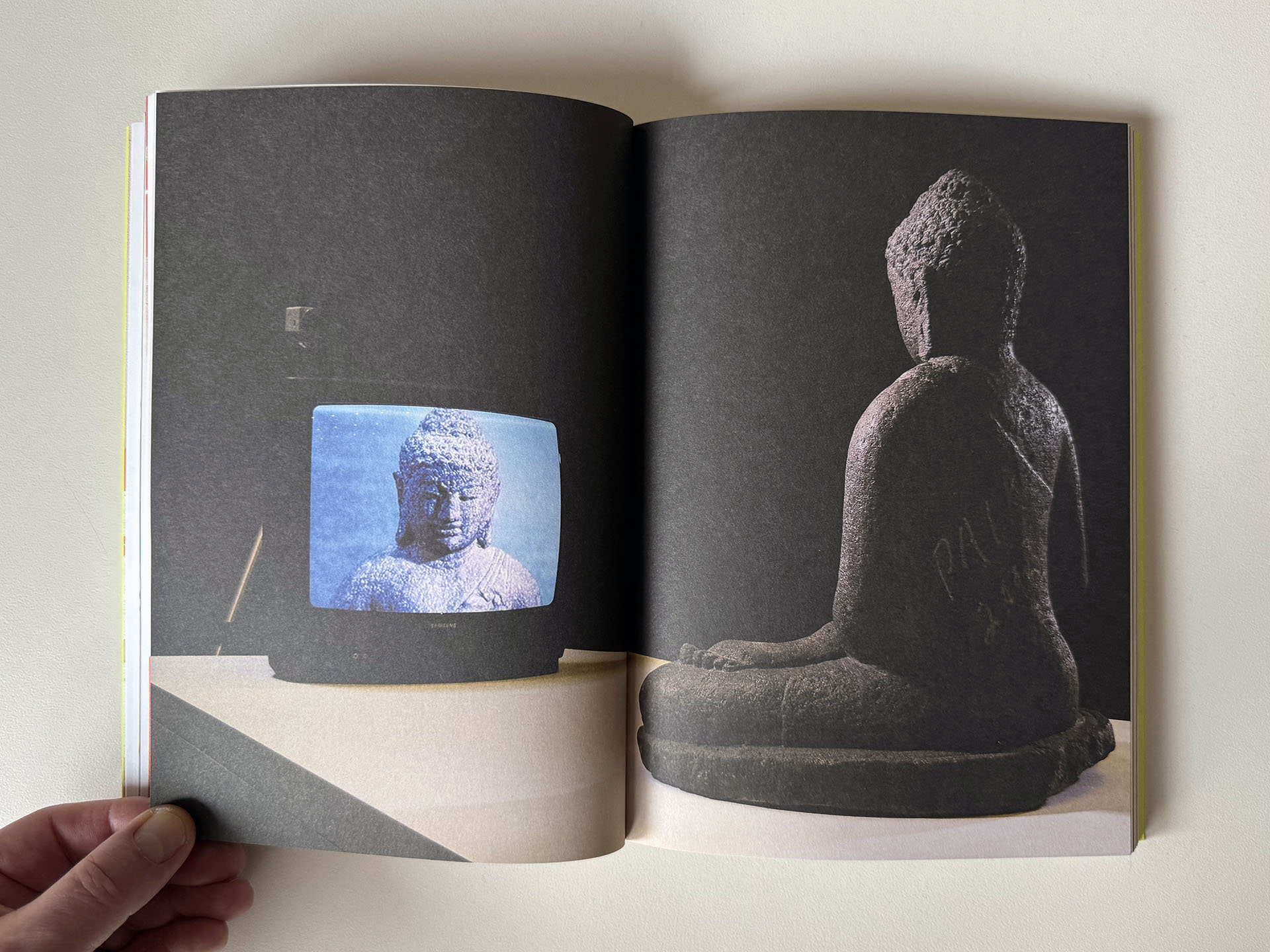
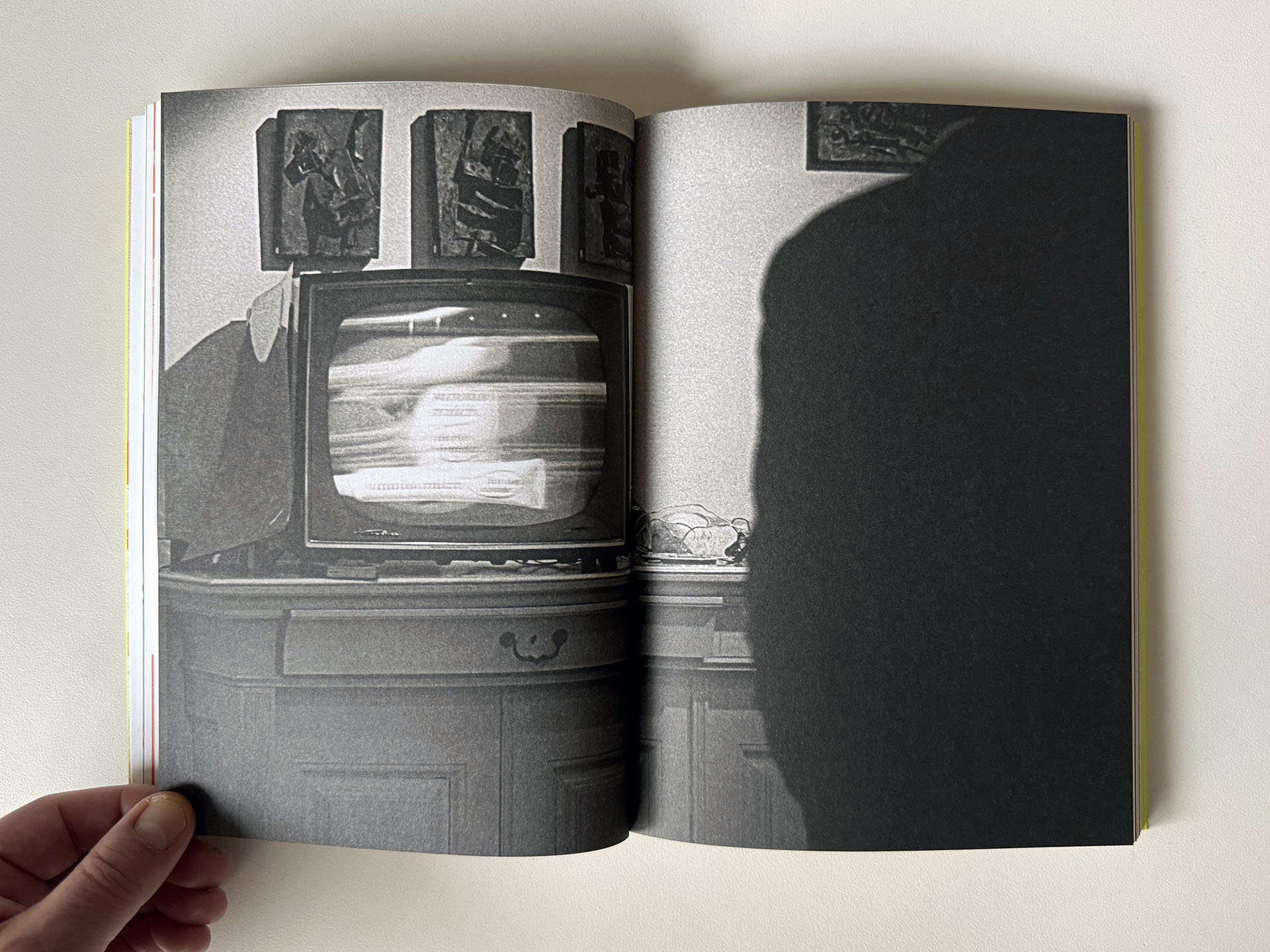
Mnemosyne – History and Research in Arts and Design / (Re)Viewing Paik | #paik #digitization #digitalexhibition
Note: as part of a year-long preliminary research into digital exhibitions, we teamed up with the Nam June Paik Art Center (South Korea) - and their incredible collection and archive of Nam June Paik's works -, as well as ECAL/University of Art and Design Lausanne, to deliver initial thoughts and proofs of concept.
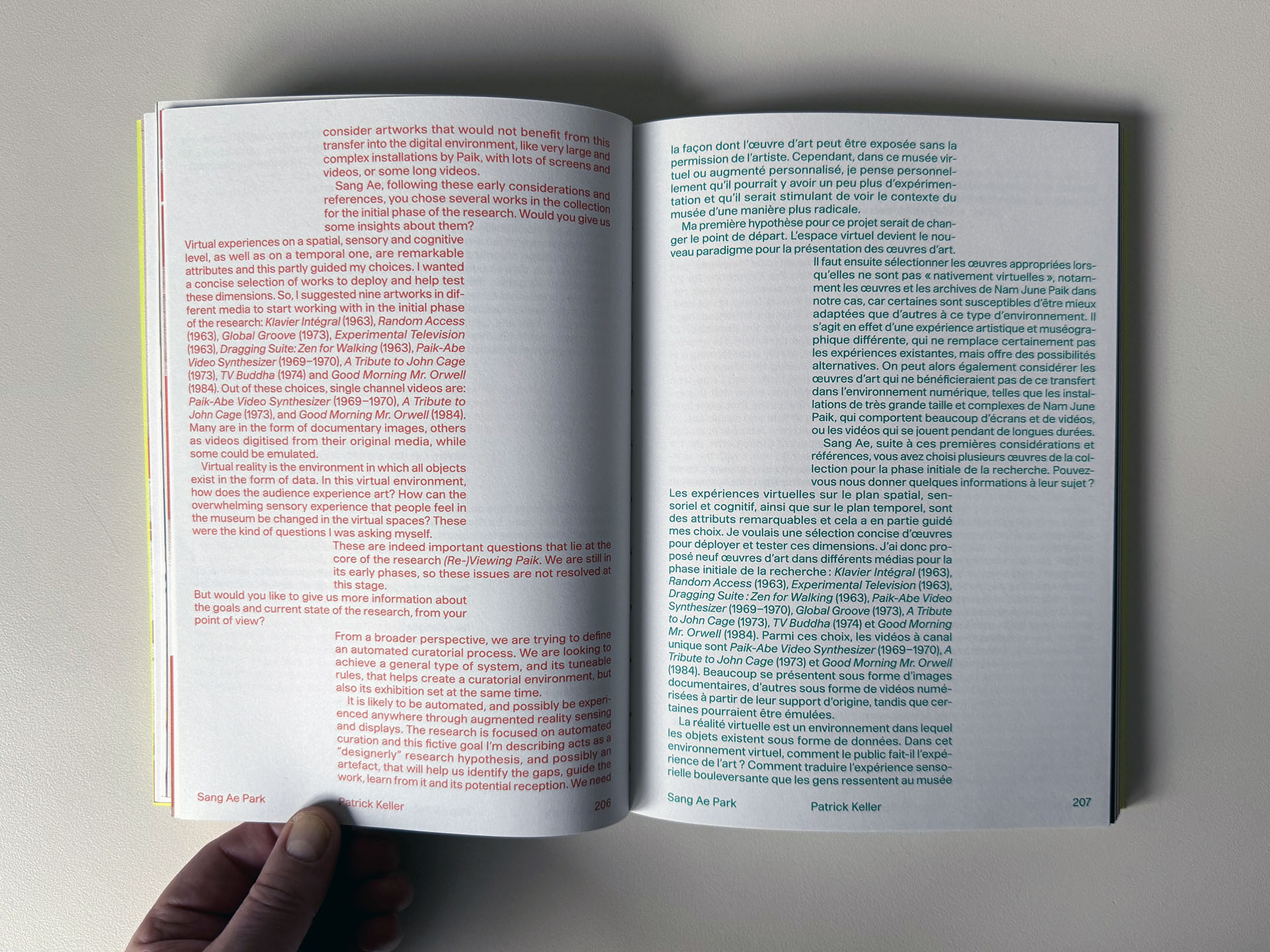
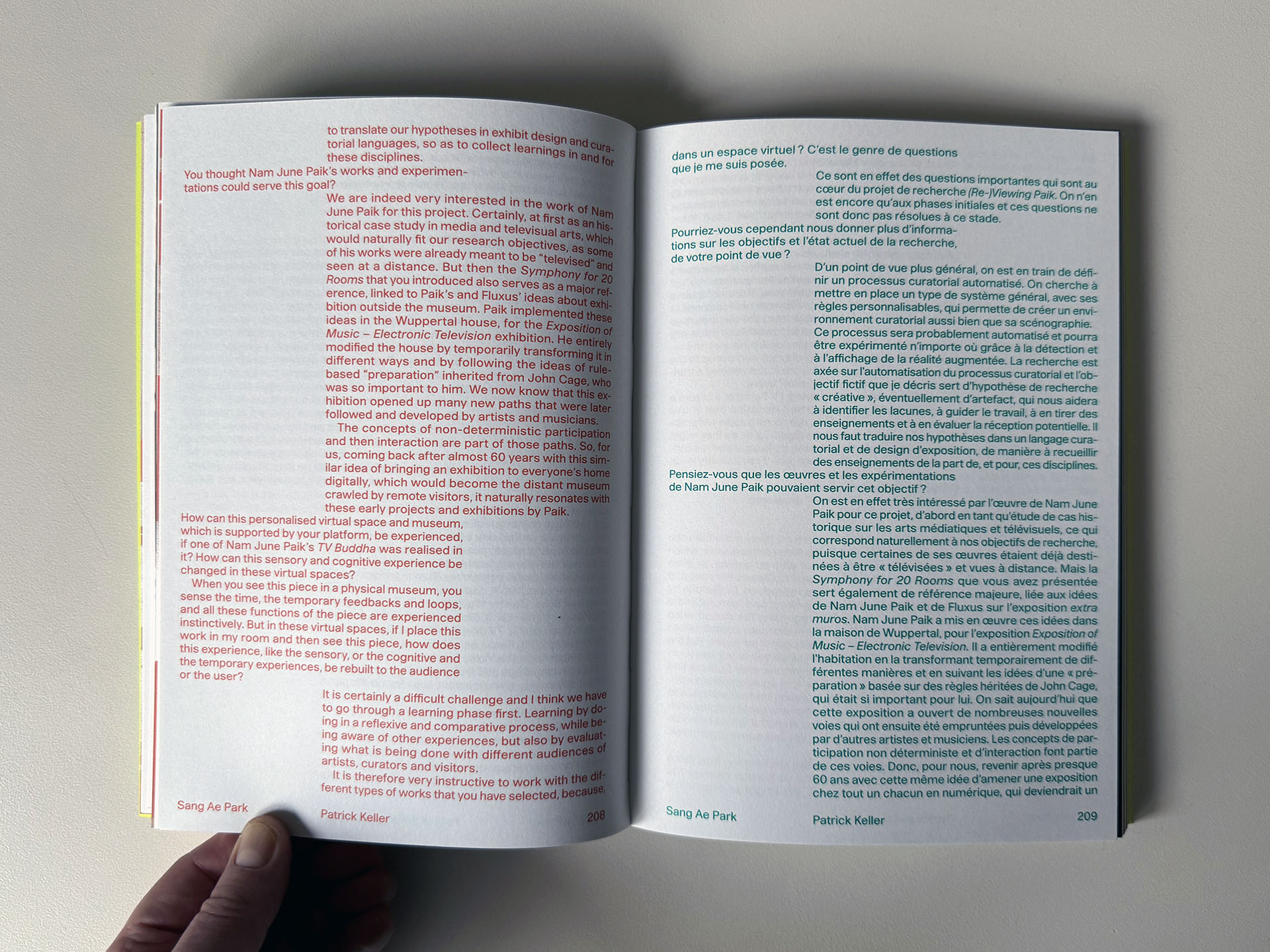
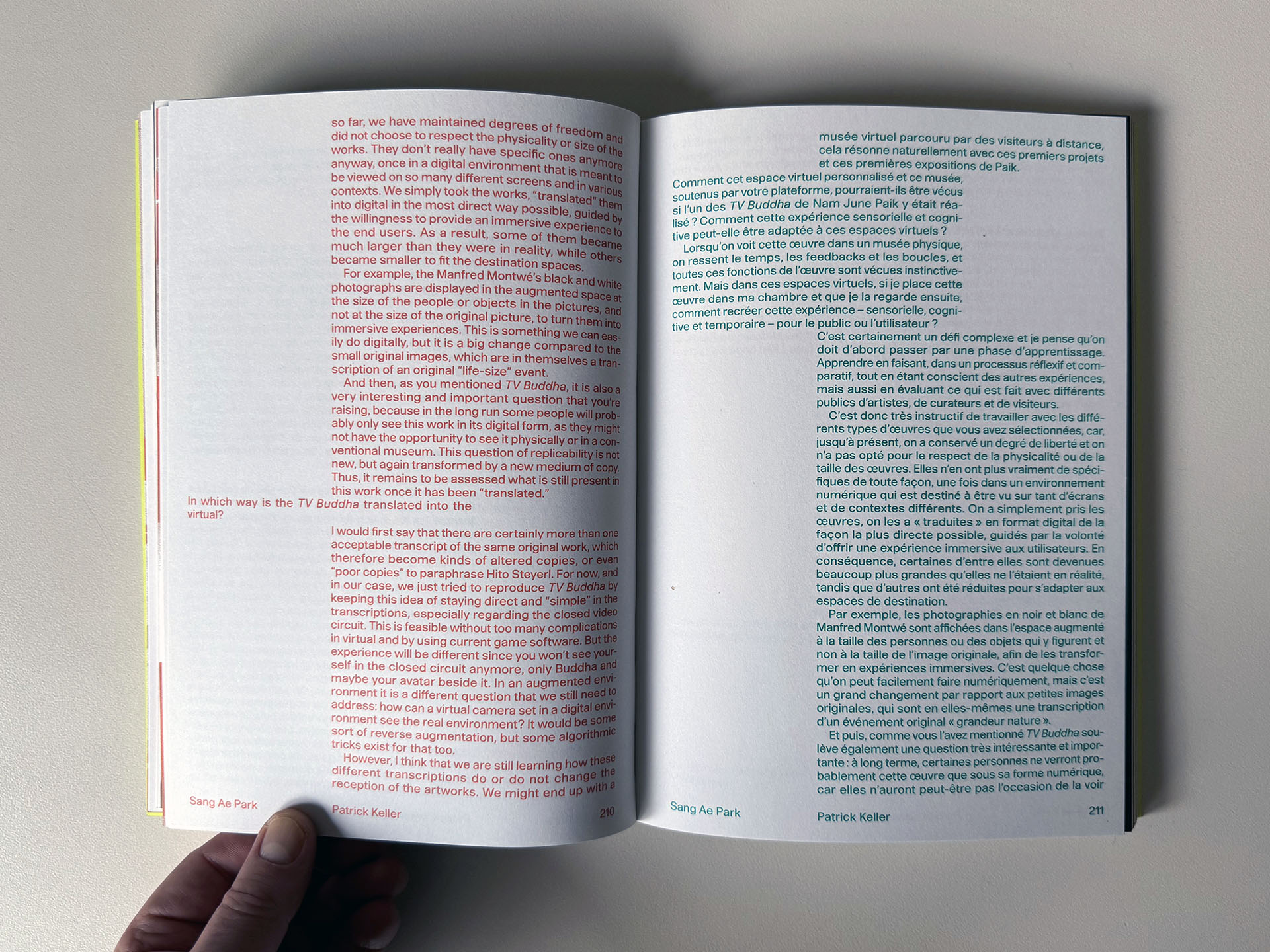
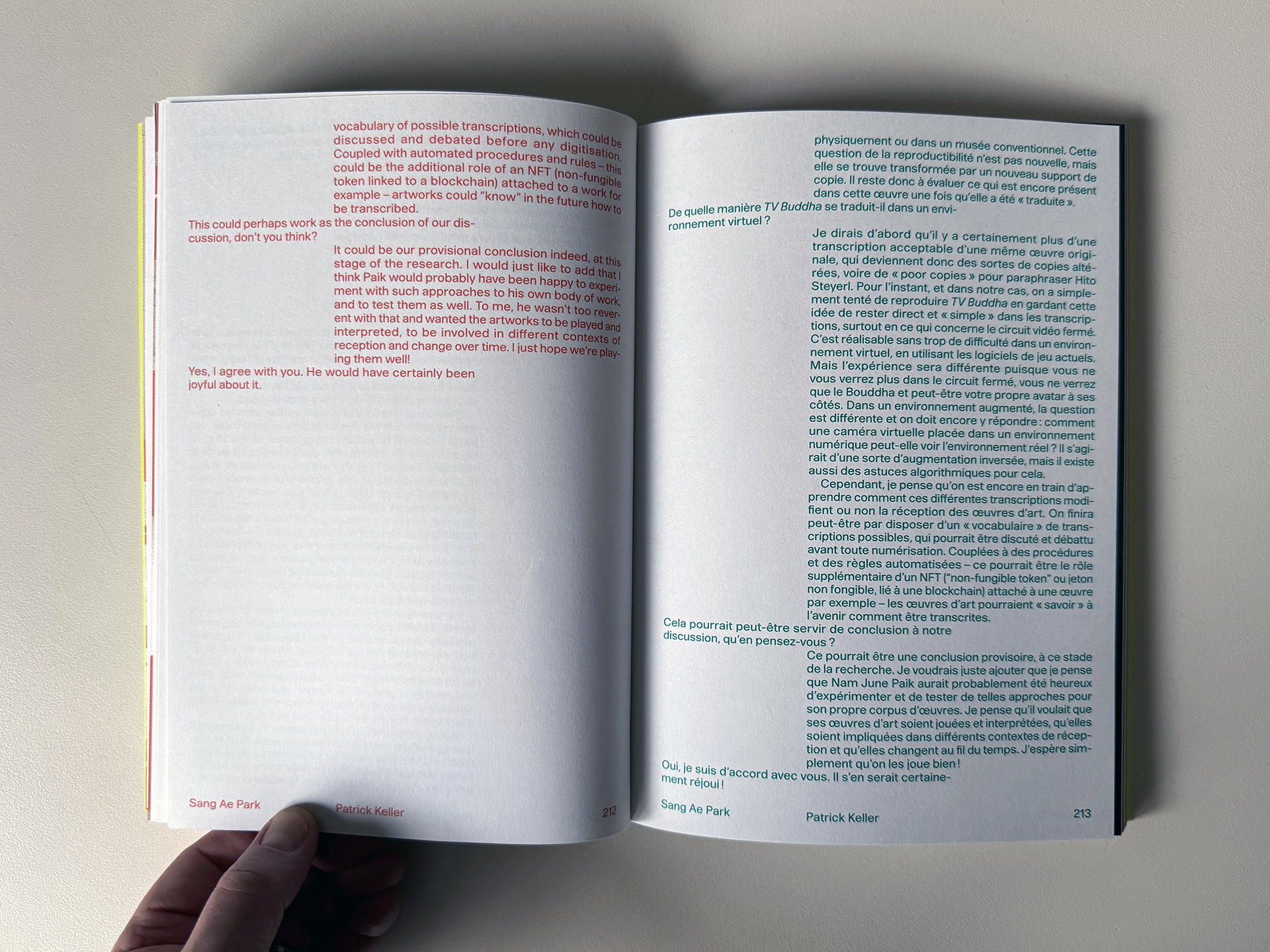
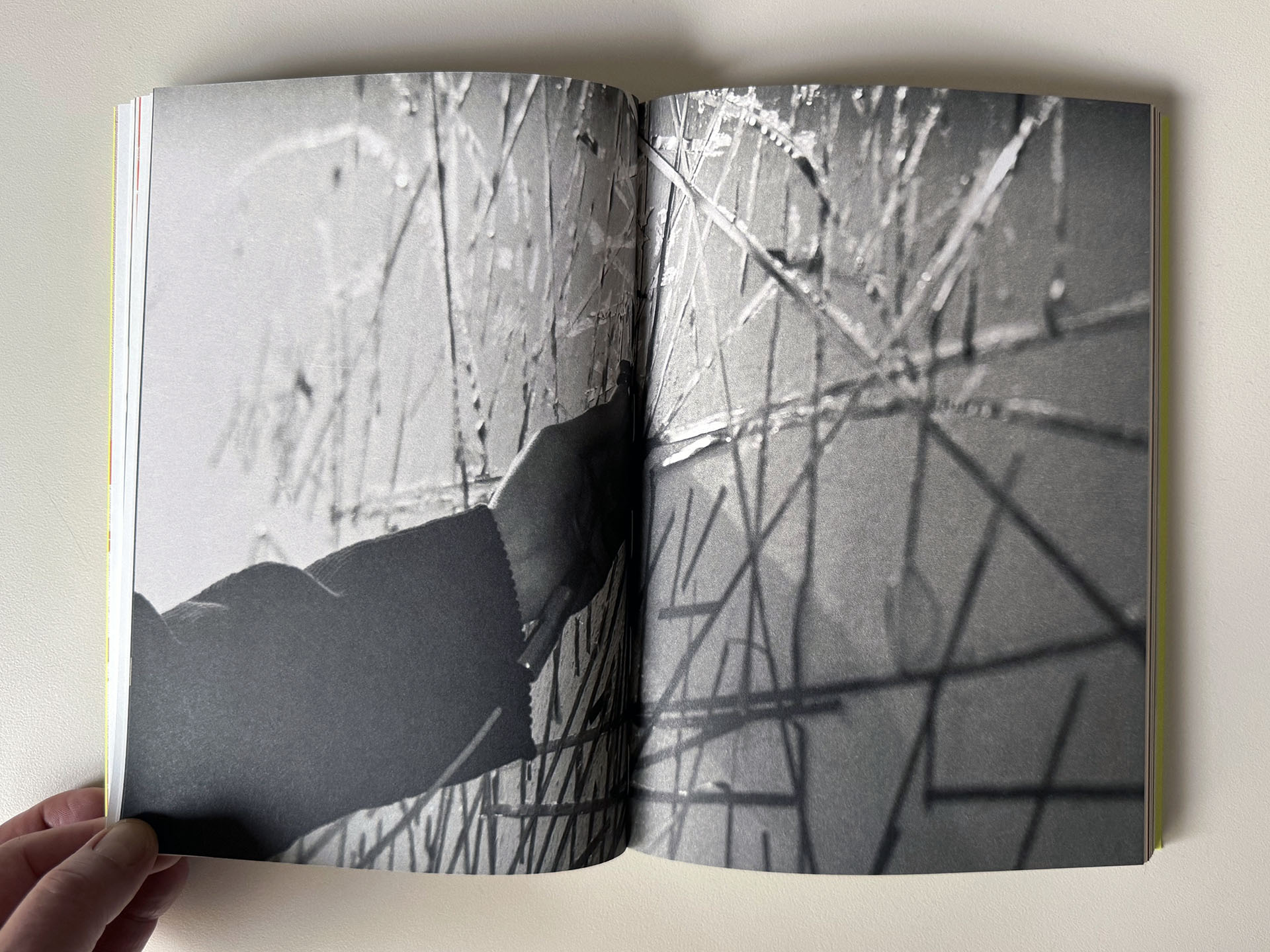
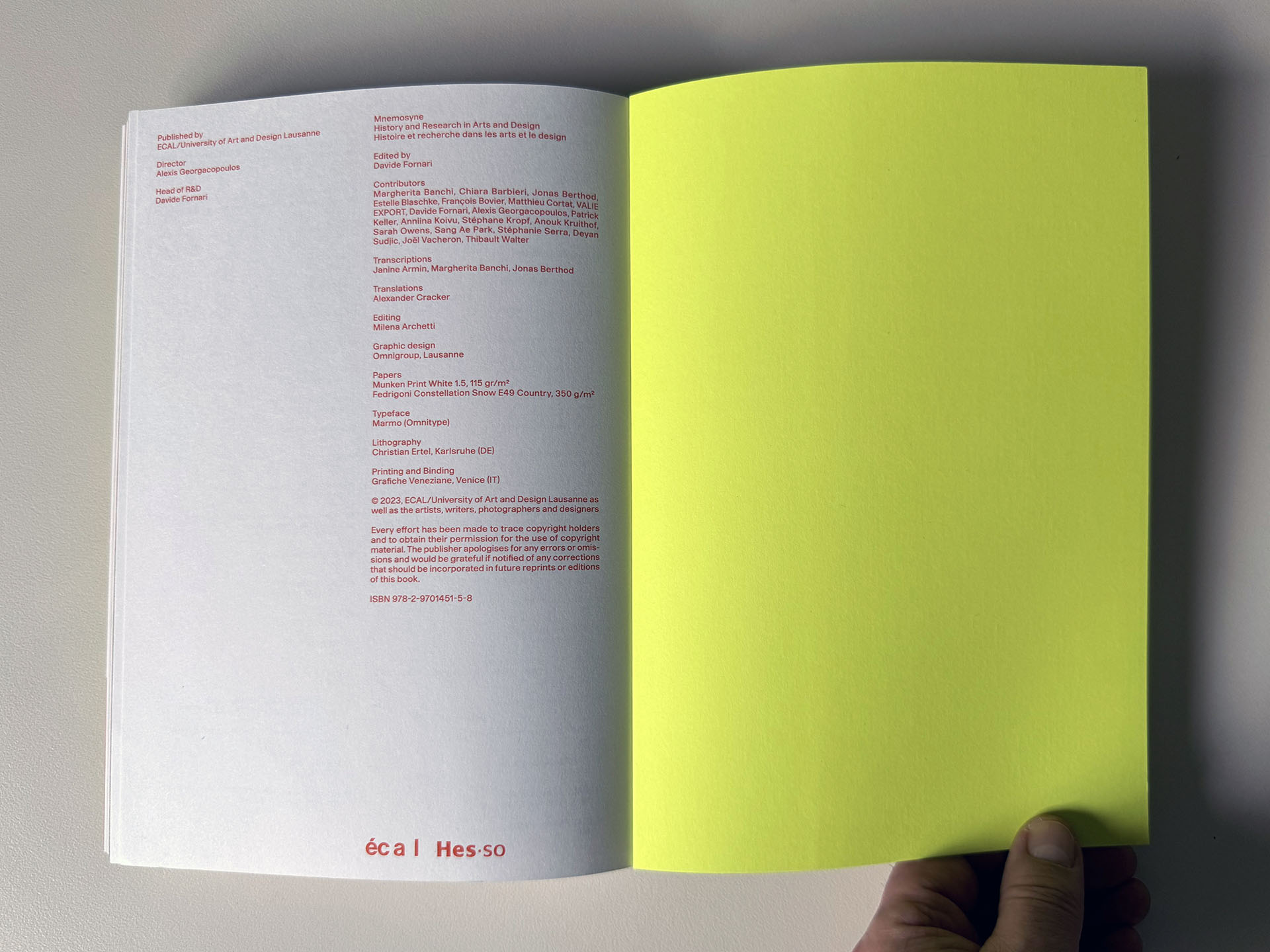
Late last year saw the publication of Mnemosyne, a book on "History and Research in Arts and Design" (ed. Davide Fornari, published by ECAL/University of Art and Design Lausanne (HES-SO)).
In this context, I had the chance to be in conversation with NJPAC curator Sang Ae Park about this joint research. Among other topics, we discussed the unrealized piece – at the time – "Symphony for 20 rooms" (1961) by Nam June Paik as a potential inspiration for "remote" exhibitions, at home.
This discussion gave ground to the paper "A Symphony for Nam June Paik, Digitally" (below), while this preliminary research is likely to continue in the form of a longer-term research.
-----
By Patrick Keller

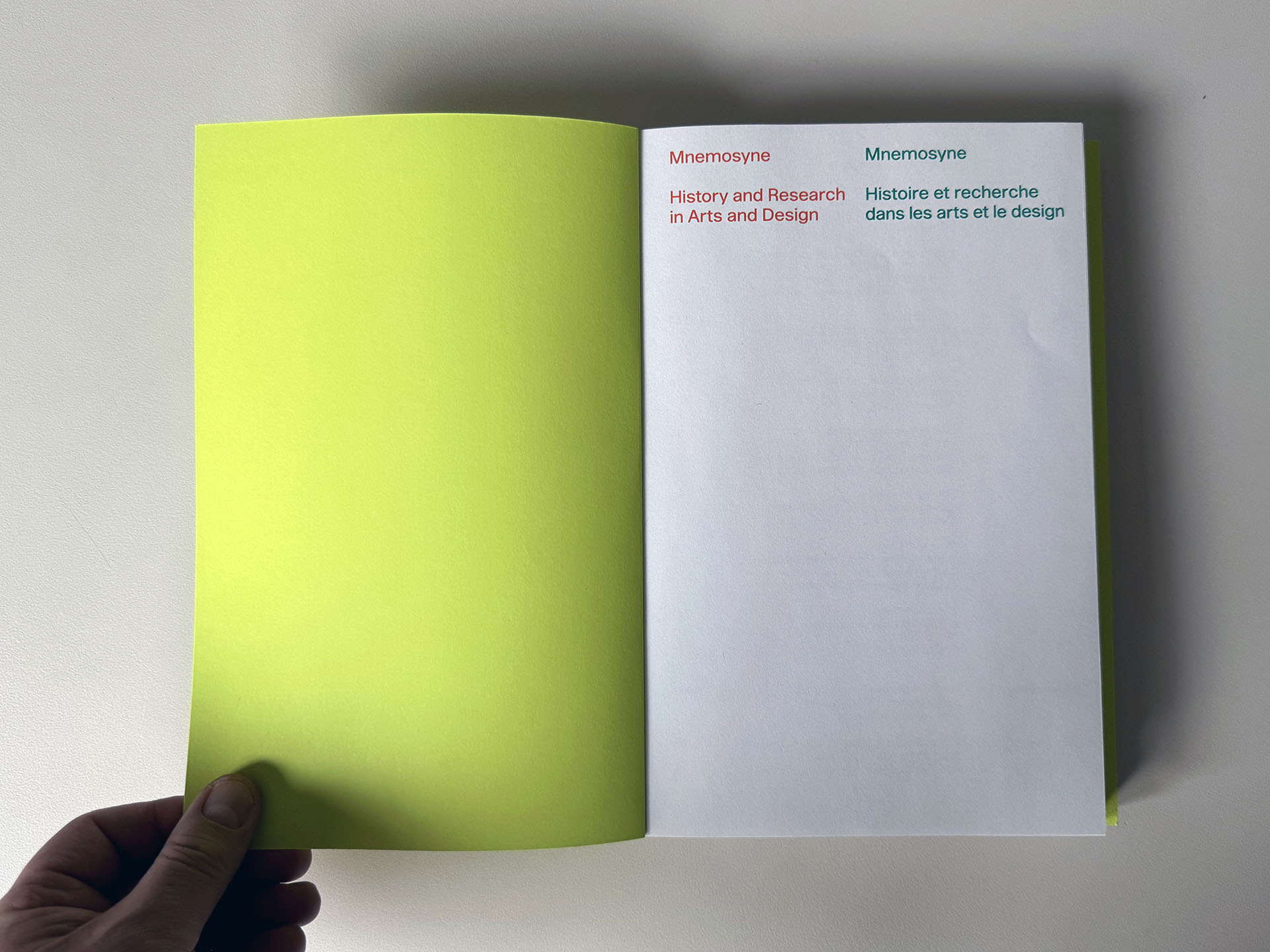


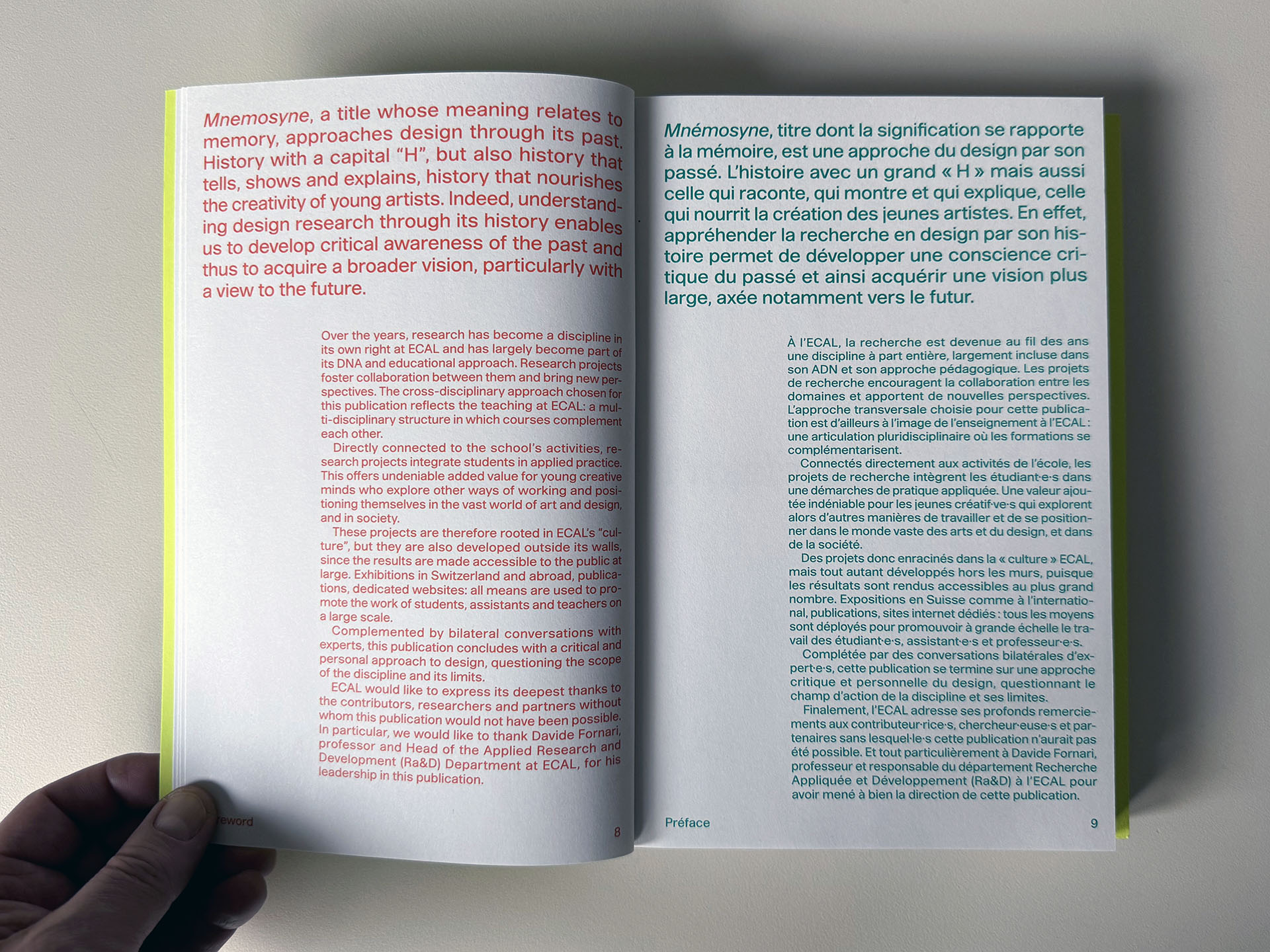
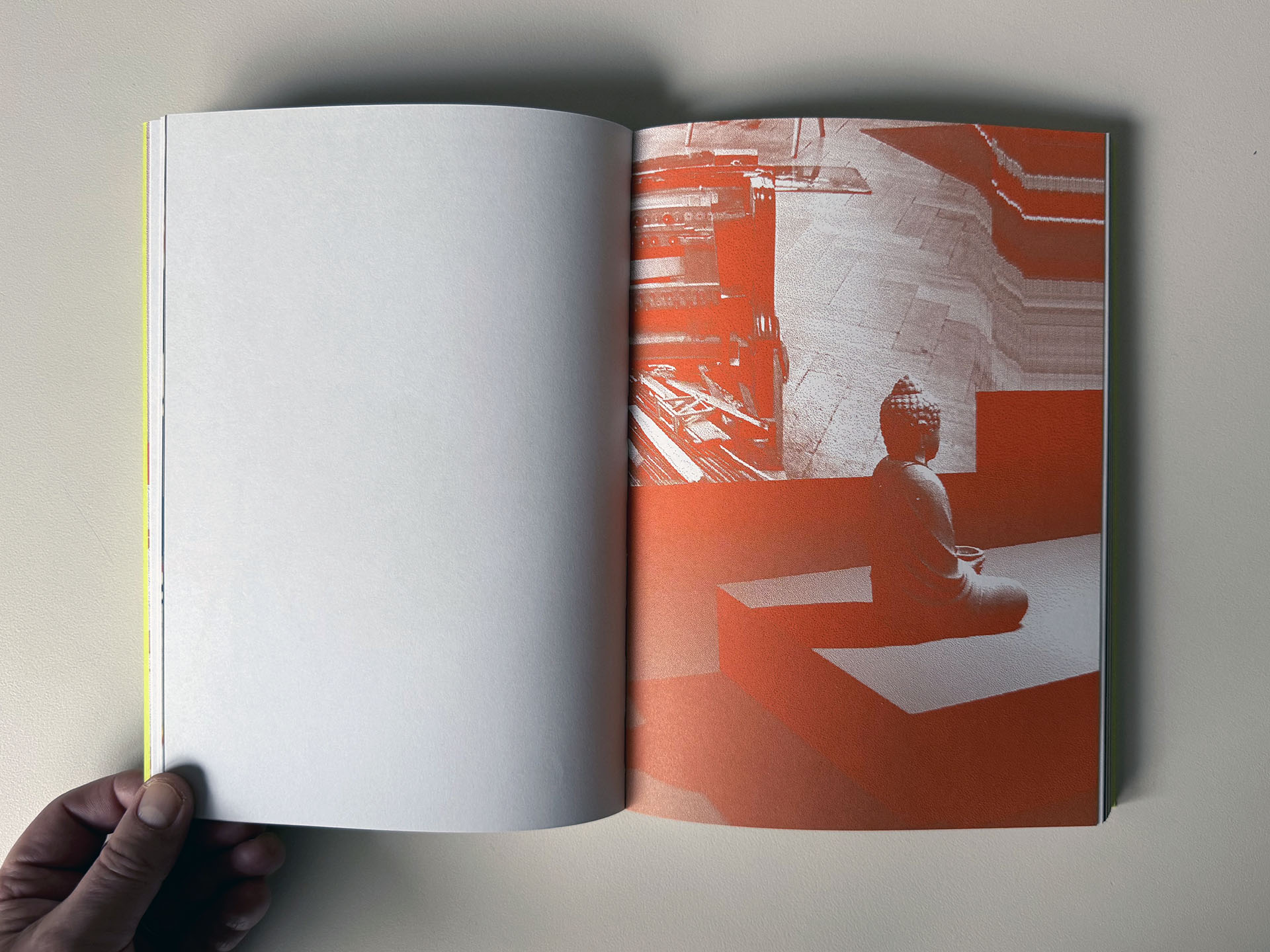


Wednesday, November 29. 2023
Architecture & Landscape Award 2023 from Fondation Vaudoise pour la Culture (FVPC) | #award #fabricch #architecture #interaction #research
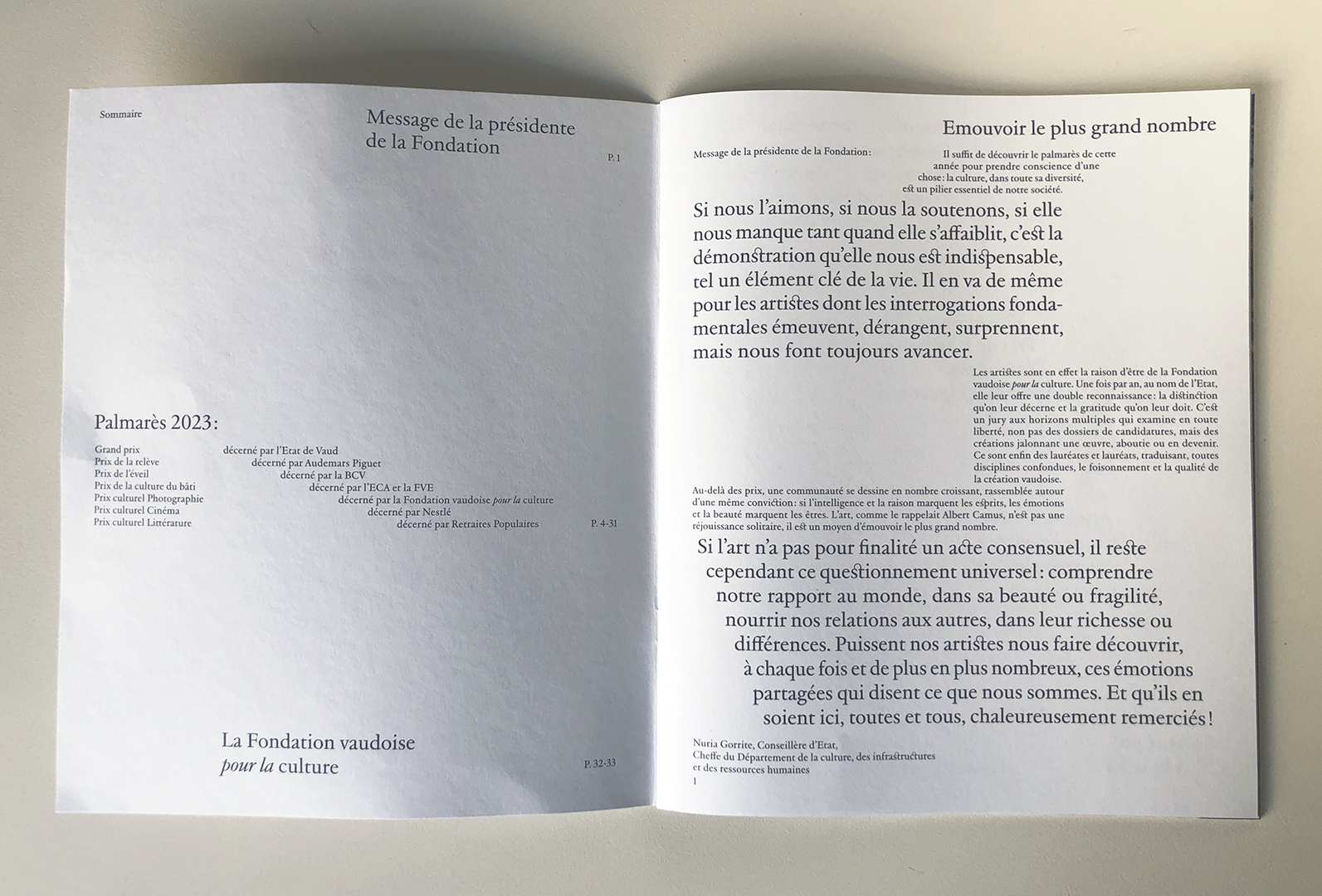
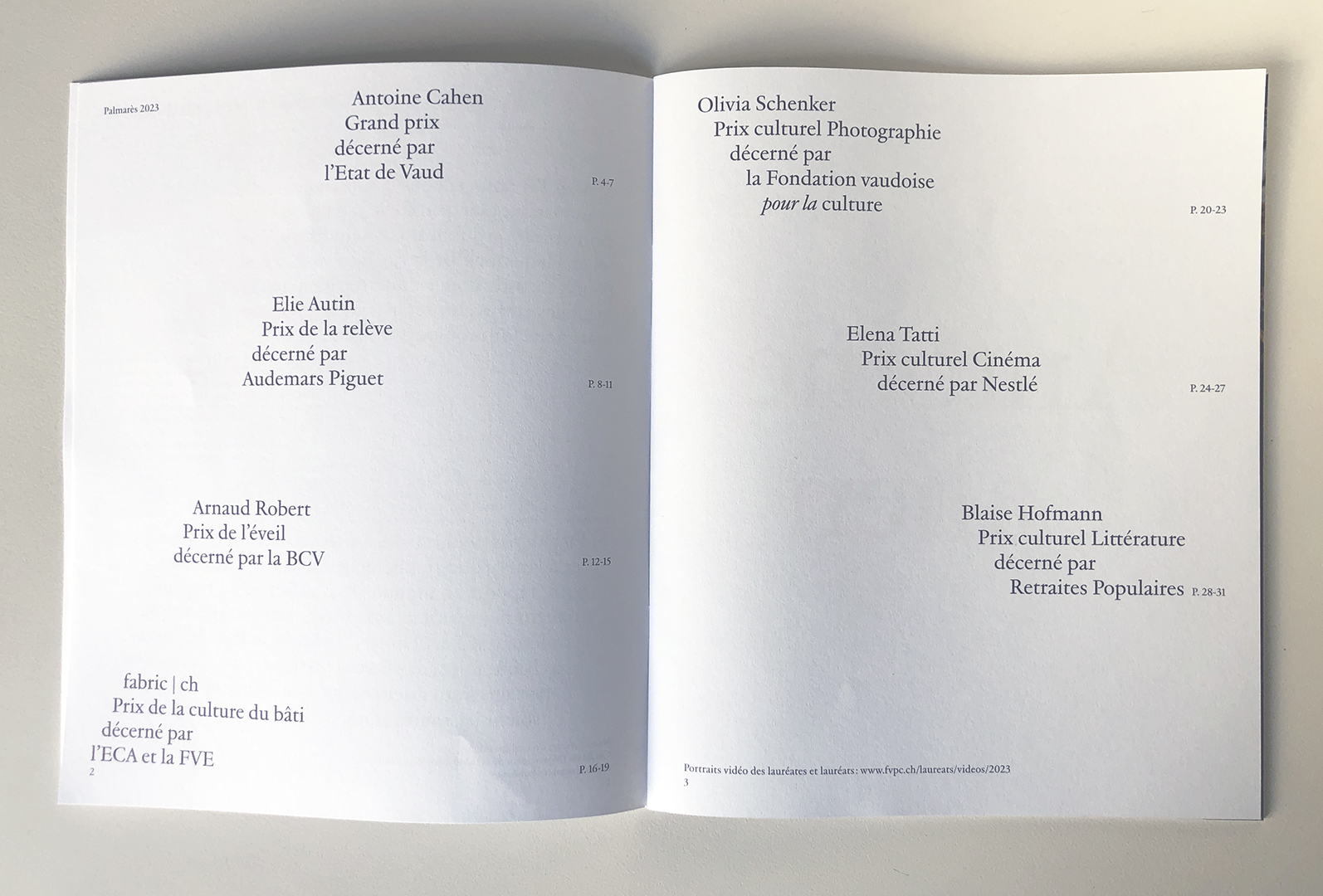
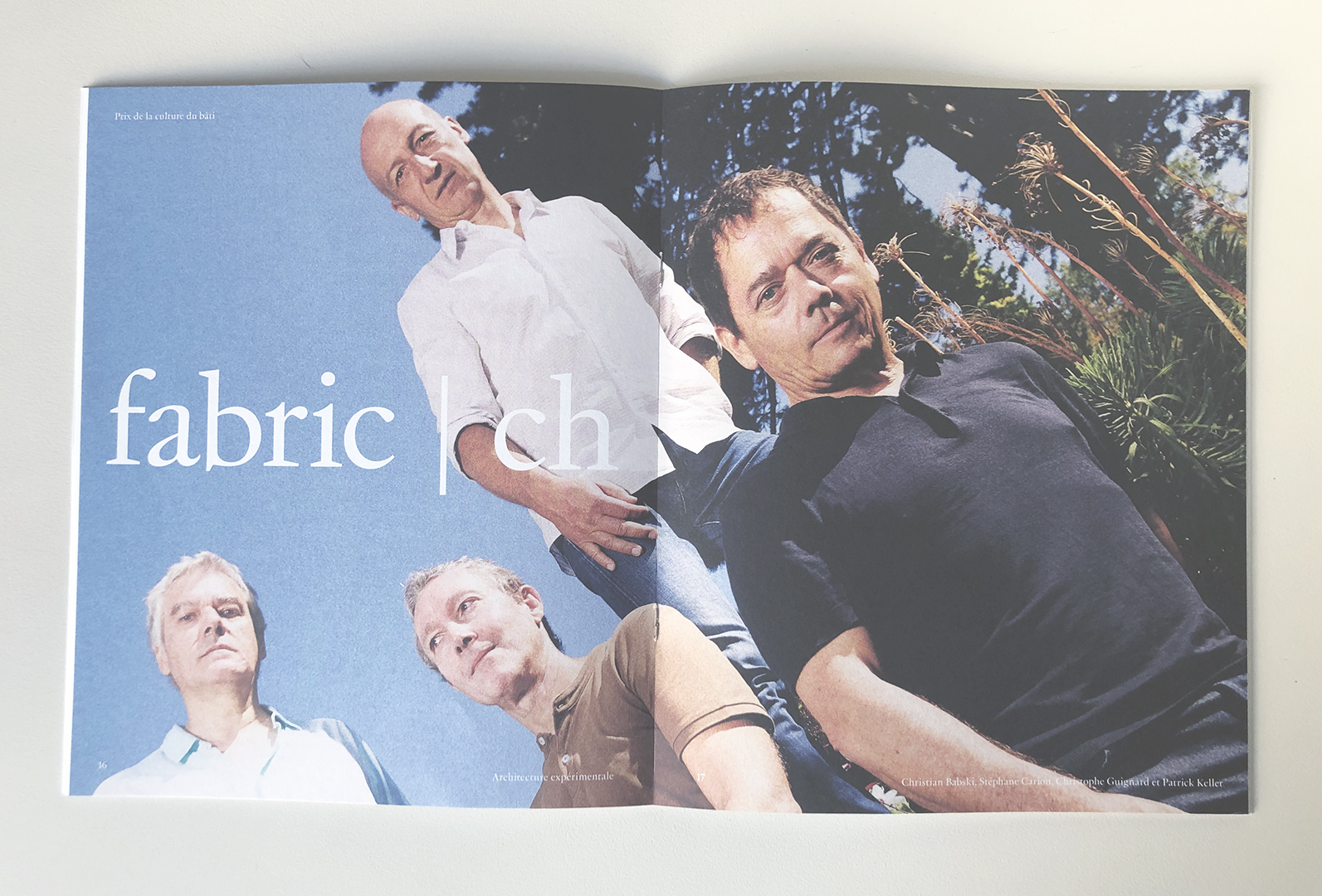
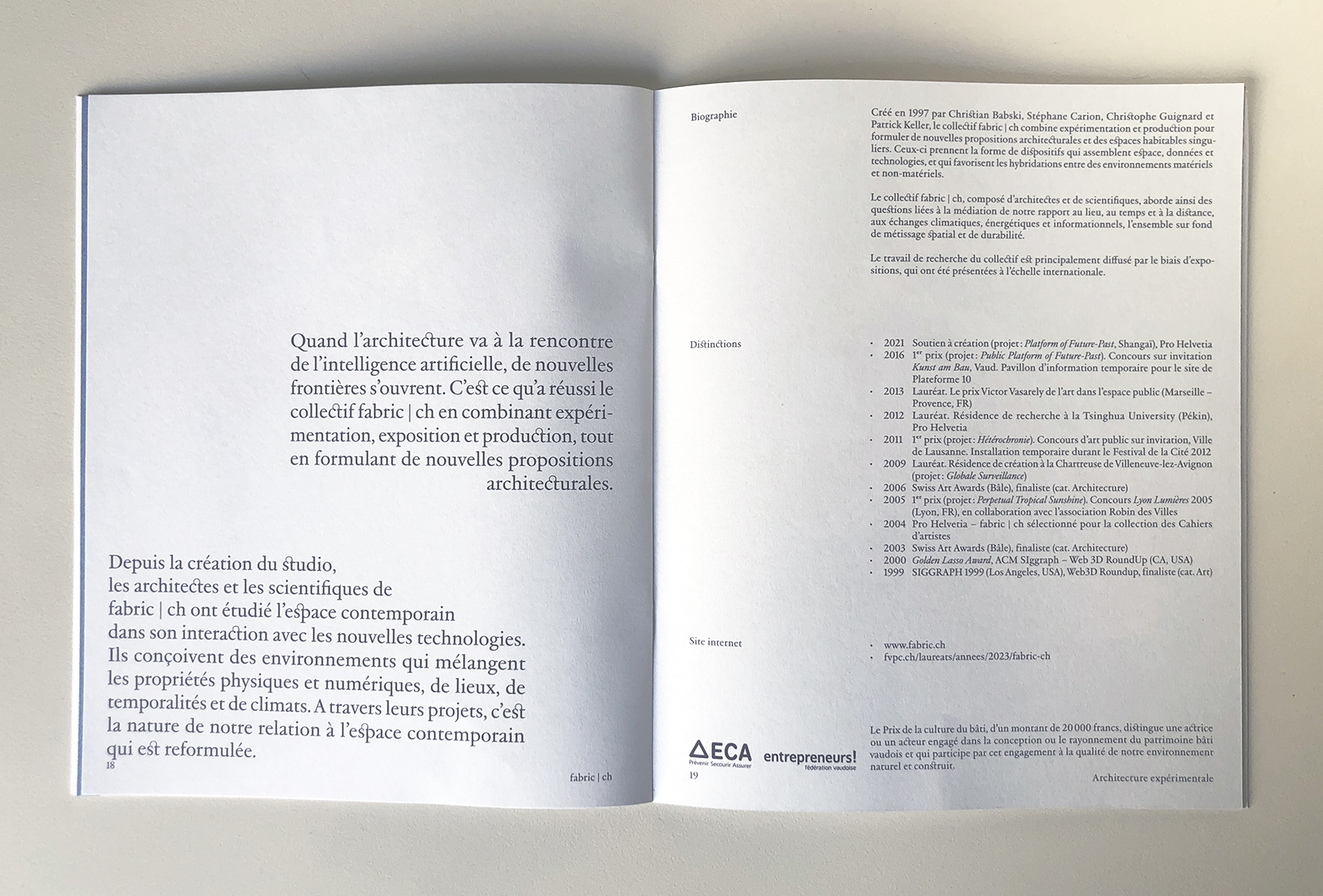
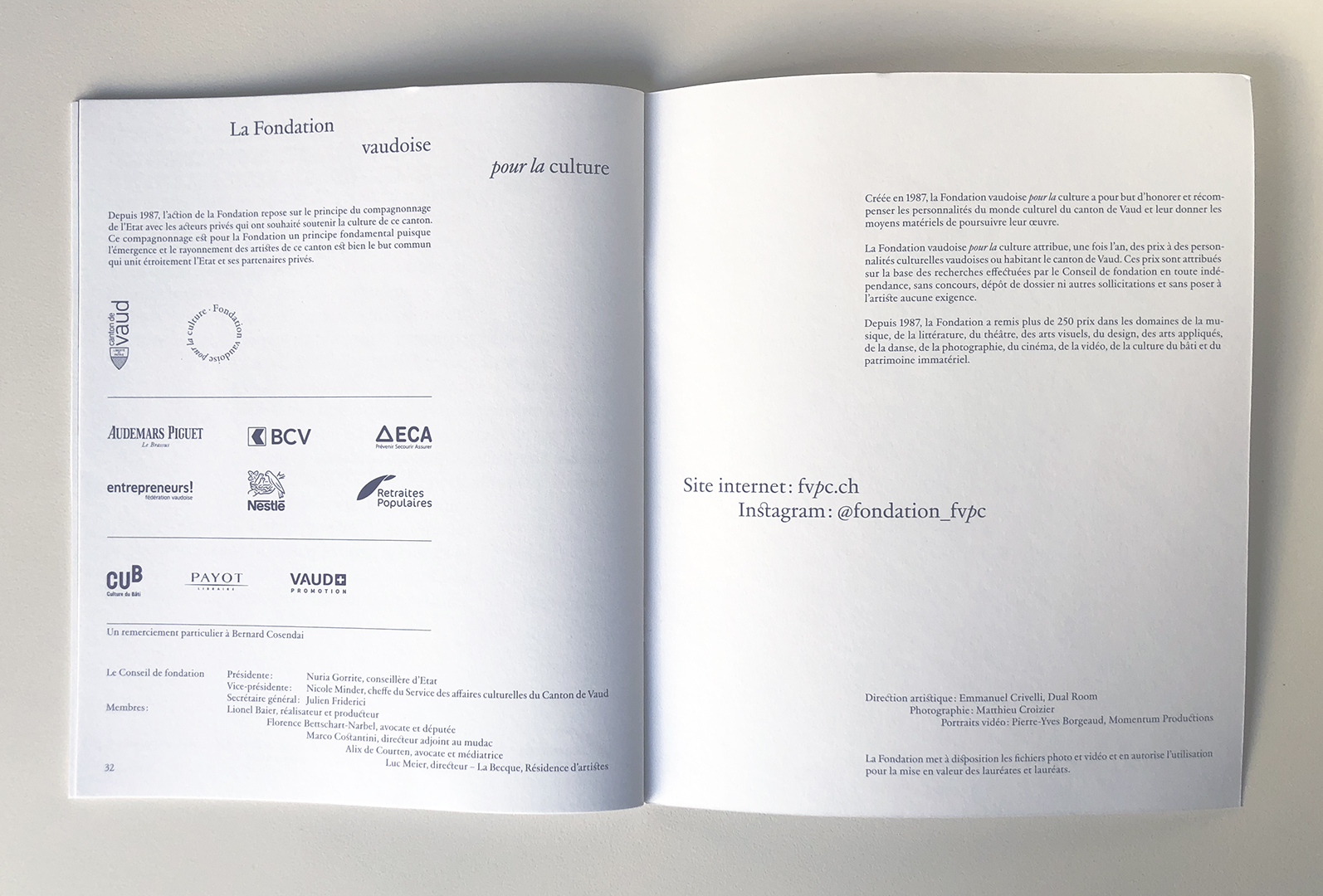
Note: fabric | ch was honored to receive this year the Award for Architecture and Landscape Culture from the Fondation vaudoise pour la culture (FVPC).
The price distinguishes an actor who is "involved in the design or promotion of built environment and who, through this commitment, contributes to the quality of our natural, [digital] and built environment".
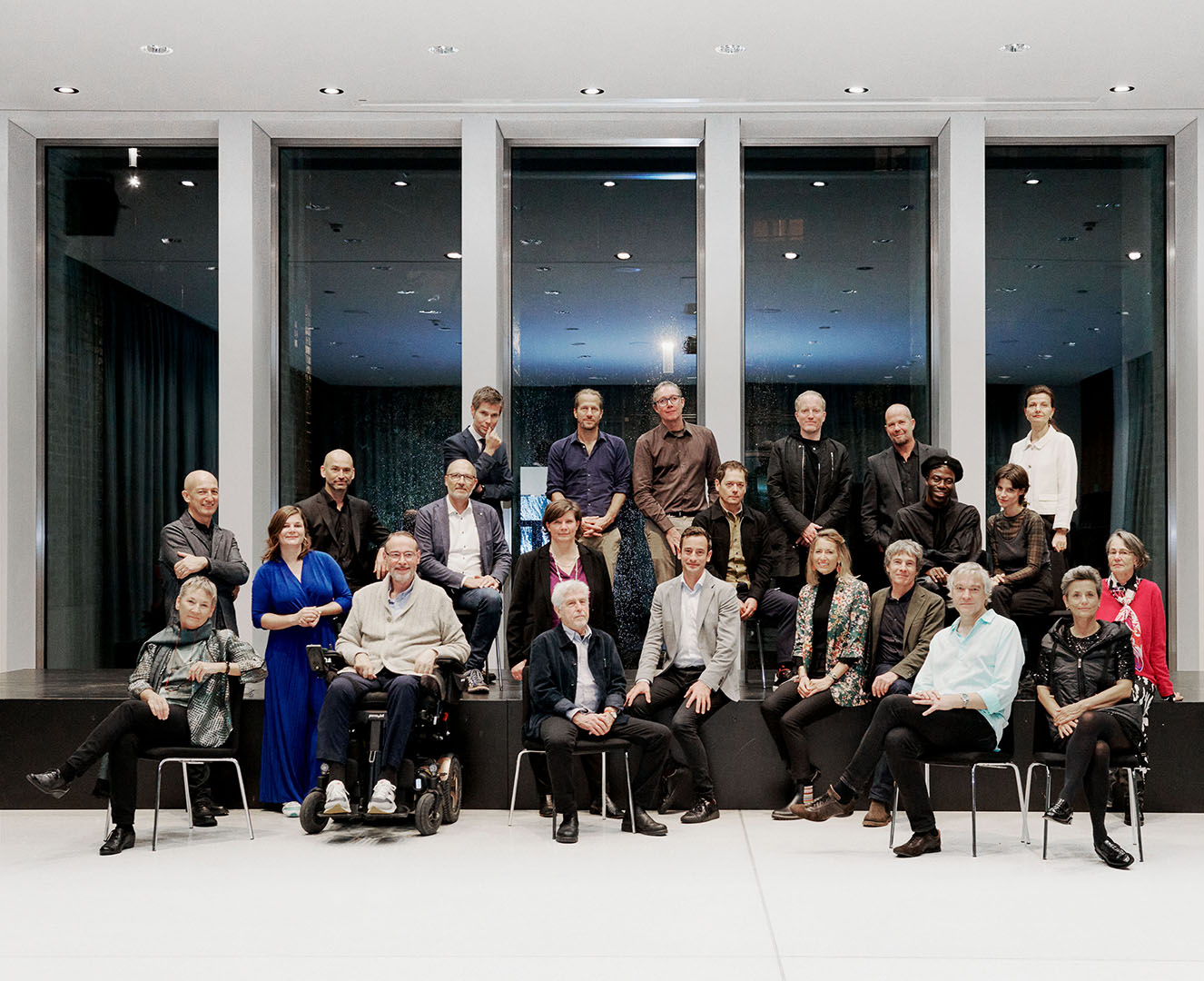
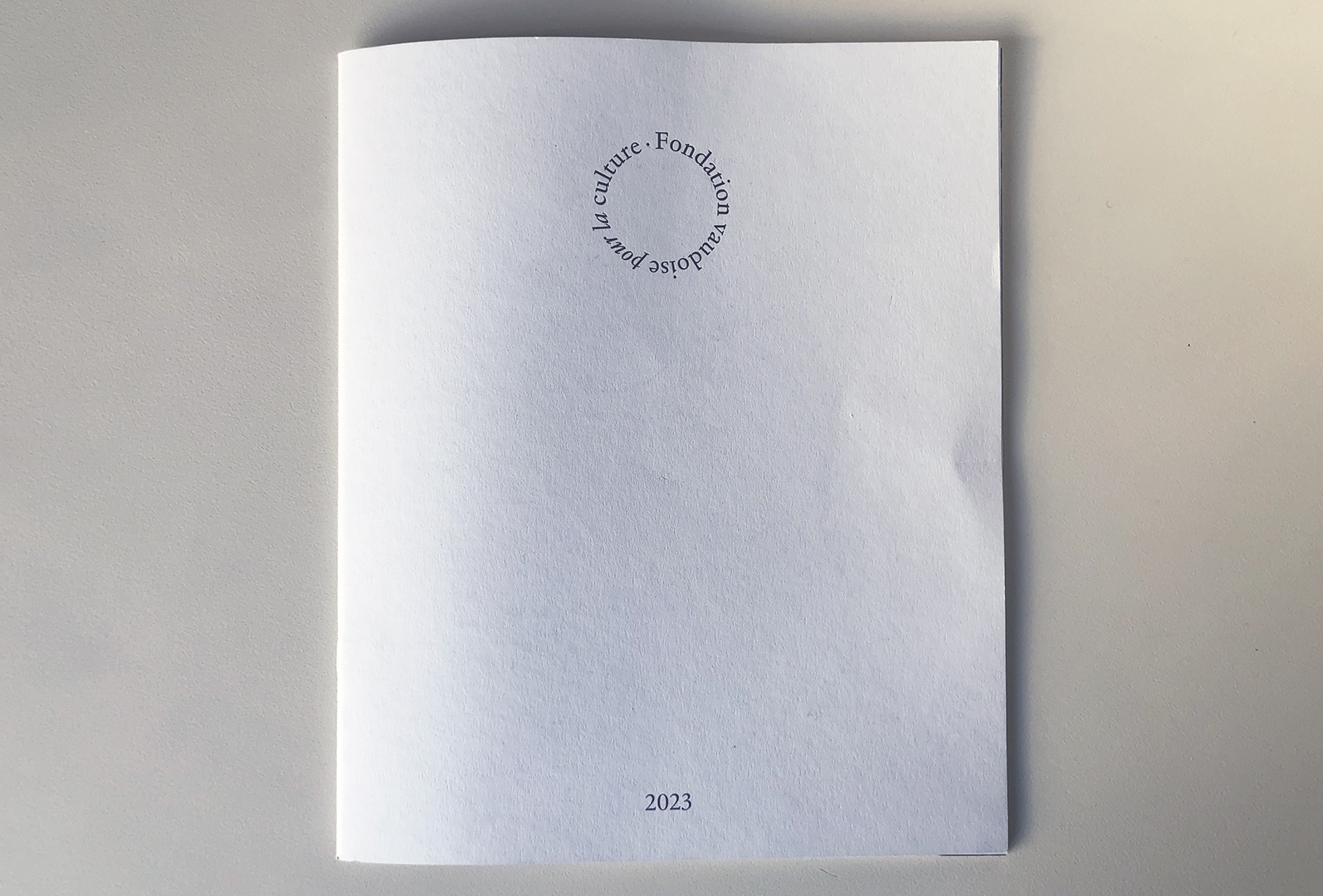
A brief video portait of fabric | ch was produced on this occasion by director Pierre-Yves Borgeaud, as well as a small publication by Art Director Emmanuel Crivelli and photographic portraits by Matthieu Croizier (see below).
We'd like to thank the foundation and its jury for awarding our studio in 2023!
-----
By fabric | ch
---
---

---
... and for the record,
our bit of the award ceremony!
fabric | rblg
This blog is the survey website of fabric | ch - studio for architecture, interaction and research.
We curate and reblog articles, researches, writings, exhibitions and projects that we notice and find interesting during our everyday practice and readings.
Most articles concern the intertwined fields of architecture, territory, art, interaction design, thinking and science. From time to time, we also publish documentation about our own work and research, immersed among these related resources and inspirations.
This website is used by fabric | ch as archive, references and resources. It is shared with all those interested in the same topics as we are, in the hope that they will also find valuable references and content in it.
Quicksearch
Categories
Calendar

|
July '25 | |||||
| Mon | Tue | Wed | Thu | Fri | Sat | Sun |
| 1 | 2 | 3 | 4 | 5 | 6 | |
| 7 | 8 | 9 | 10 | 11 | 12 | 13 |
| 14 | 15 | 16 | 17 | 18 | 19 | 20 |
| 21 | 22 | 23 | 24 | 25 | 26 | 27 |
| 28 | 29 | 30 | 31 | |||
