Wednesday, March 12. 2025
Summoning the Ghosts of Modernity at MAMM (Medellin) | #exhibition #digital #algorithmic #matter #nonmatter
Note: fabric | ch is part of the exhibition Summoning the Ghosts of Modernity at the Museo de Arte Moderno de Medellin (MAMM), in Colombia.
The show constitutes a continuation of Beyond Matter that took place at the ZKM in 2022/23, and is curated by Lívia Nolasco-Rószás and Esteban Guttiérez Jiménez.
The exhibition will be open between the 13th of March and 15th of June 2025.
-----
By fabric | ch

Atomized (re-)Staging (2022), by fabric | ch. Exhibited during Summing the Ghosts of Modernity at the Museo de Arte Moderno de Medellin (MAMM). March 13 to June 15 2025.
More pictures of the exhibtion on Pixelfed.
Friday, February 09. 2024
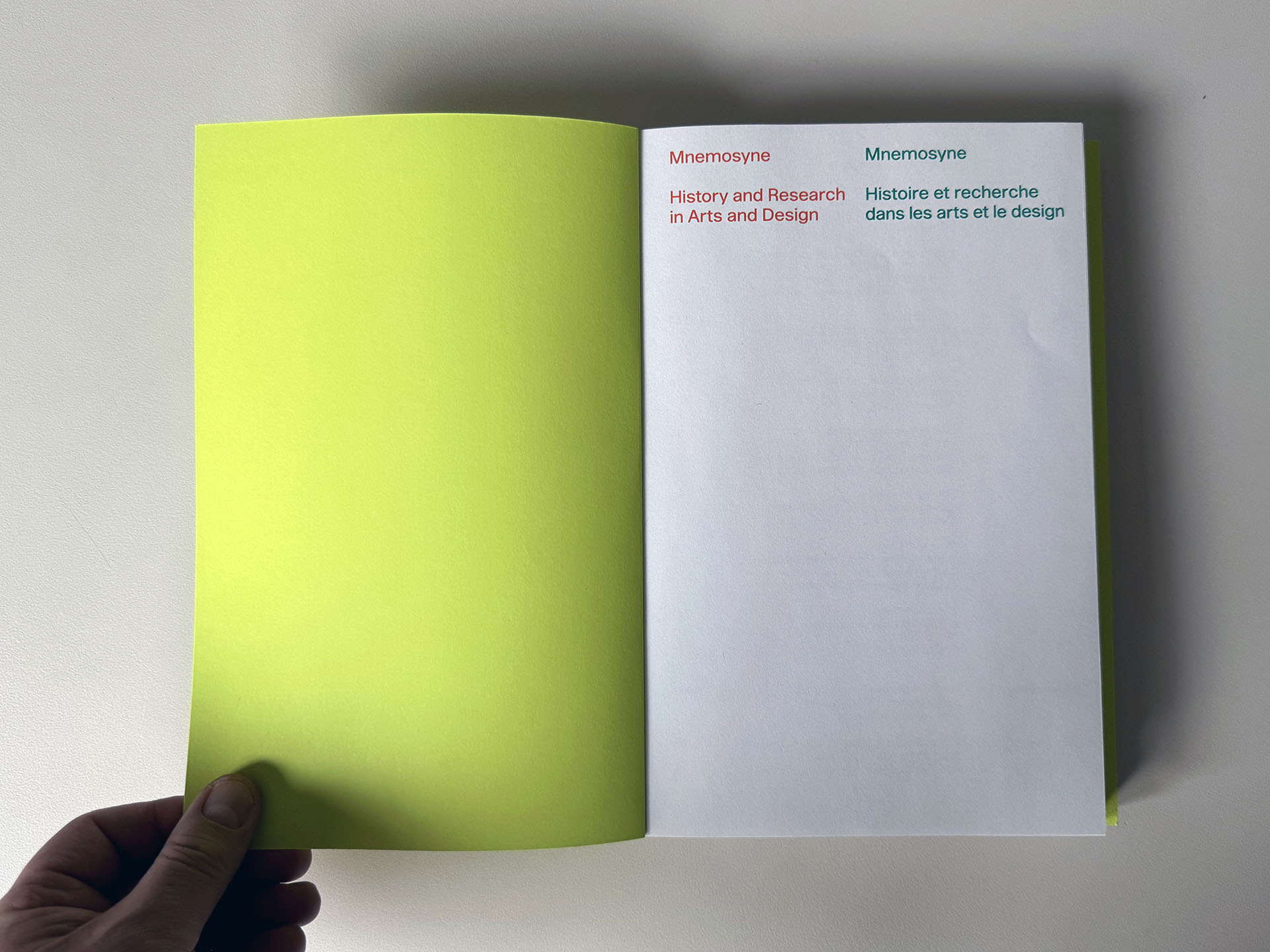
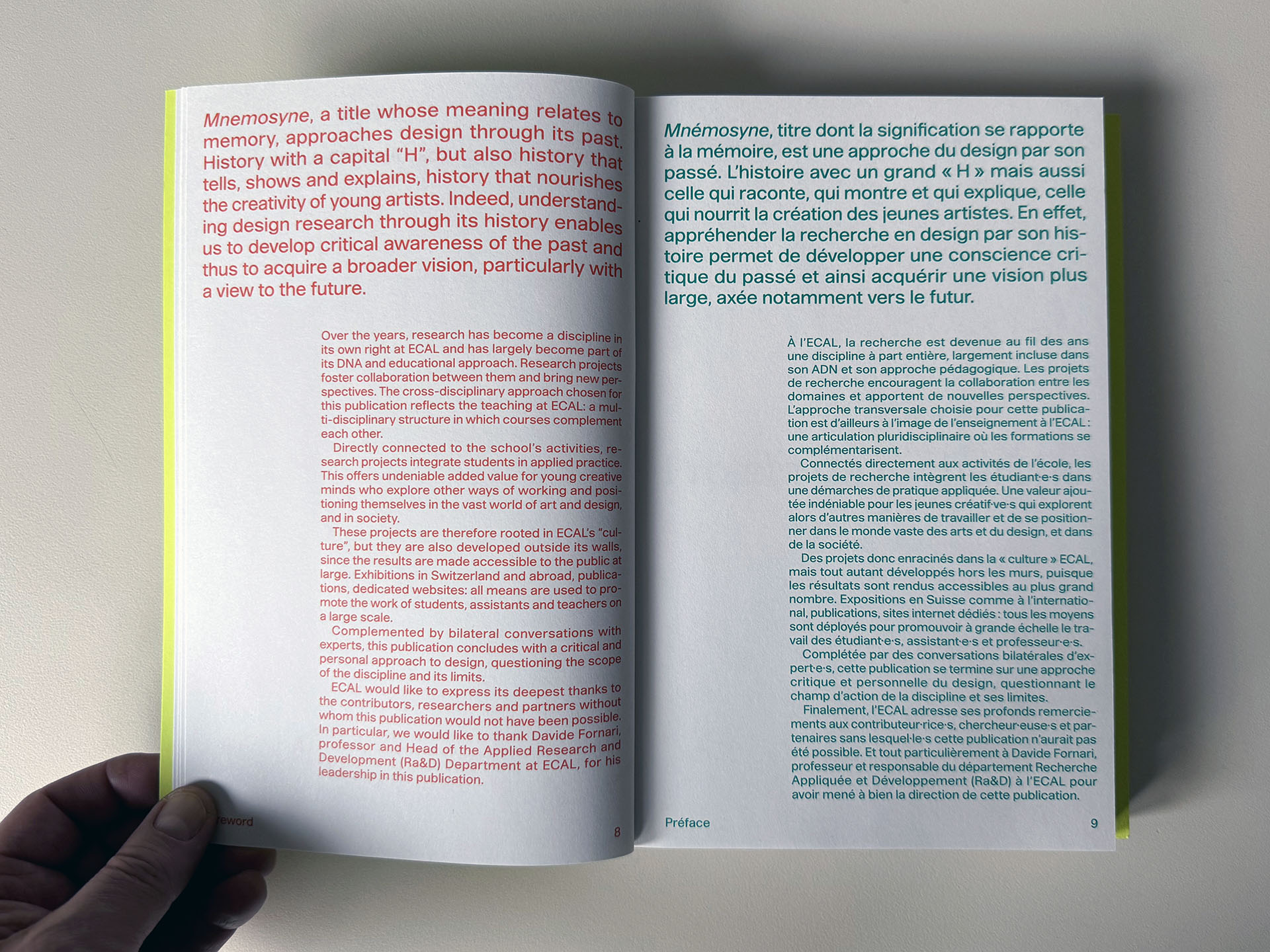
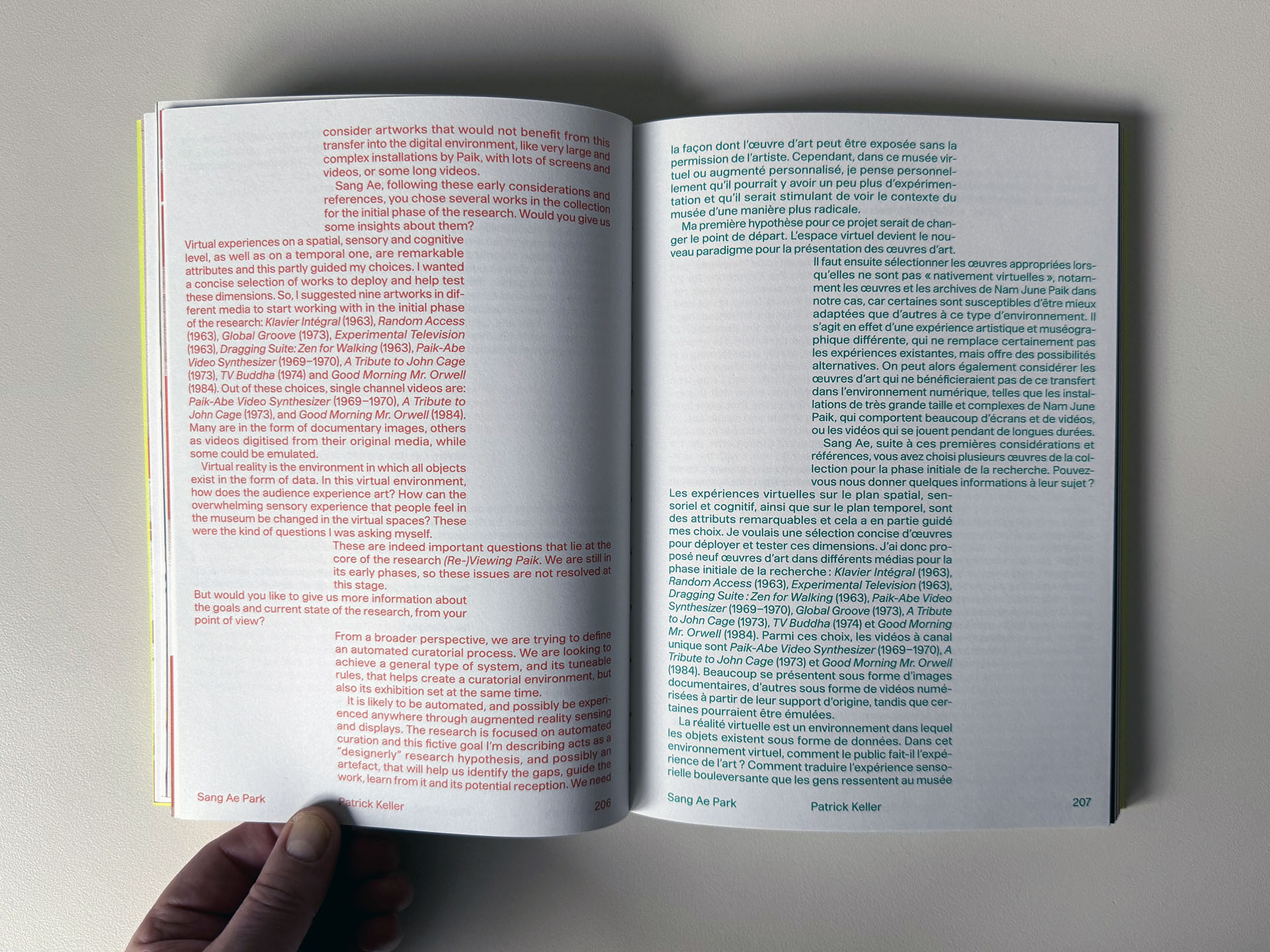
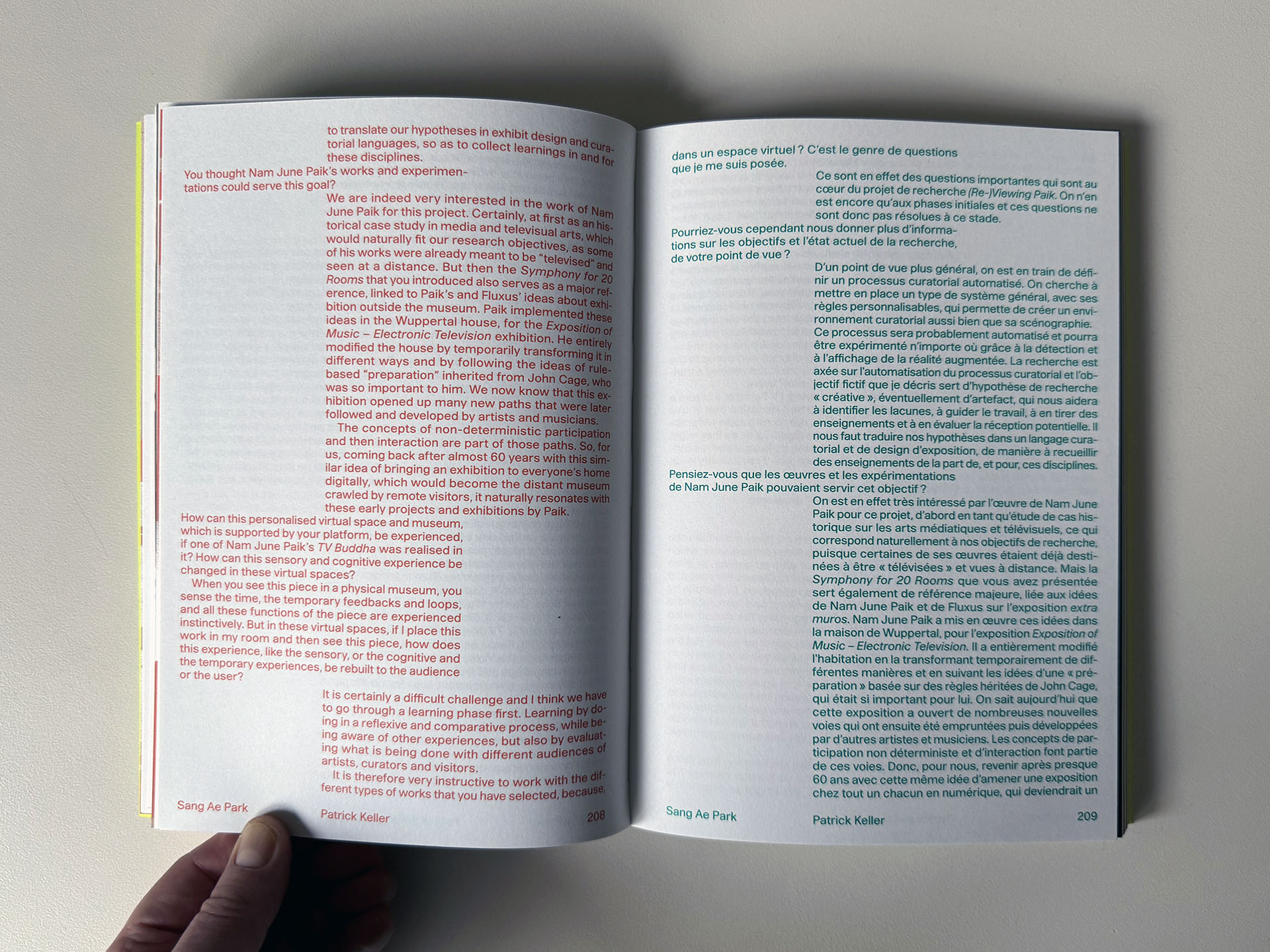
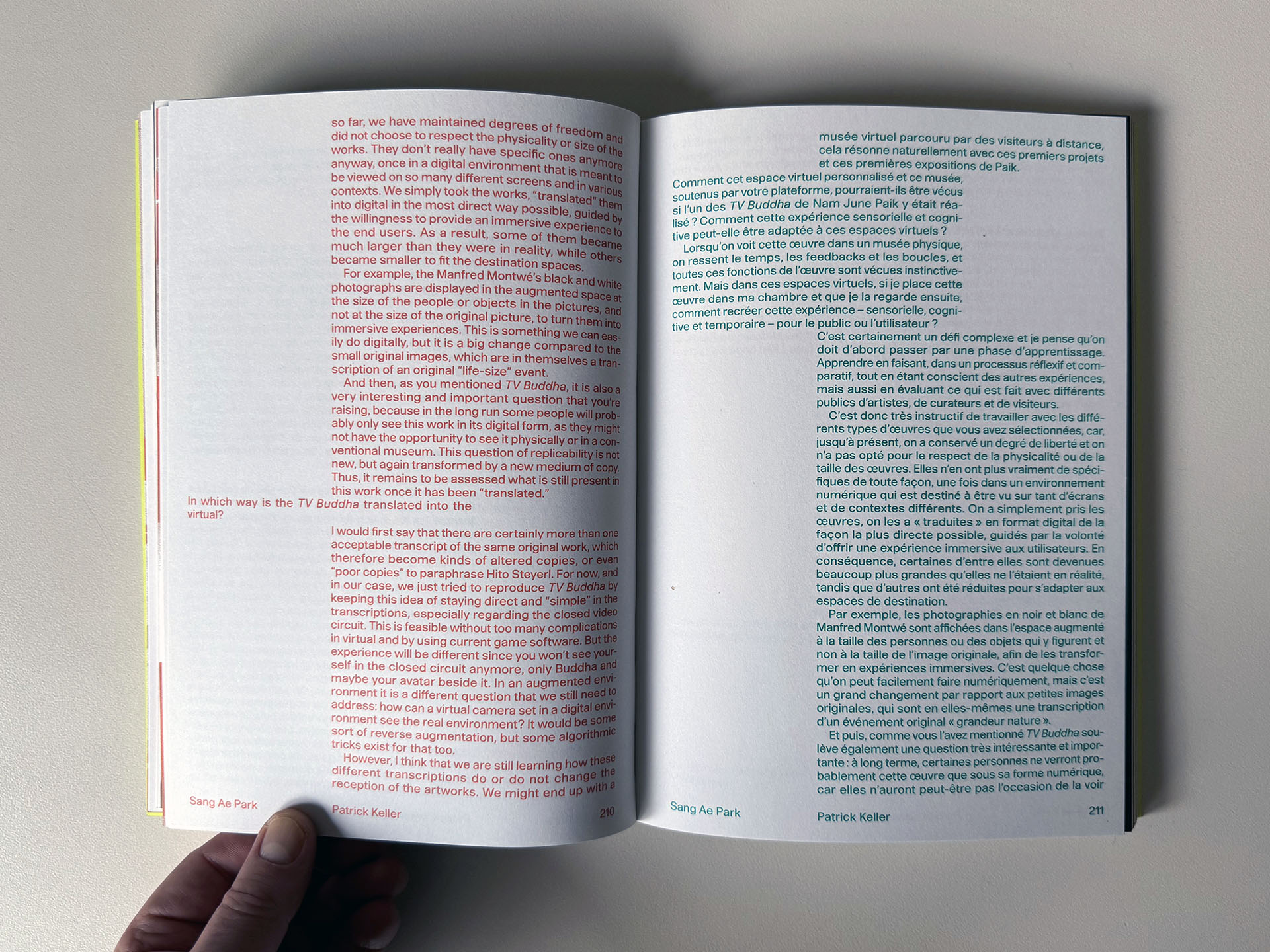
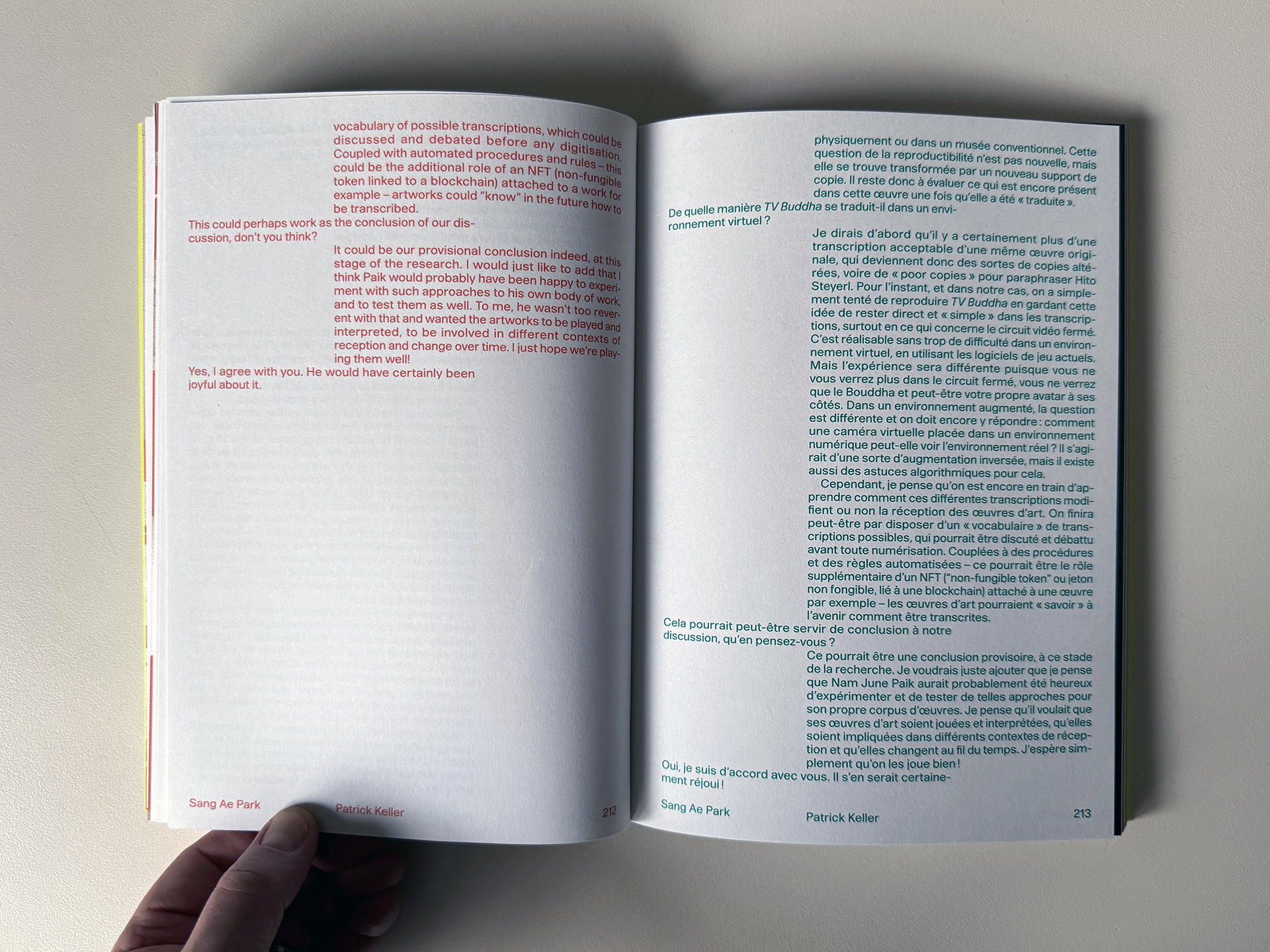
Mnemosyne – History and Research in Arts and Design / (Re)Viewing Paik | #paik #digitization #digitalexhibition
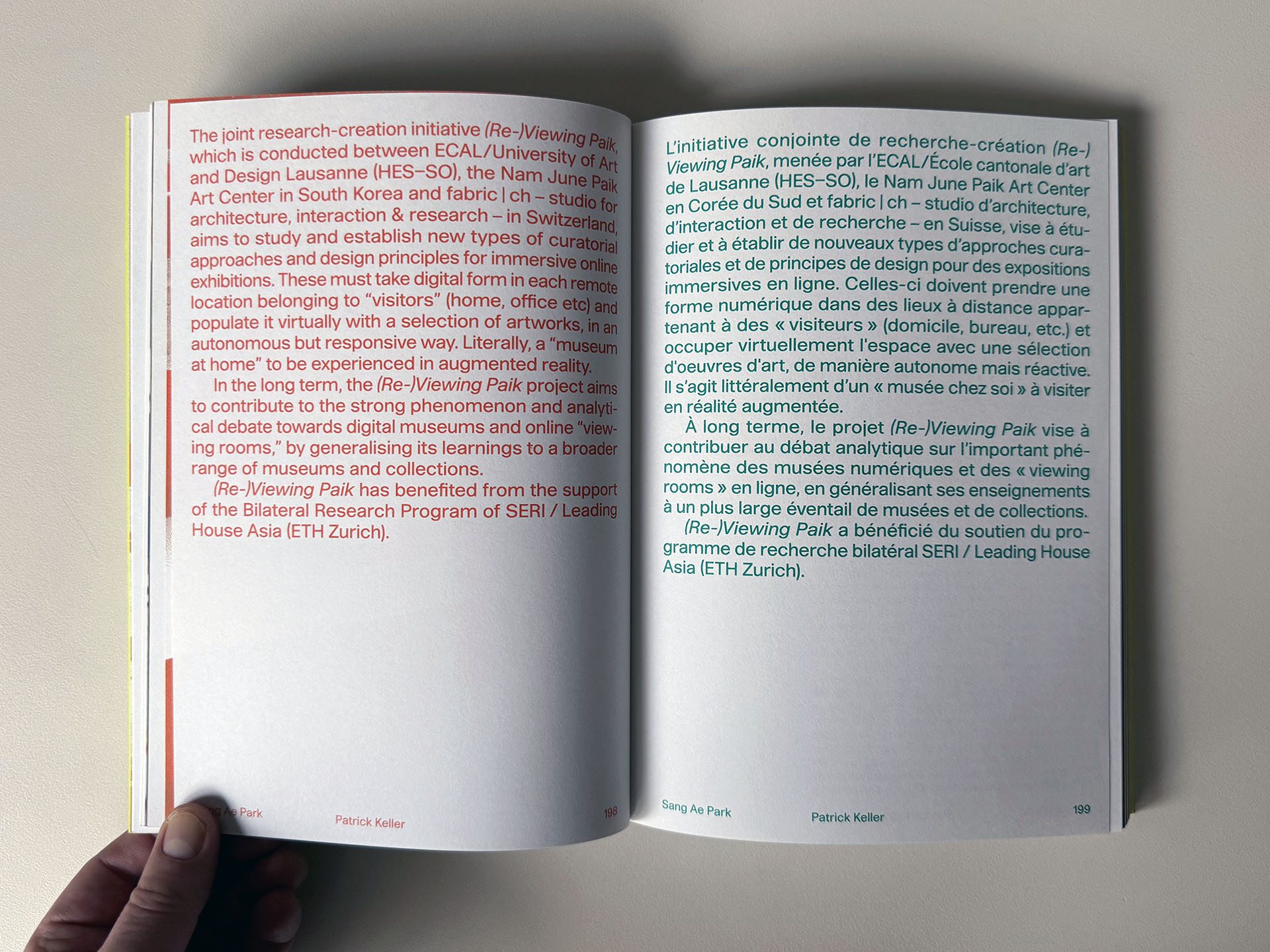
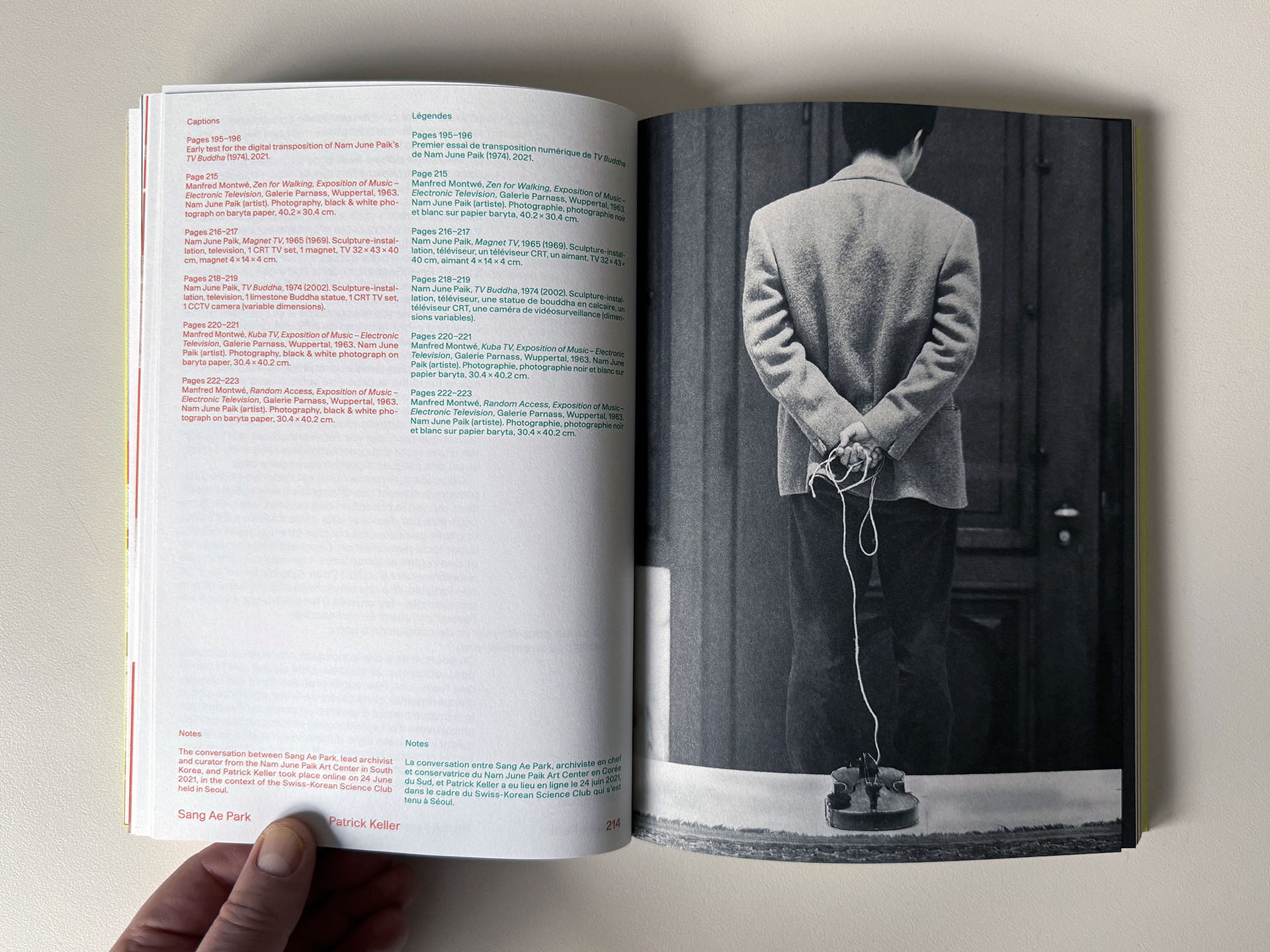
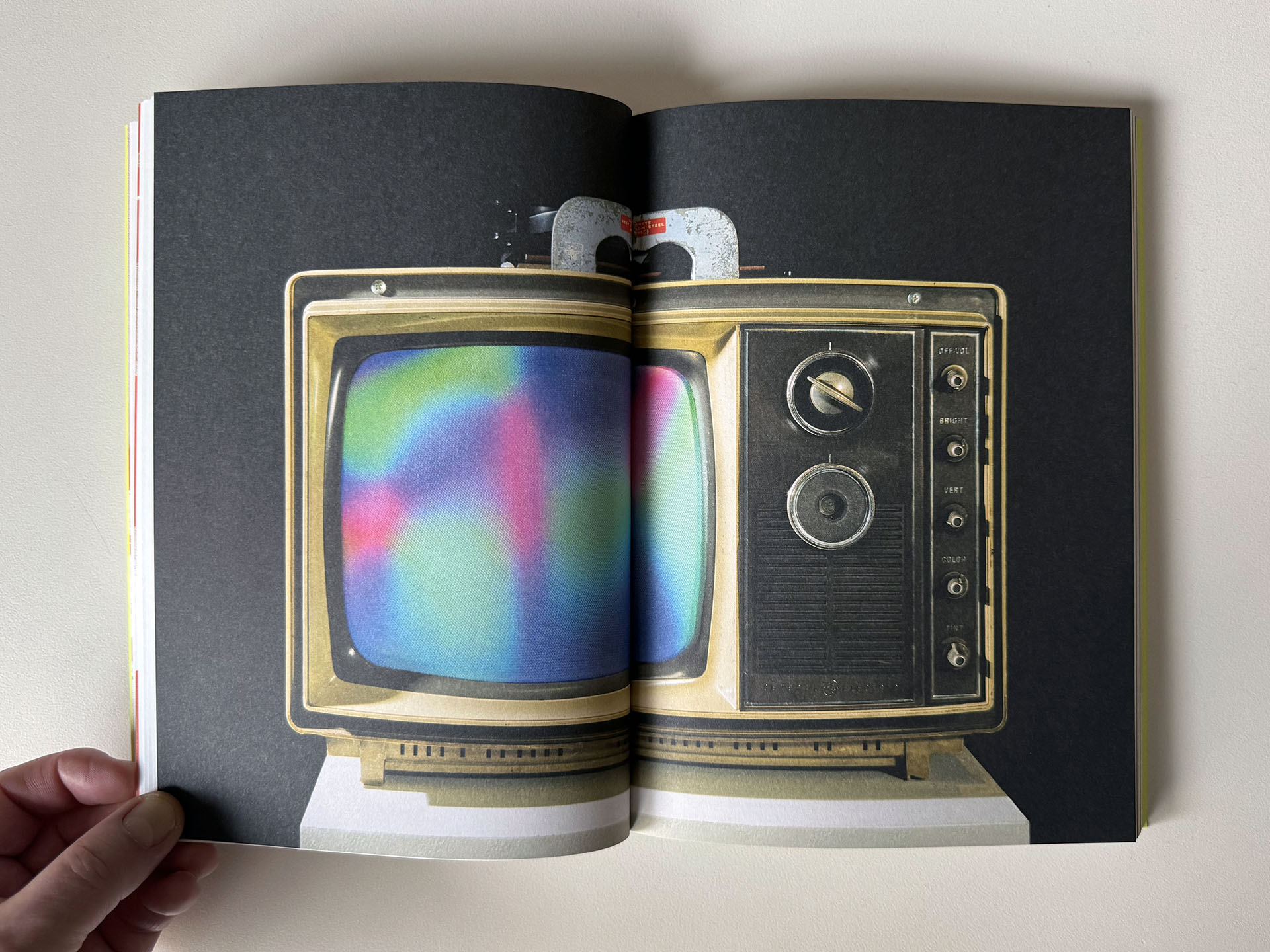
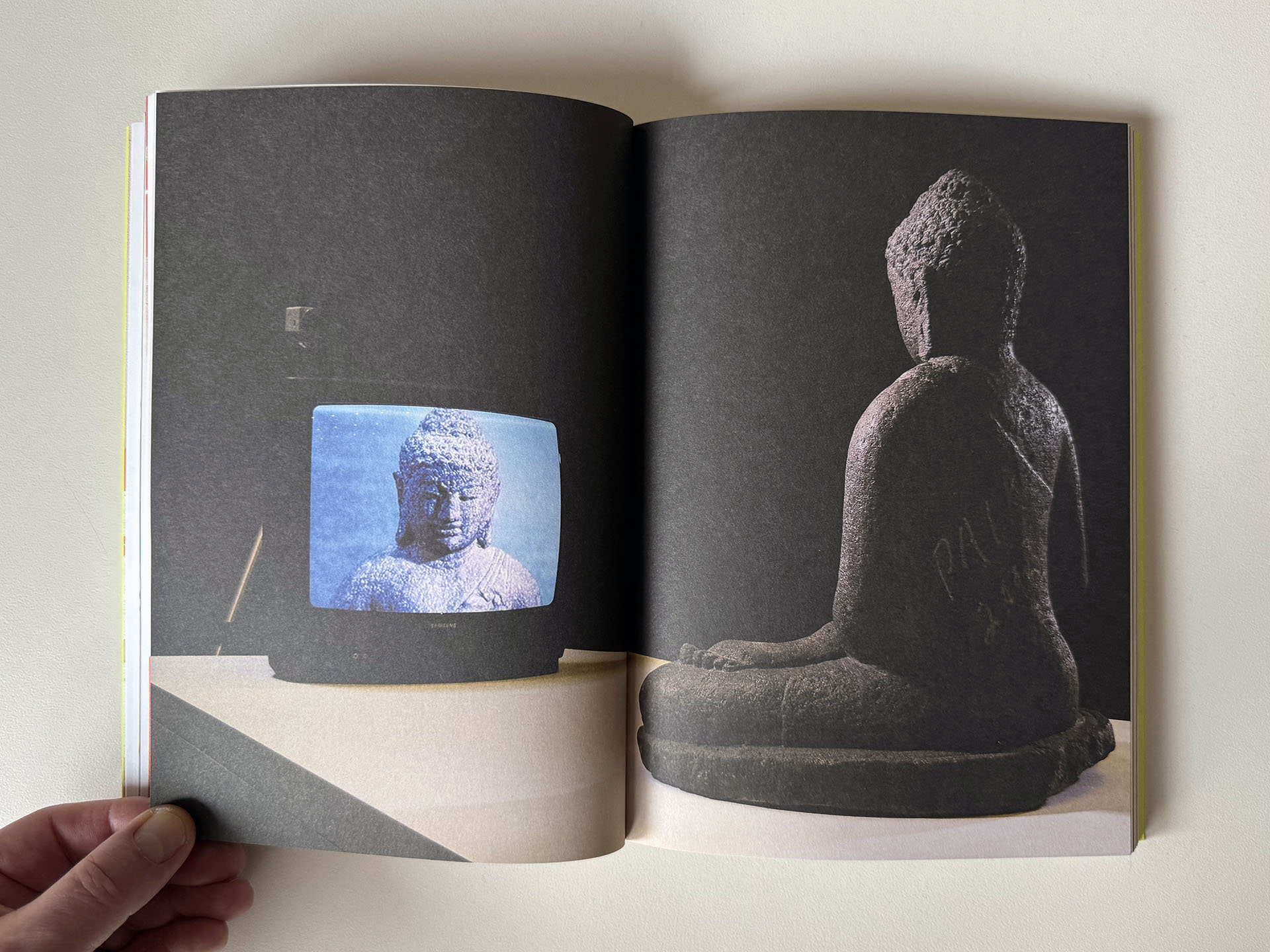
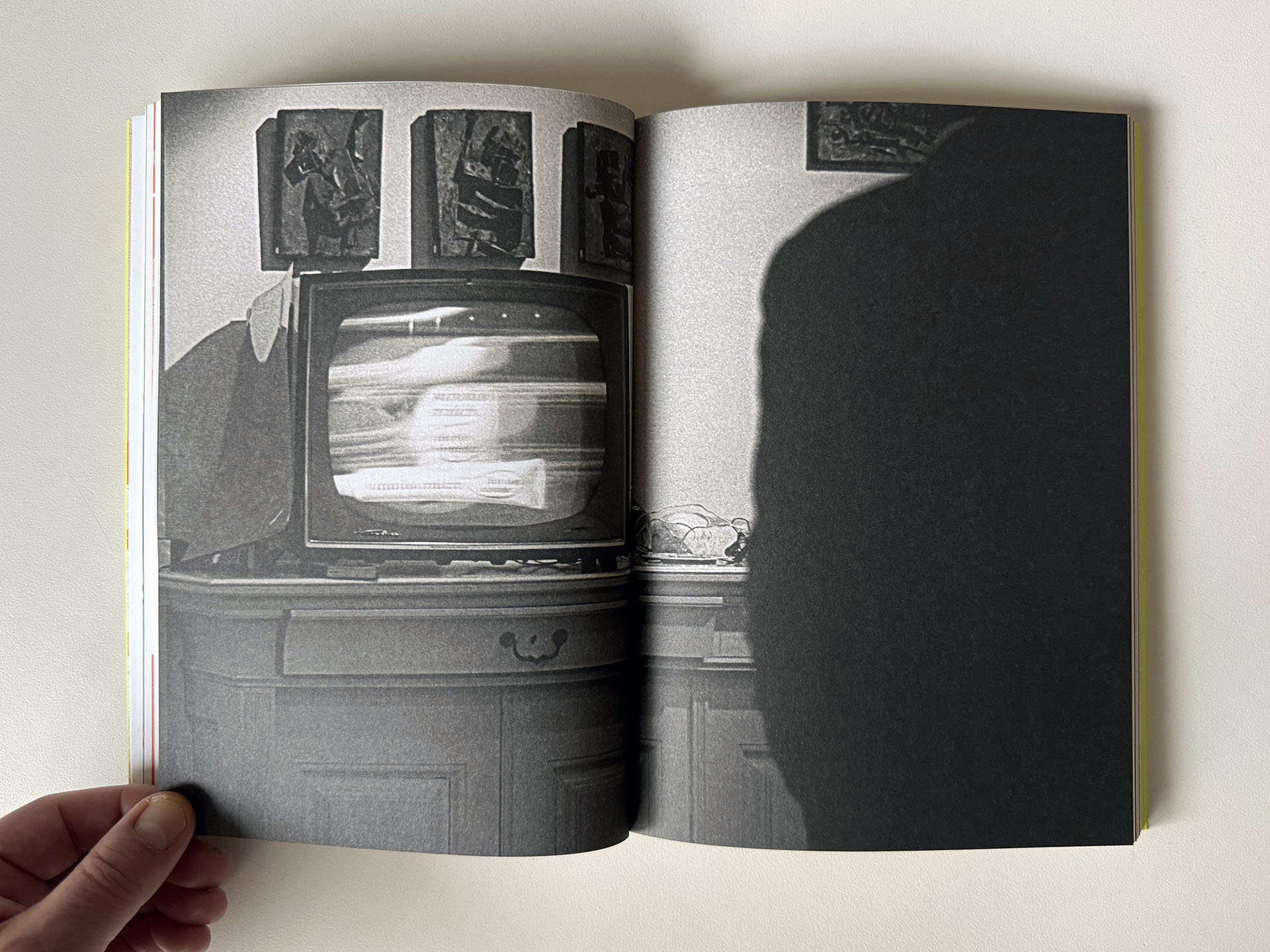
Note: as part of a year-long preliminary research into digital exhibitions, we teamed up with the Nam June Paik Art Center (South Korea) - and their incredible collection and archive of Nam June Paik's works -, as well as ECAL/University of Art and Design Lausanne, to deliver initial thoughts and proofs of concept.
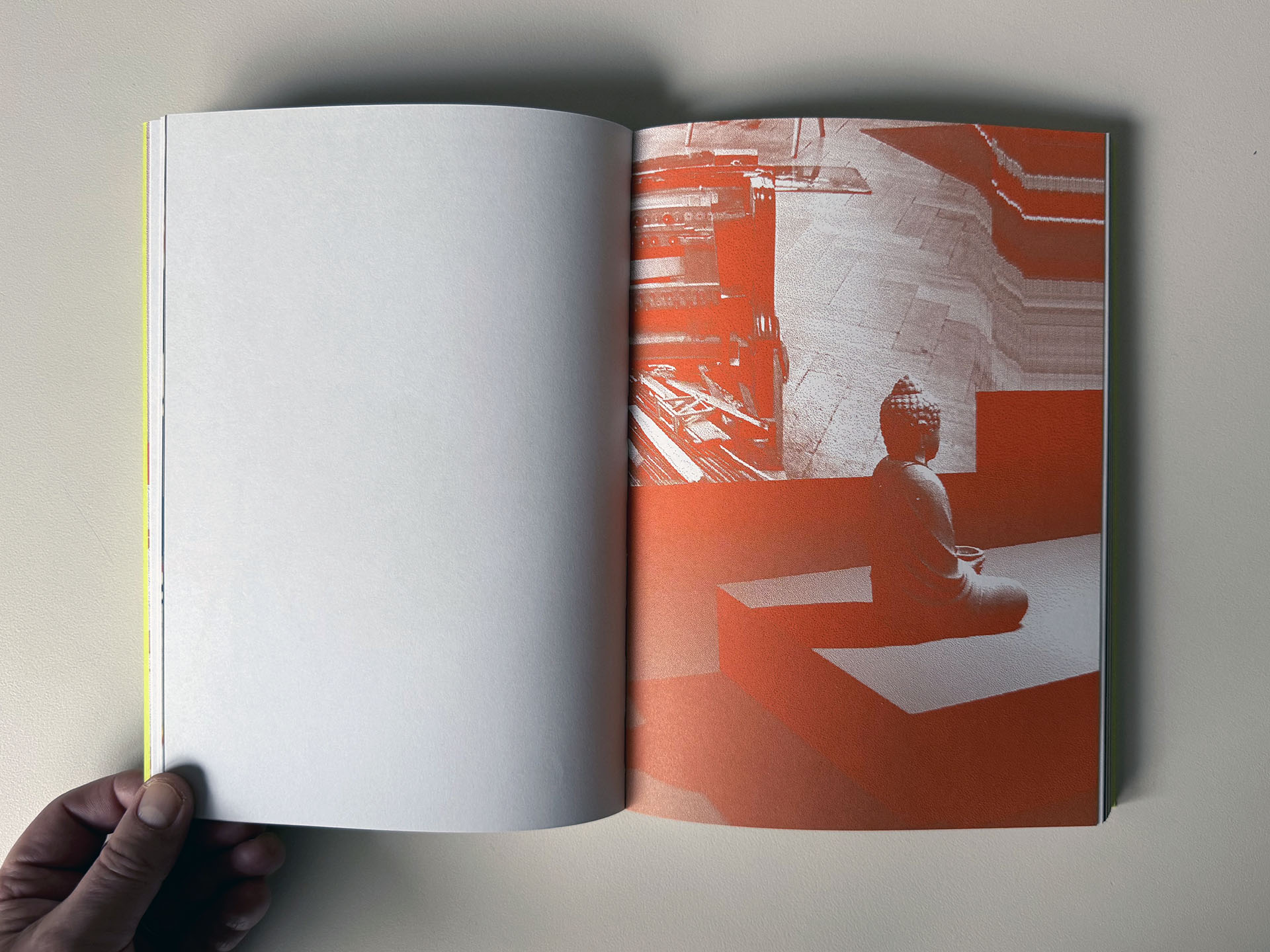
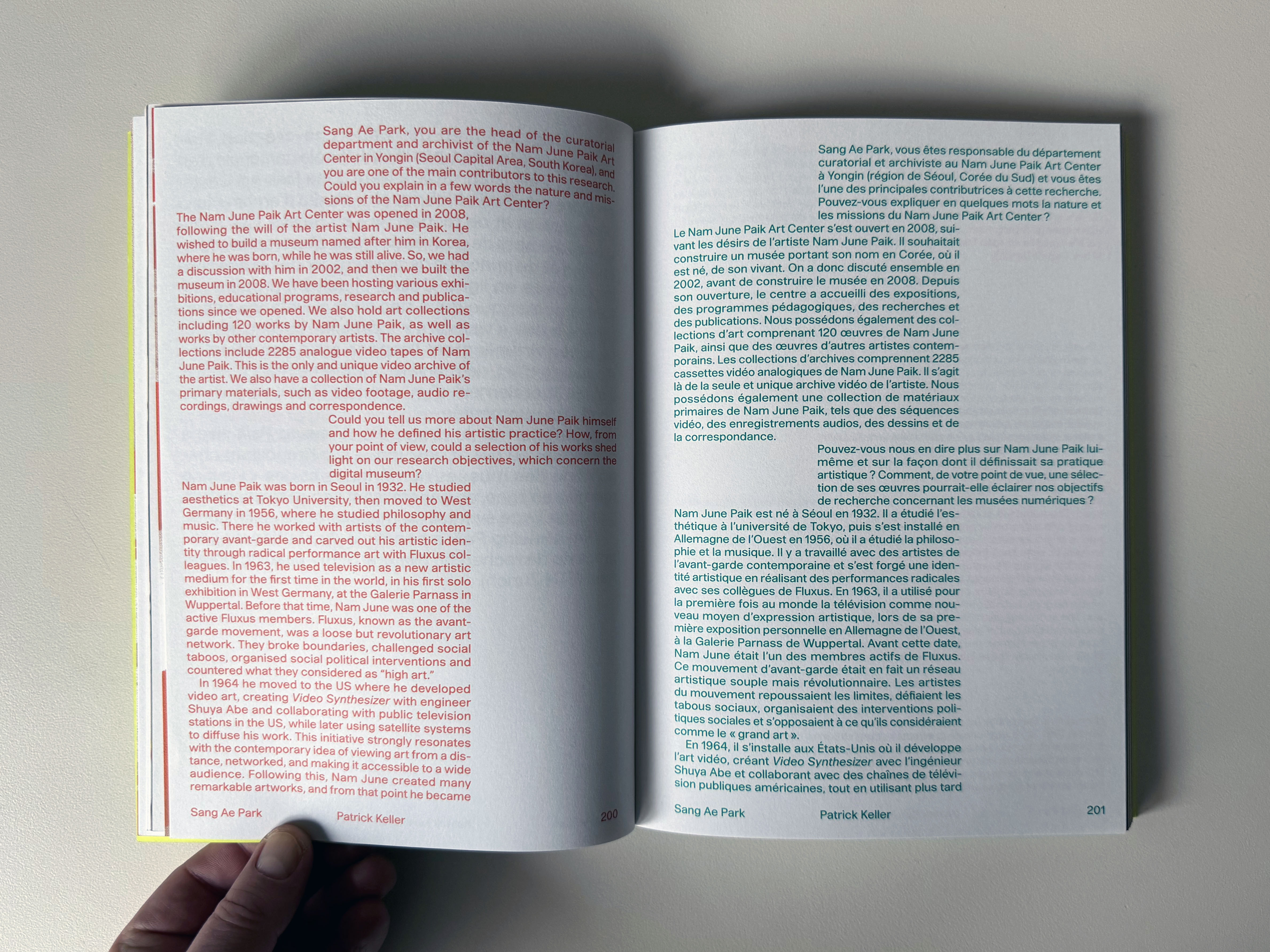
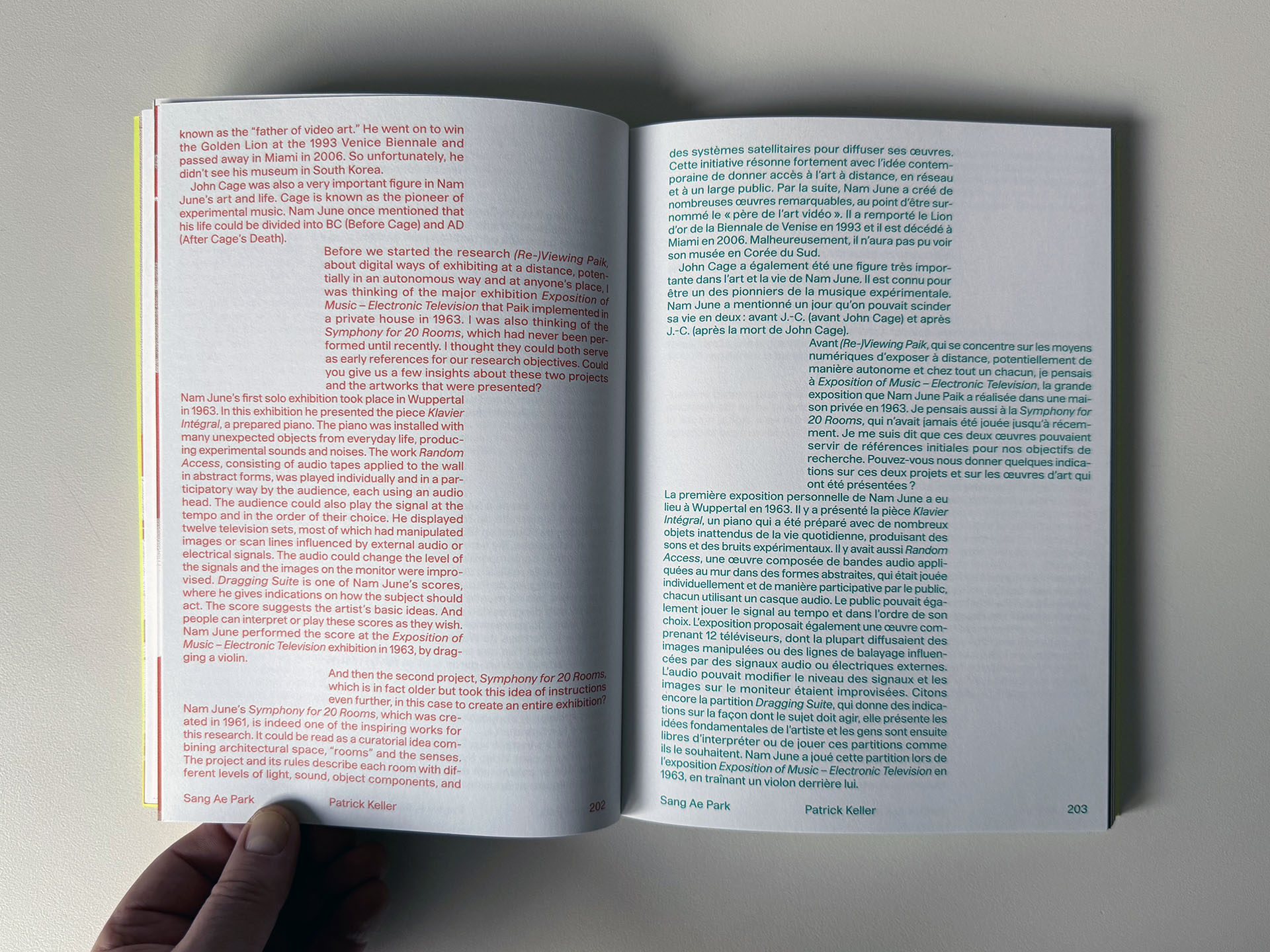
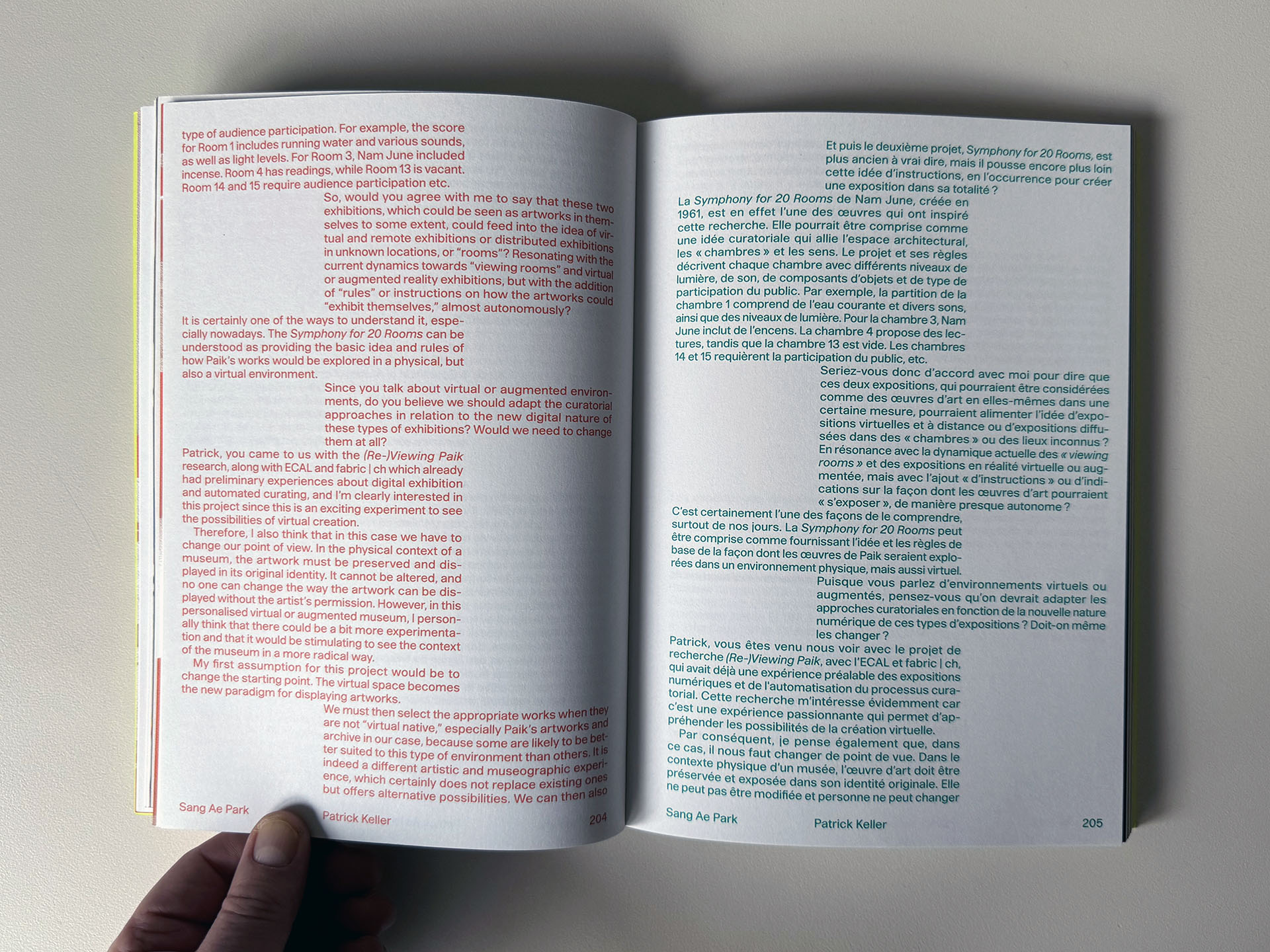
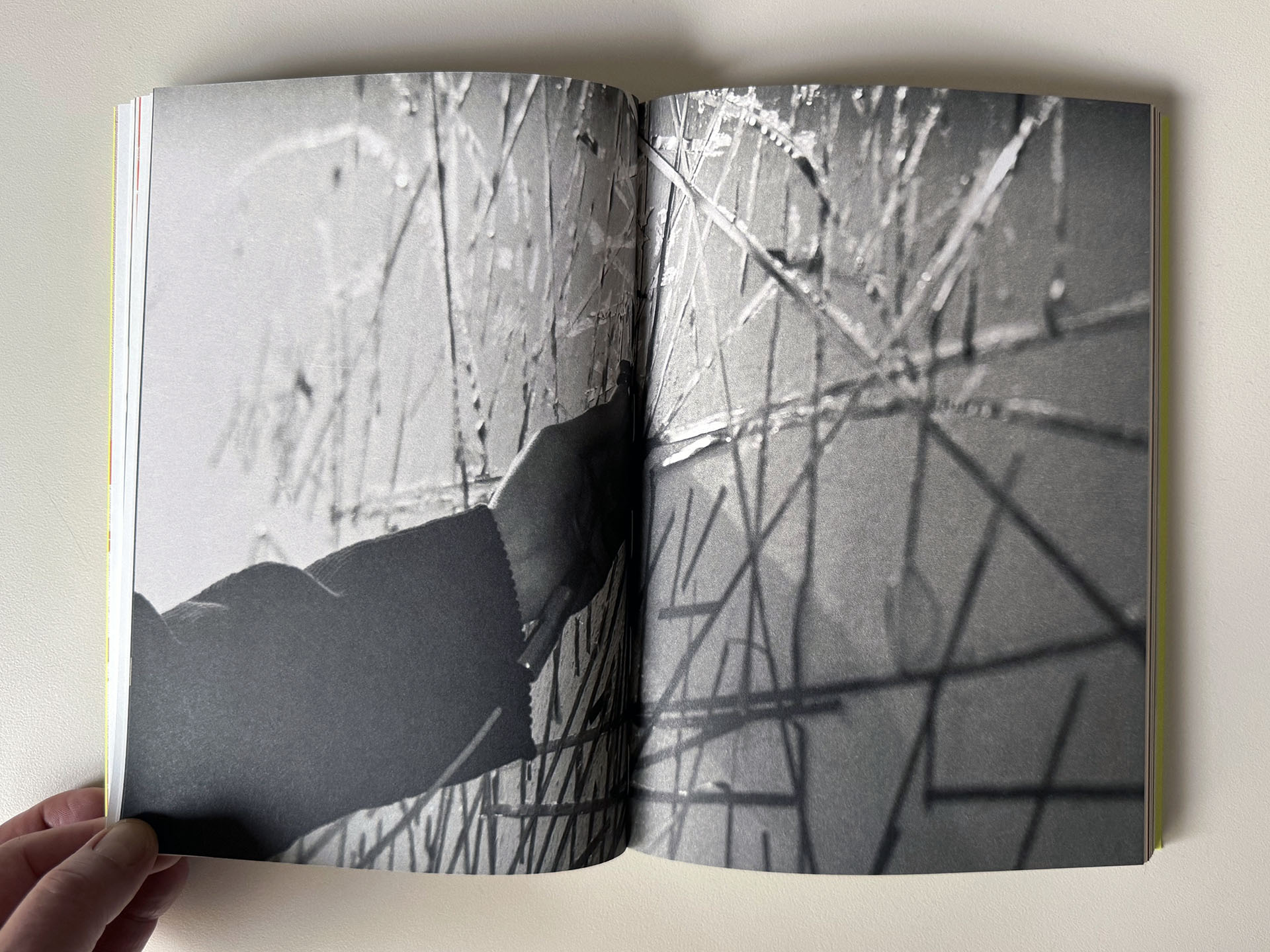
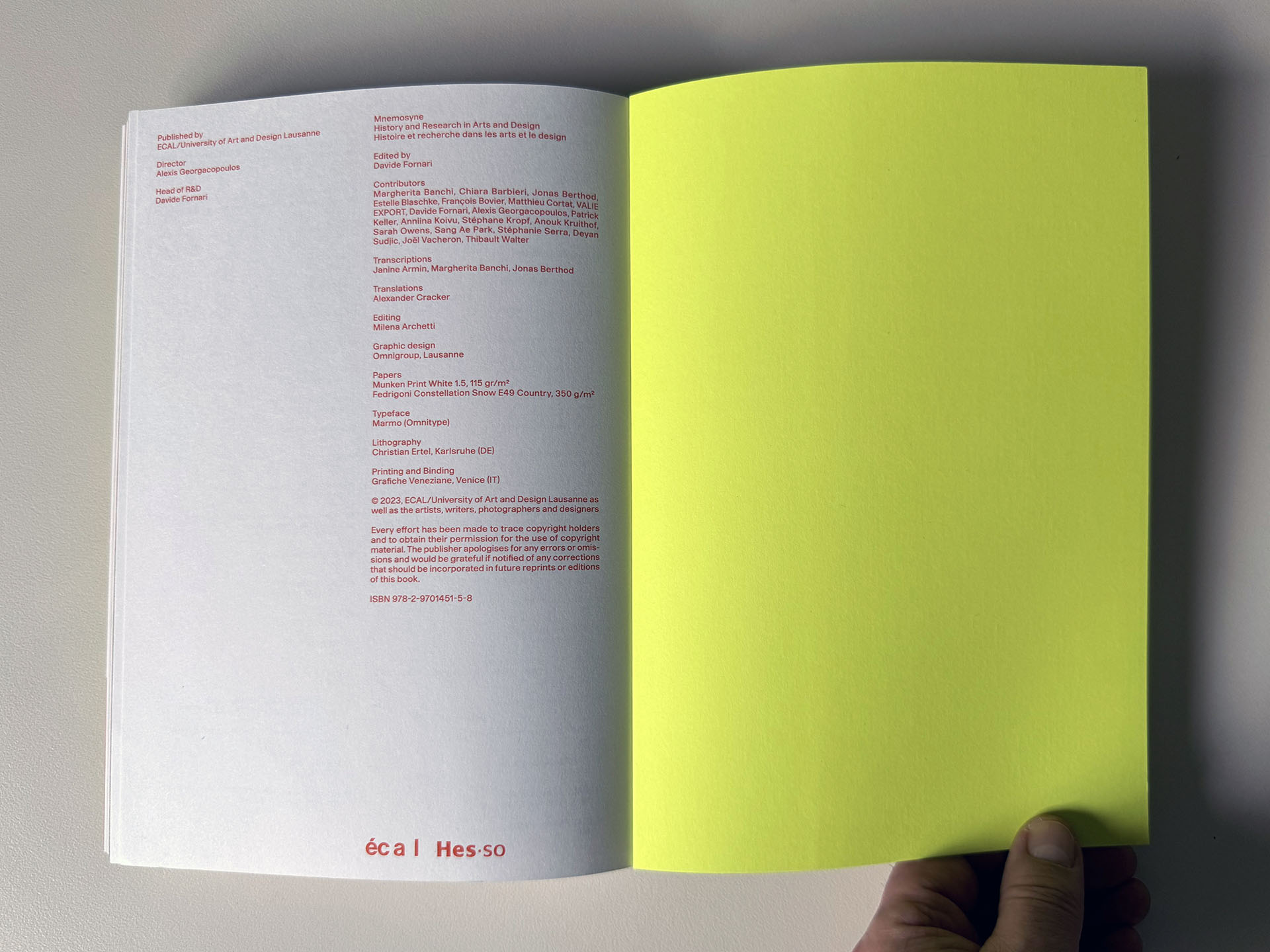
Late last year saw the publication of Mnemosyne, a book on "History and Research in Arts and Design" (ed. Davide Fornari, published by ECAL/University of Art and Design Lausanne (HES-SO)).
In this context, I had the chance to be in conversation with NJPAC curator Sang Ae Park about this joint research. Among other topics, we discussed the unrealized piece – at the time – "Symphony for 20 rooms" (1961) by Nam June Paik as a potential inspiration for "remote" exhibitions, at home.
This discussion gave ground to the paper "A Symphony for Nam June Paik, Digitally" (below), while this preliminary research is likely to continue in the form of a longer-term research.
-----
By Patrick Keller





Friday, March 10. 2023
Atomized (re-)Staging at ZKM, Instagram @zkmkarlsruhe (2023) | #fabricch #digital #exhibition #algorithmic #intelligence
Saturday, February 17. 2018
Environmental Devices retrospective exhibition by fabric | ch until today! | #fabric|ch #accrochage #book
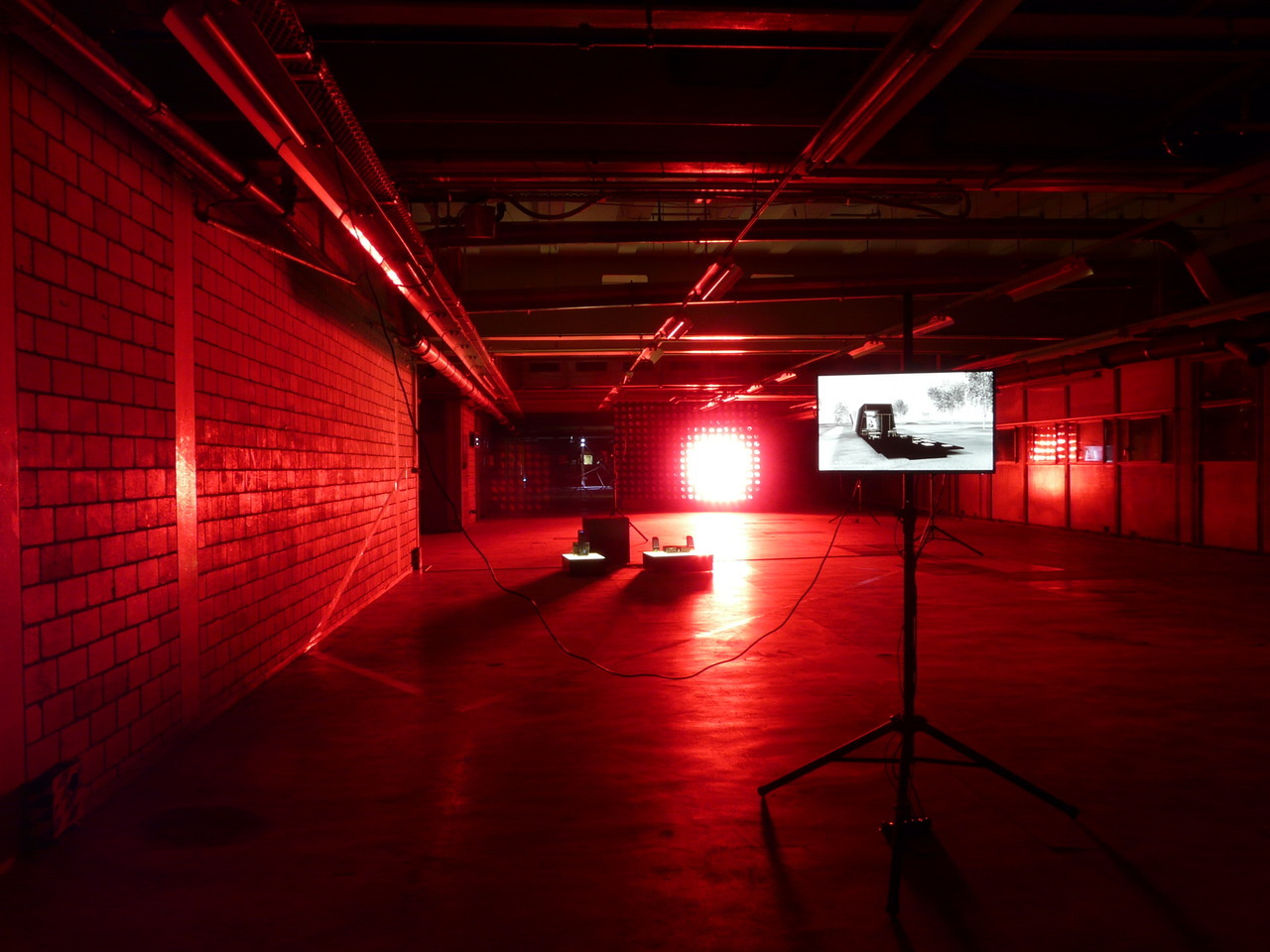
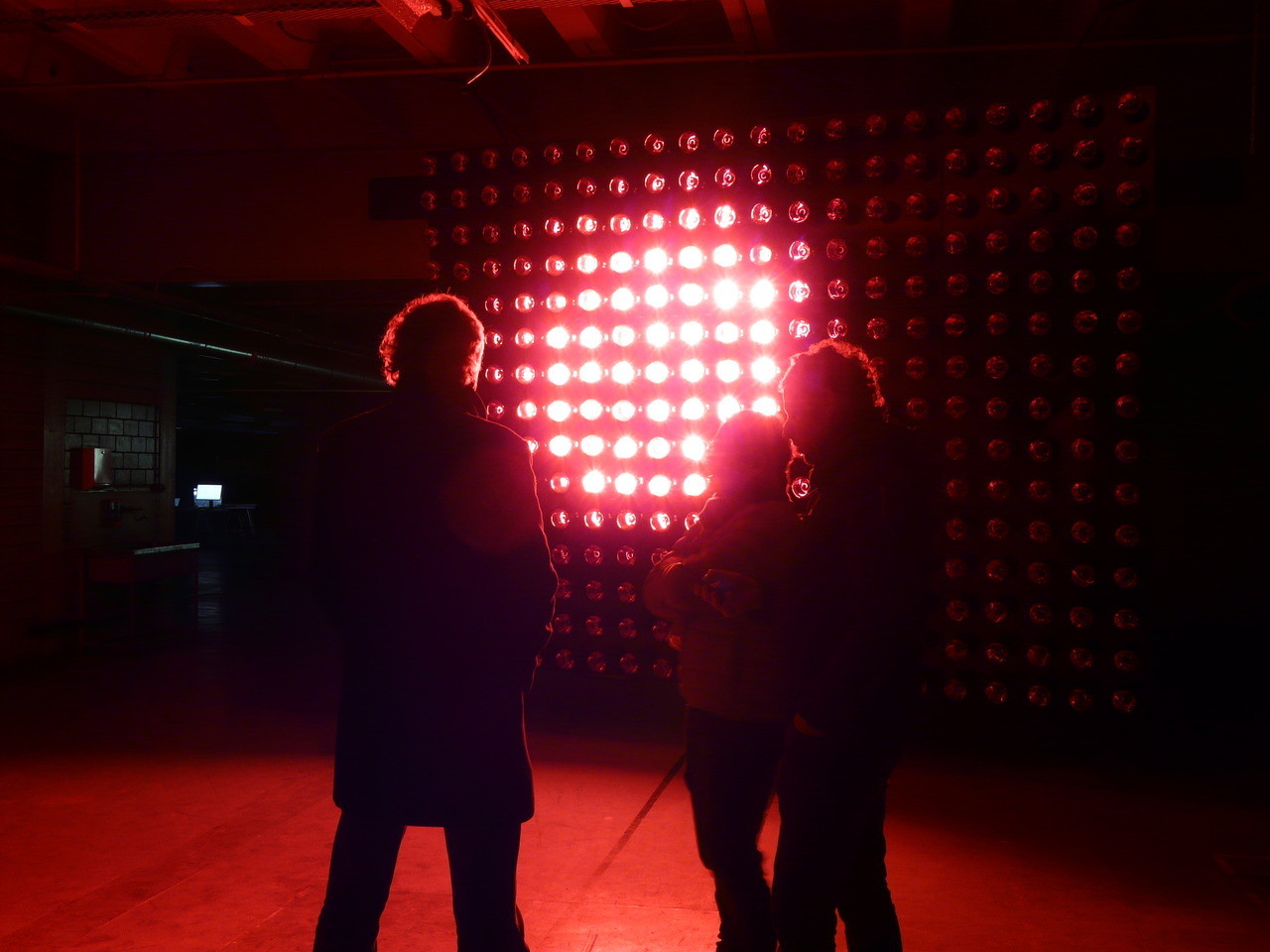
Note: a few pictures from fabric | ch retrospective at #EphemeralKunsthalleLausanne (disused factory Mayer & Soutter, nearby Lausanne in Renens).
The exhibition is being set up in the context of the production of a monographic book and is still open today (Saturday 17.02, 5.00-8.00 pm)!
By fabric | ch
-----
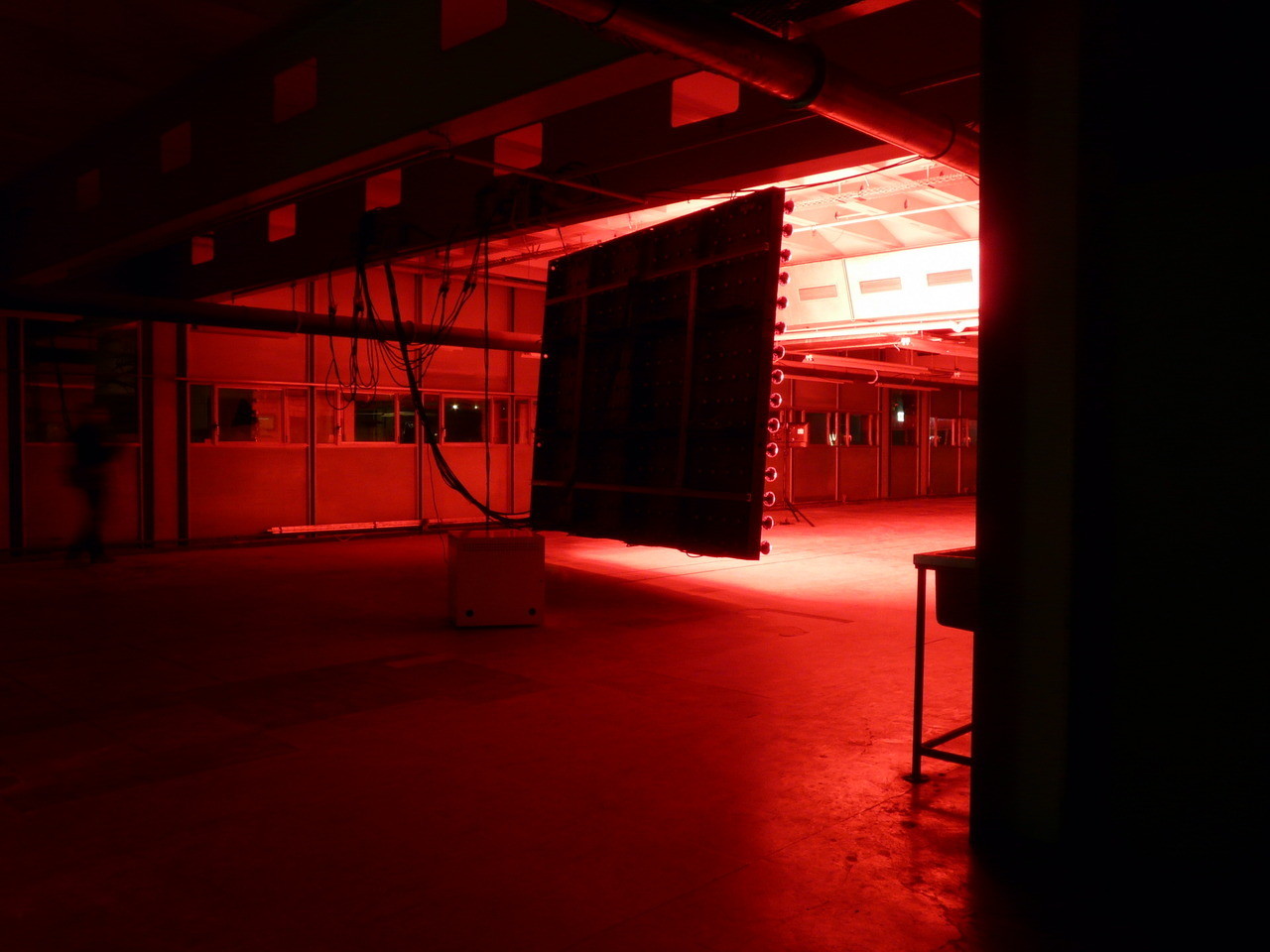
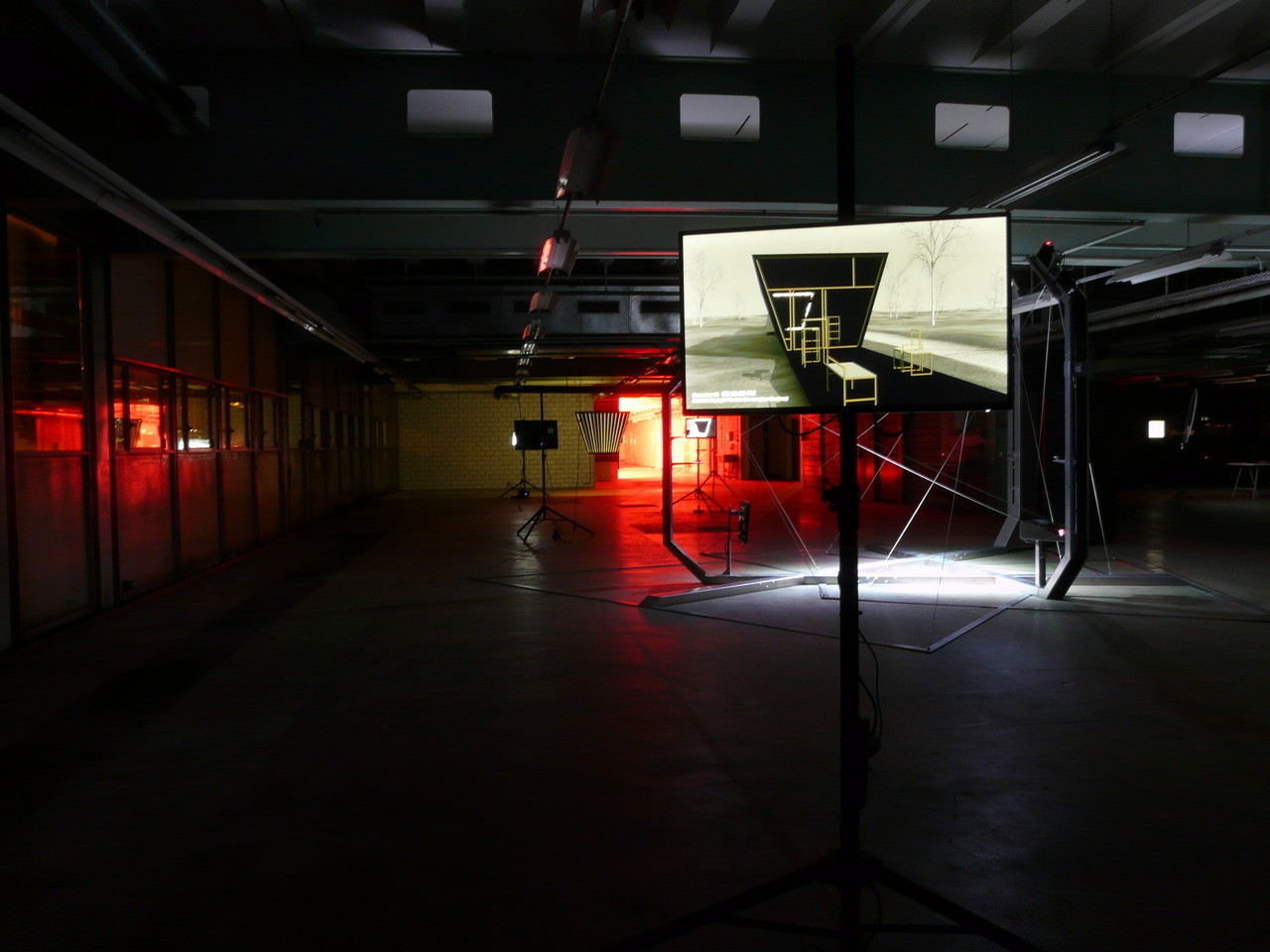
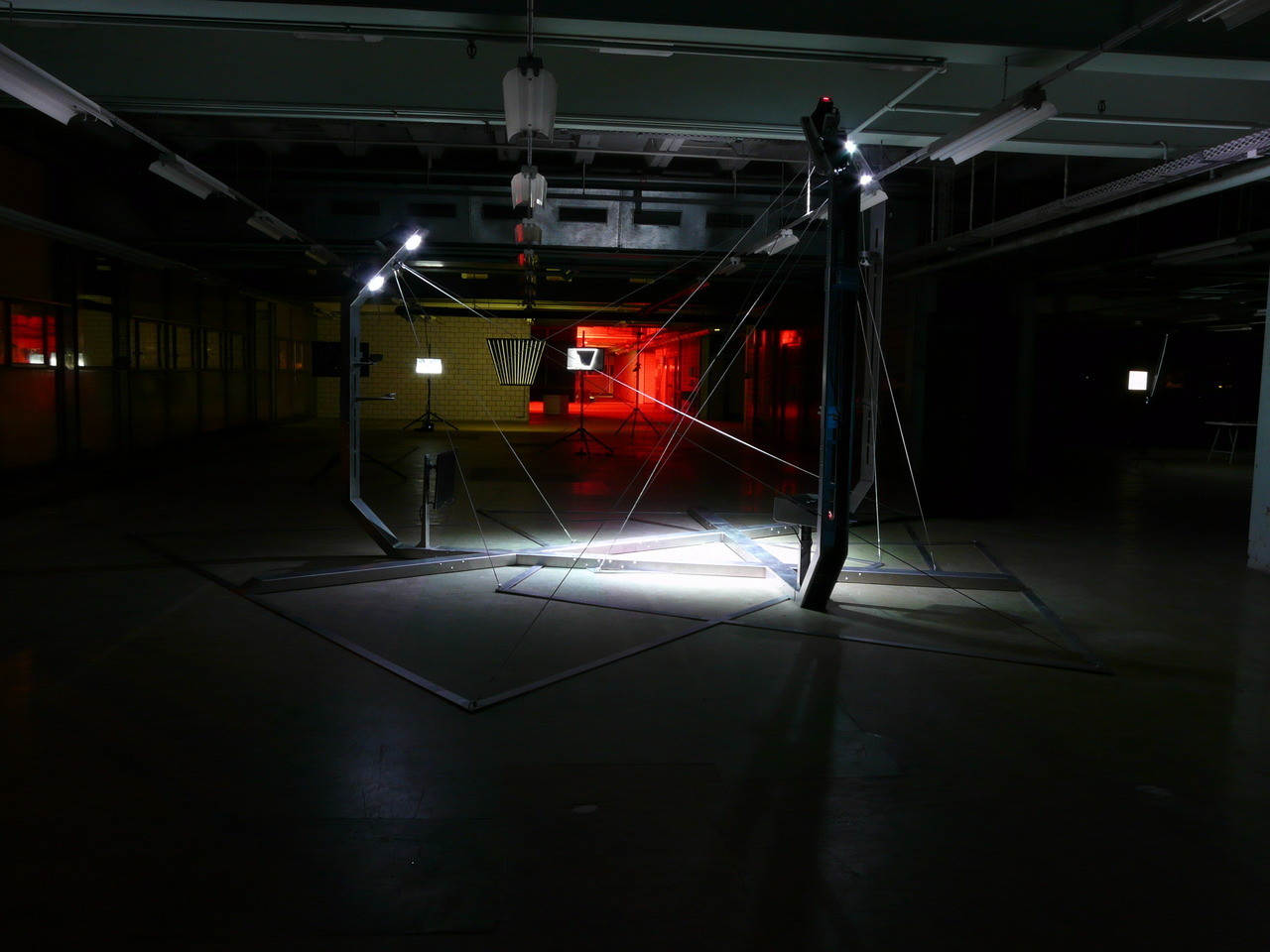
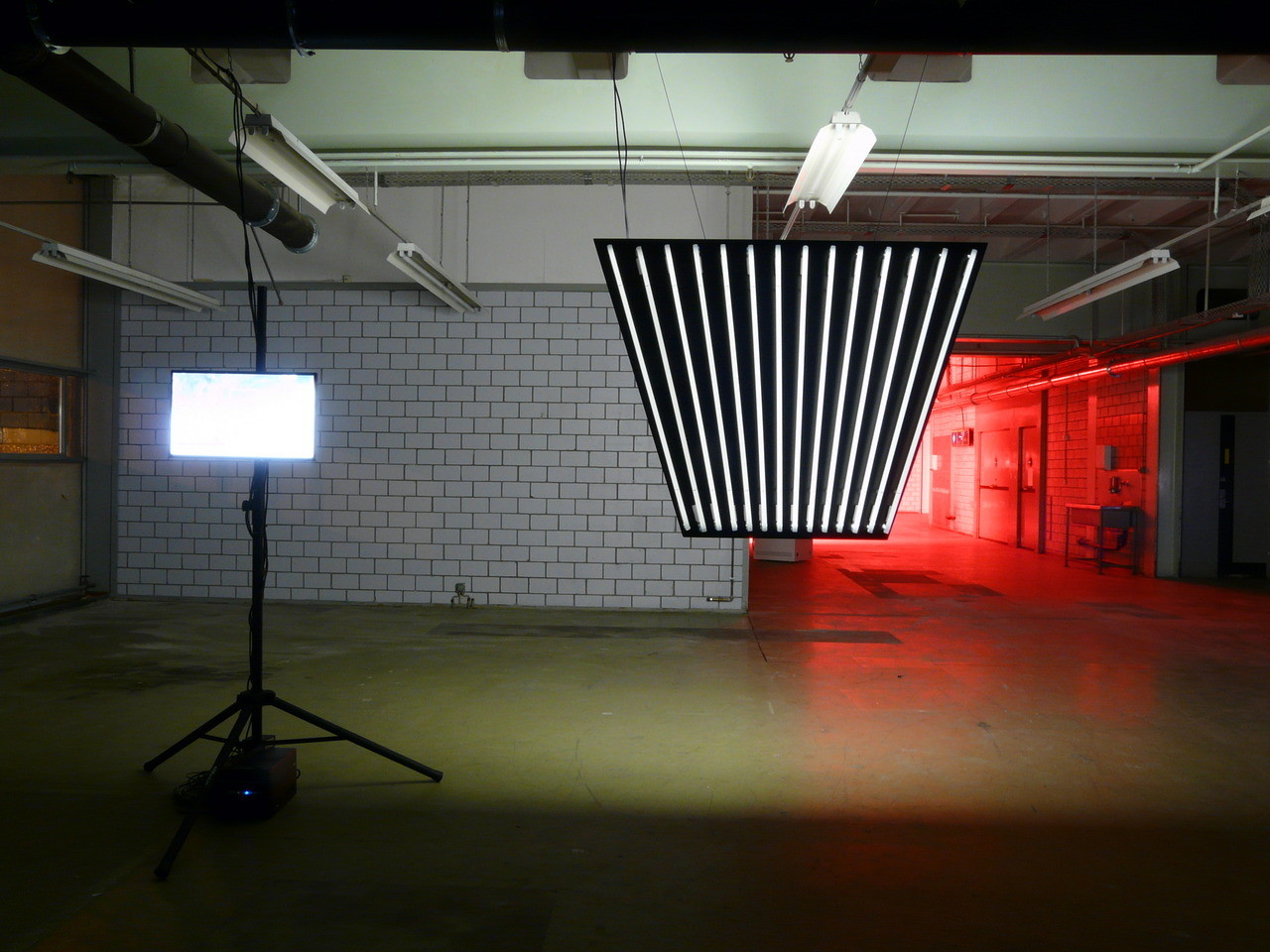
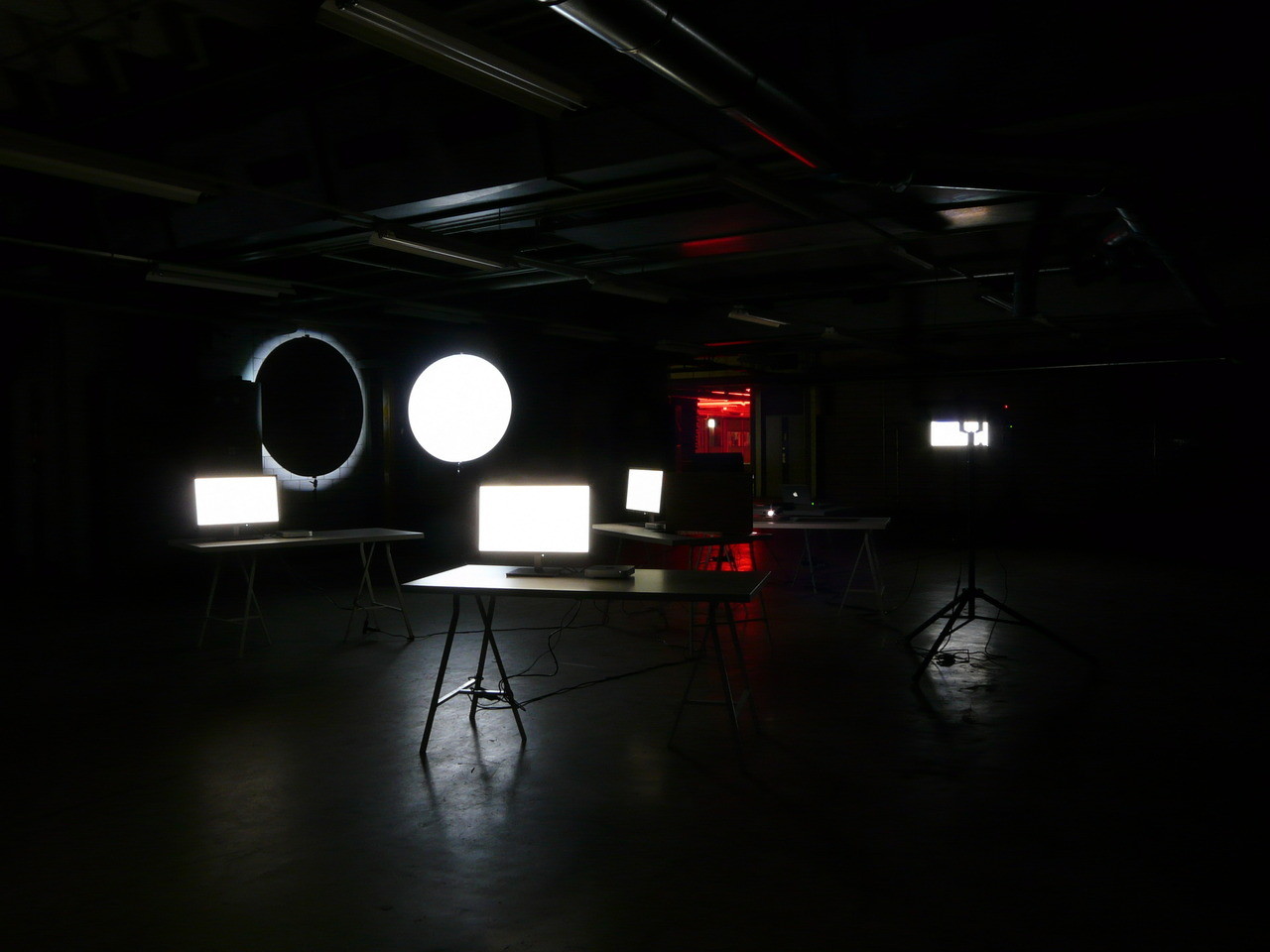
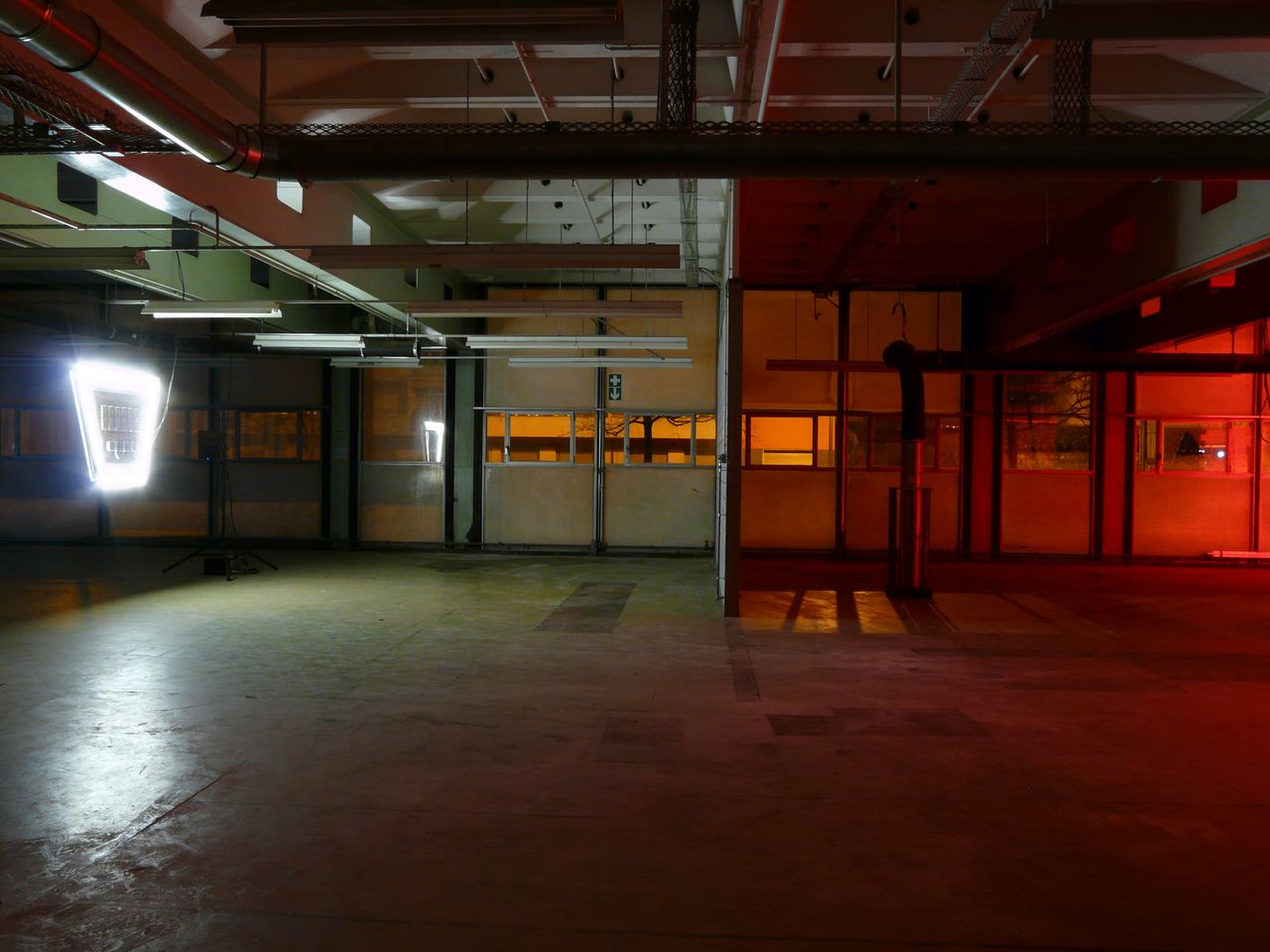
-
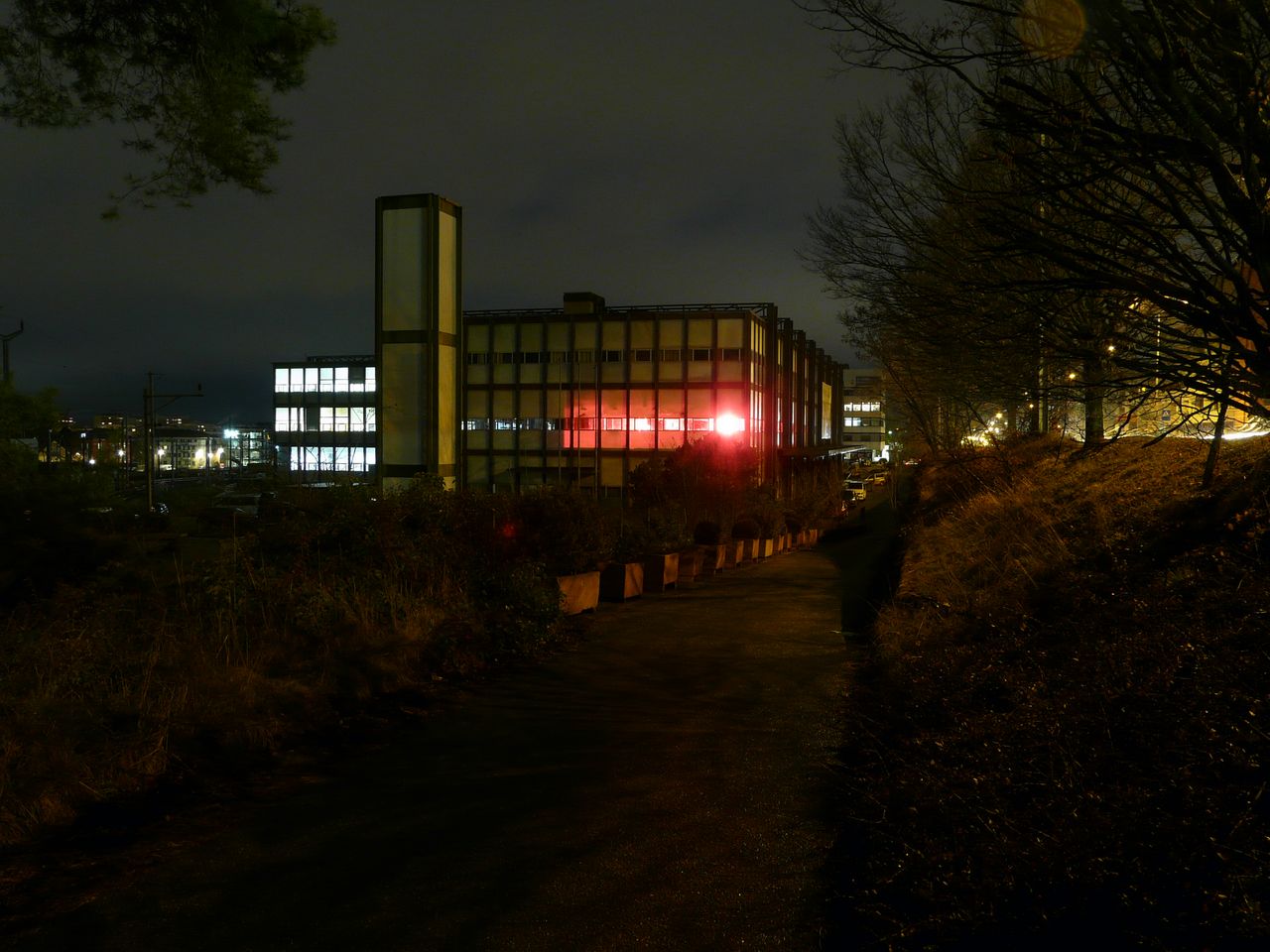
All images Ch. Guignard.
Tuesday, March 11. 2014
Day-in-the-life movie follows the resident of an apartment with moving walls and secret furniture | #housing
Note: a low-fi, unautomated responsive house, where residents still have to take actions, make decisions that are not delagated to a badly designed algorithm... When it comes (or will soon come) to smart houses, smart cities, etc., we (designers, architects, ...) will have to design algorithms and behaviors that matters and that continue to trigger decisions among people. This is obviously not only an engineer's job. It also is (profund respect), just not only. So, do they teach algorithms and processes design (which remains different than "generative design" commonly taught) in architecture schools? Rarely, I'm afraid...
Via Dezeen
-----
The resident of a compact apartment in Madrid demonstrates how she can rearrange walls and pull furniture out of the ceiling in this movie by photographer and filmmaker Miguel de Guzmán.
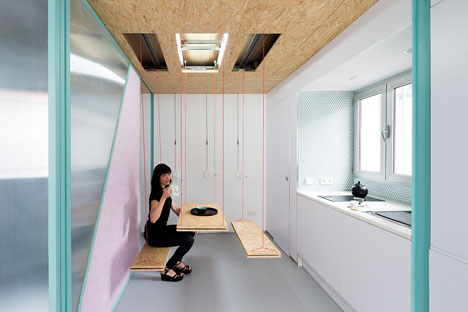
Designed by Spanish studio Elii Architects, the Didomestic apartment occupies the loft of an old building, so it was designed to make optimal use of space by creating flexible rooms that can be adapted for different activities.
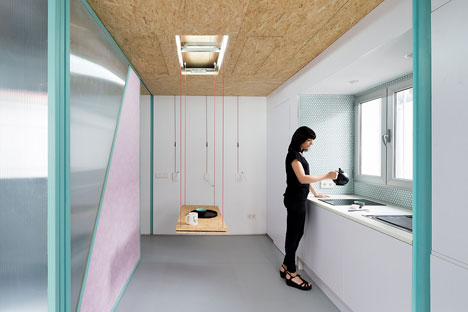
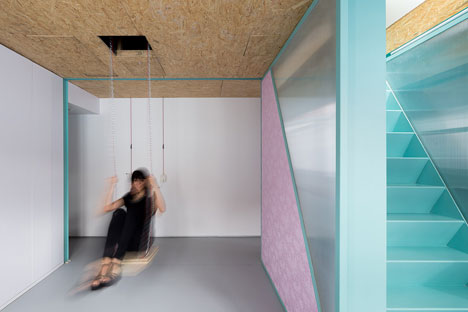
Sliding pink partitions allow the main floor to be either opened up or divided into a series of smaller spaces, while a new mezzanine loft provides a bedroom where floor panels hinge open to reveal a vanity mirror, toiletry storage and a tea station.
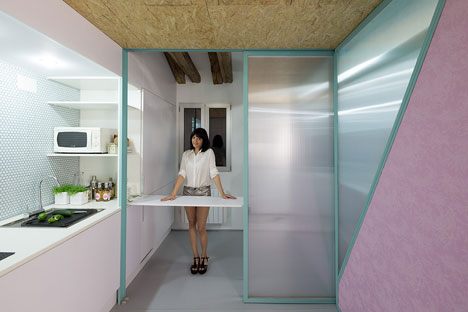
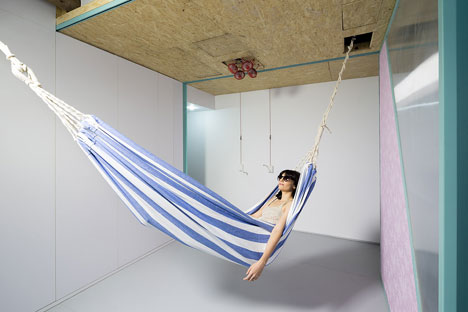
The architects also added several fun elements to tailor the space to the resident's lifestyle; a hammock, playground swing and disco ball all fold down from the ceiling, while a folding surface serves as a cocktail bar or ironing board.
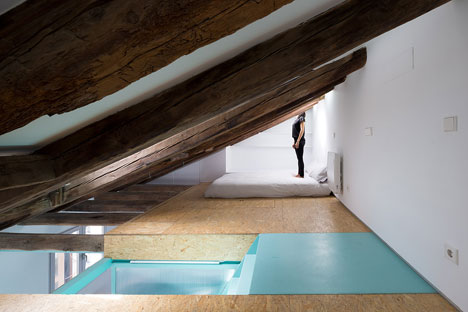
"Every house is a theatre," explained the architects. "Your house can be a dance floor one day and a tea room the next."
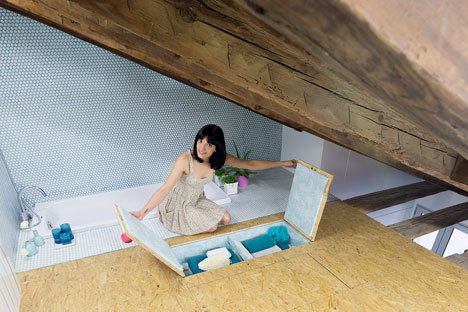
The movie imagines a complete day in the life of the apartment's inhabitant, from the moment she wakes up in the morning to the end of an evening spent with a friend.
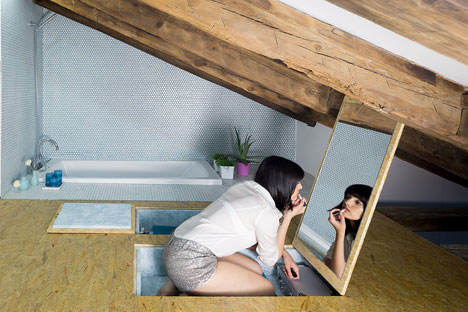
"The idea was to show all the different spaces and mechanisms in a narrative way," said De Guzmán.
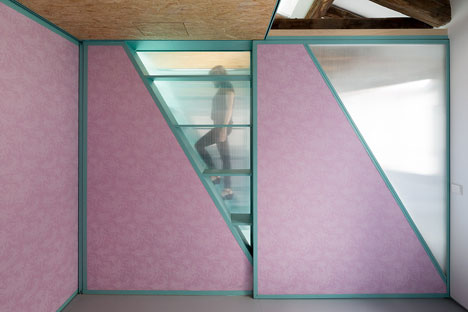
Getting dressed in the morning, the resident reveals wardrobes built into one of the walls. Later, she invites a friend round for a meal and they dine at a picnic table that lowers down from the kitchen ceiling.
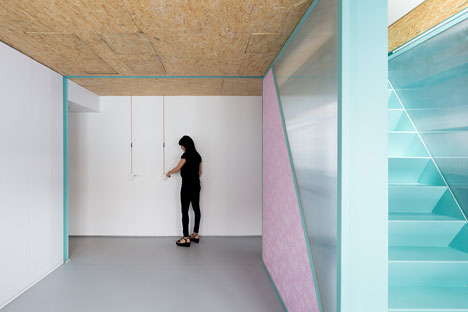
A rotating handle on the wall controls the pulleys needed to bring this furniture down from overhead, while other handles can be used to reveal shelving and fans.
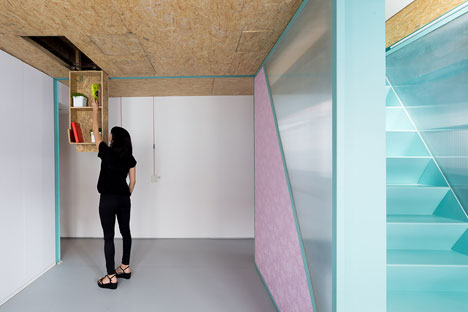
A metal staircase connecting the two levels is contained within a core at the centre of the apartment and is coloured in a vivid shade of turquoise.
A shower room lined with small hexagonal tiles is located to the rear of the kitchen, plus there's a bathroom on the mezzanine floor directly above.
Photography is also by Miguel de Guzmán.
More about if HERE.
Related Links:
Saturday, September 21. 2013
fabric | ch new project: a geo-engineered troposphere in the form of open data feeds (@Close_Closer)
By fabric | ch
-----
Deterritorialized Living is a new project by fabric | ch that we've just published online last week, in relation with the Call and the Talks we are presenting during Close, Closer, the 3rd Lisbon Architecture Triennale curated by Beatrice Galilee (first talk is today, September, 21 at 5pm, LX Factory, Rua Rodrigues Faria, Lisbon, while the second one will be on December, 14).
This project is the result of a residency we did in Beijing last spring, at the Tsinghua University (TASML) and has certainly some unconscious relation with the experience of climate we had in the city!

http://www.deterritorialized.org, the server of Deterritorialized Living, the artificial and livable troposphere.
Deterritorialized Living is an artificial troposphere that reverses our causal relationship to the natural rhythms of day and night, air, seasons, time. It is a “man made” environment where the atmosphere is the effect, continuously shaped from the global activities on the networks produced by humans and robots. The aim of this artificial, almost fictional atmosphere is to give permanent presence (at this stage only in the form of data flows) to what has paradoxically become an ambient, "atmospheric" and contextual experience of deterritorialisation / detemporalisation induced by the massive use of networks, transportation devices, flows of data or communication technologies. Therefore, to literally become able to "breathe" the environment we are generating through our common actions. To some extent, Deterritorialized Living could then also be considered as an information design, delivered in the form of an atmosphere.
As the result of its initial and designed rules, this milieu develops strange behaviors: daylight is always “on” (as there are always activities on the networks) but at variable strengths, nighttime never occurs, air composition regularly reaches “physiological enhancement” levels of high altitude, it is composed of a unique single day that goes back and forth and that ideally last forever, continuous. There are no months, no years.
Deterritorialized Living is delivered in the form of open data feeds which define this “geo-engineered” yet livable environment, computed by the deterritorialized.org server. We expect to develop and use the troposphere in the future in the form of installations, responsive devices and architecture projects.
But the artificial troposphere is also freely available to architects, artists, designers, scientists and makers of all kinds in the form of different “services”: Deterritorialized Air (N2, O2, CO2, Ar), Deterritorialized Daylight (visible light Intensity, IR, UV) and Deterritorialized Time (HH:MM:SS). Additional feeds and refined rules will be added along the time to mature this generated atmosphere.
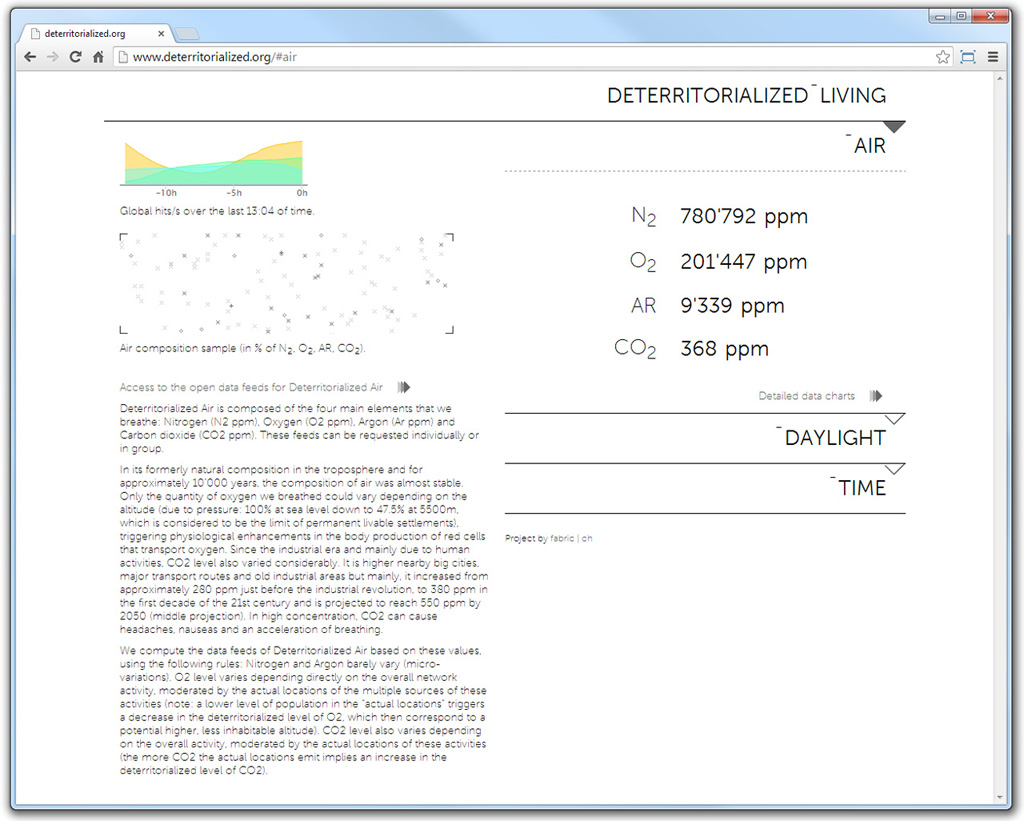
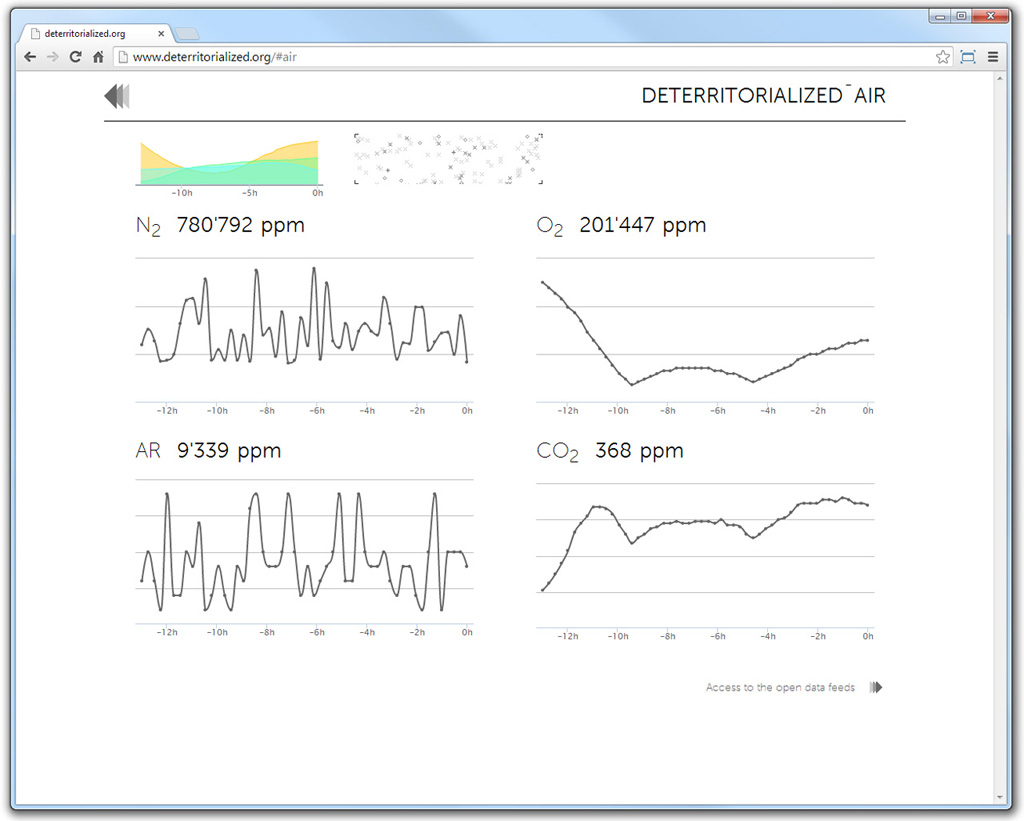
The live parameters, data and charts that show the evolution of values for Deterritorialized Air (N2, O2, AR, CO2).
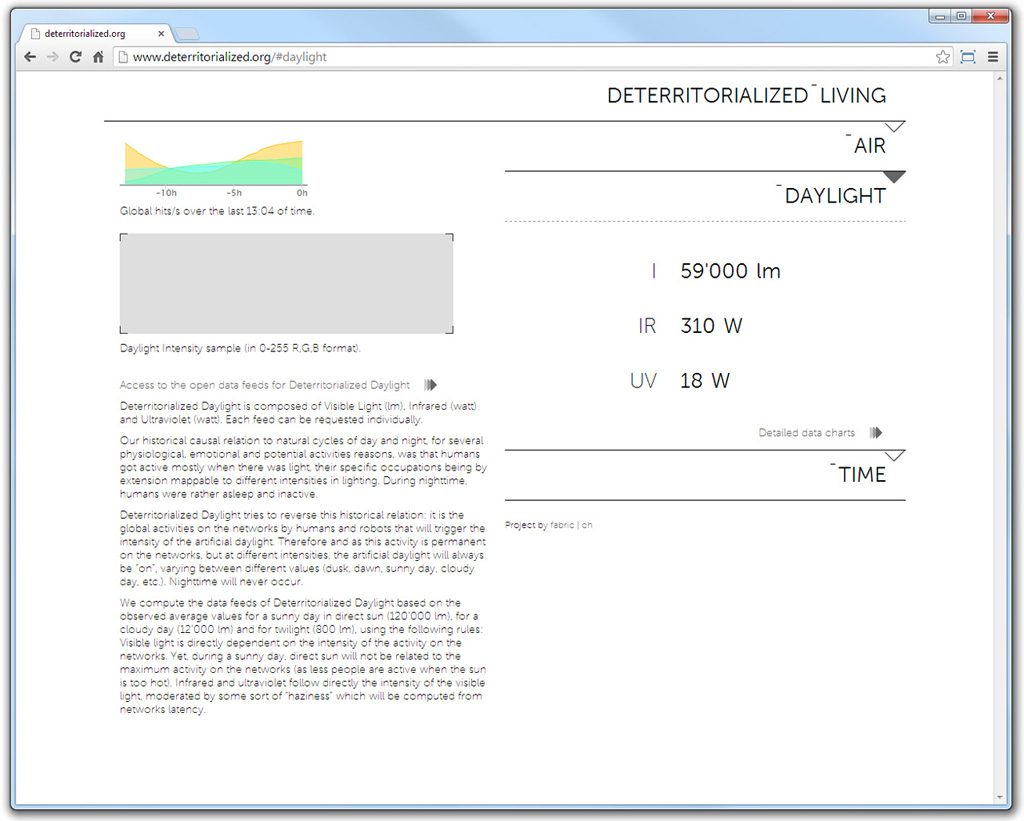
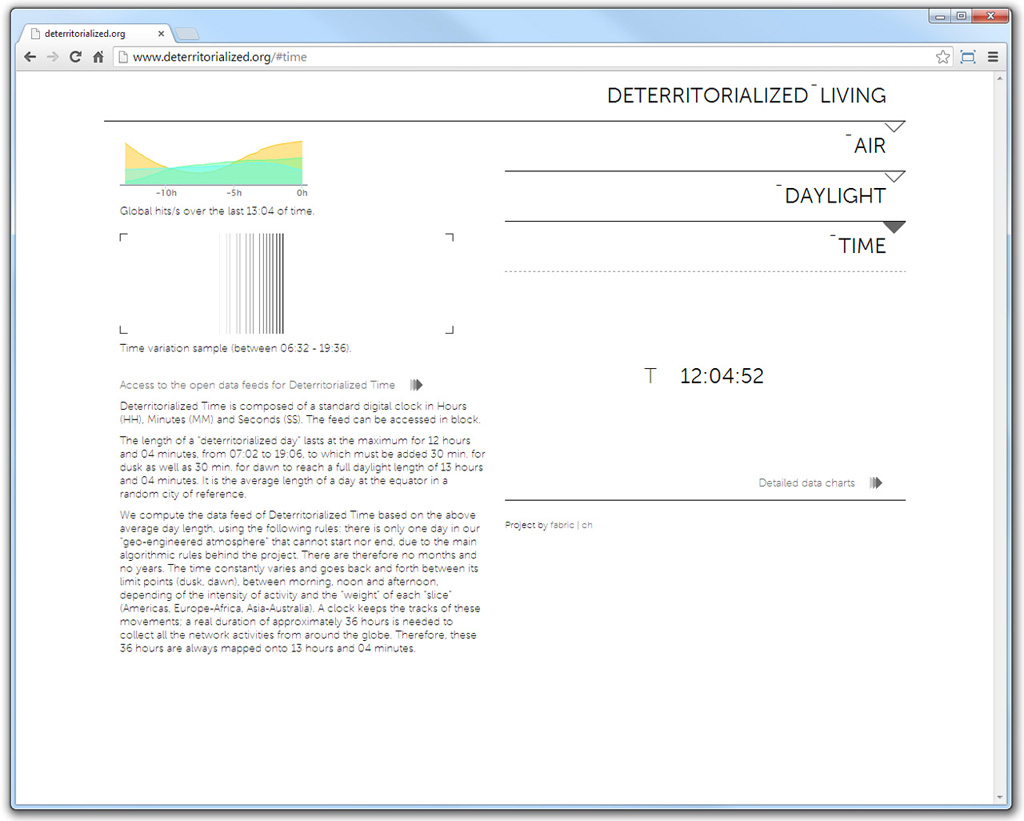

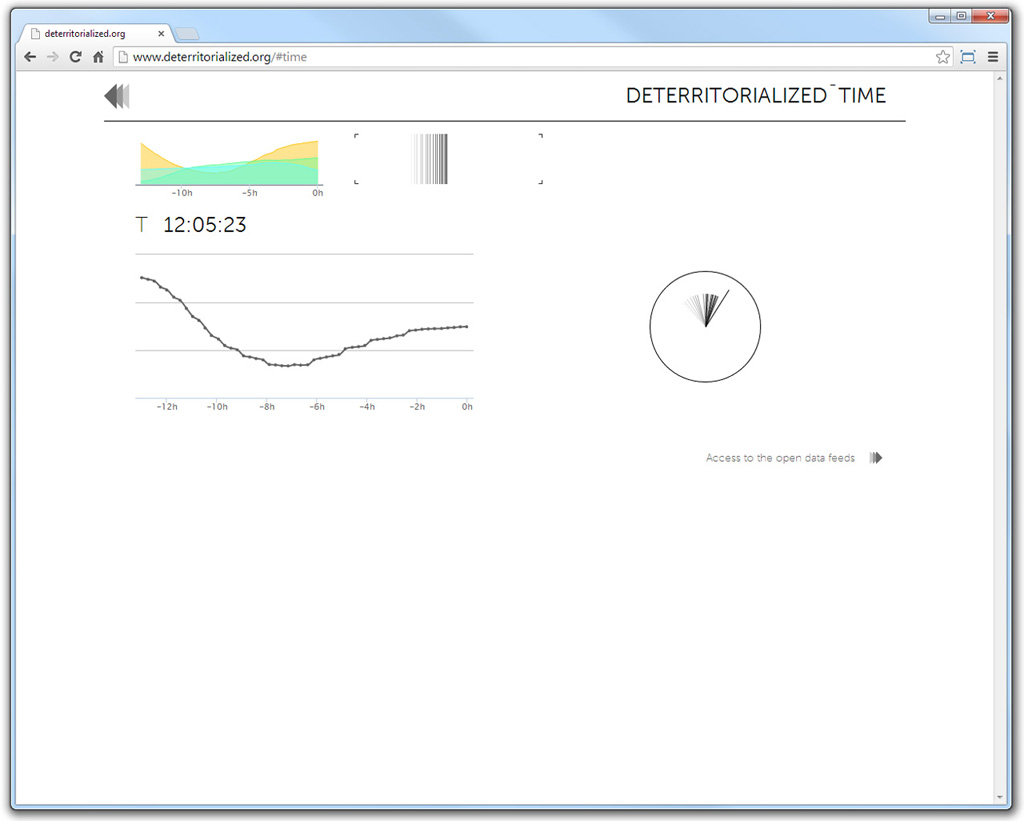
Values for Deterritorialized Daylight, including Intensity (lm, visible light), Infrared (w) and ultraviolet (w) as well as Deterritorialized Time (HH:MM:SS), with their related charts. It is interesting to note that the generated time changes along time... but not in a linear manner, it varies between 06:32 and 19:36.

Man page explaining how to access the different data feeds for the ones who would like to develop their own project out of Deterritorialized Living.
These algorithmically designed data feeds can therefore be used independently or combined to drive experimental devices, interfaces, software and speculative livable environments of all kinds (under the responsibility of their authors...).
Let us know if you'll be using it!
Related Links:
Thursday, September 05. 2013
The Room That Fits in a Suitcase
Via Make
-----

Designed by Roberto De Luca and Antonio Scarponi as modular office space—Hotello is portable space. Packed into the bright red trunk is everything you need to create a 6.5 × 6.5 ft square workspace in minutes. From the metal frame, to the furniture, to the curtains surrounding the space itself.

The workspace

Trunk and workspace

The workspace

The workspace

The trunk

The open trunk
Meant to convert the vast echoing and often abandoned spaces in our cities—empty warehouses and factories—into liveable space, the Hotello has a serious side, as in a disaster situation private space could be created for large numbers of people in a relatively short amount of time.
You just have to remember, “… it’s bigger on the inside, that’s all.”
Wednesday, November 07. 2012
Wind patterns and other works
Via Dezeen
-----
Hundreds of spinning blades reveal the invisible patterns of the wind in American artist Charles Sowers’ kinetic installation on the facade of the Randall Museum in San Francisco.
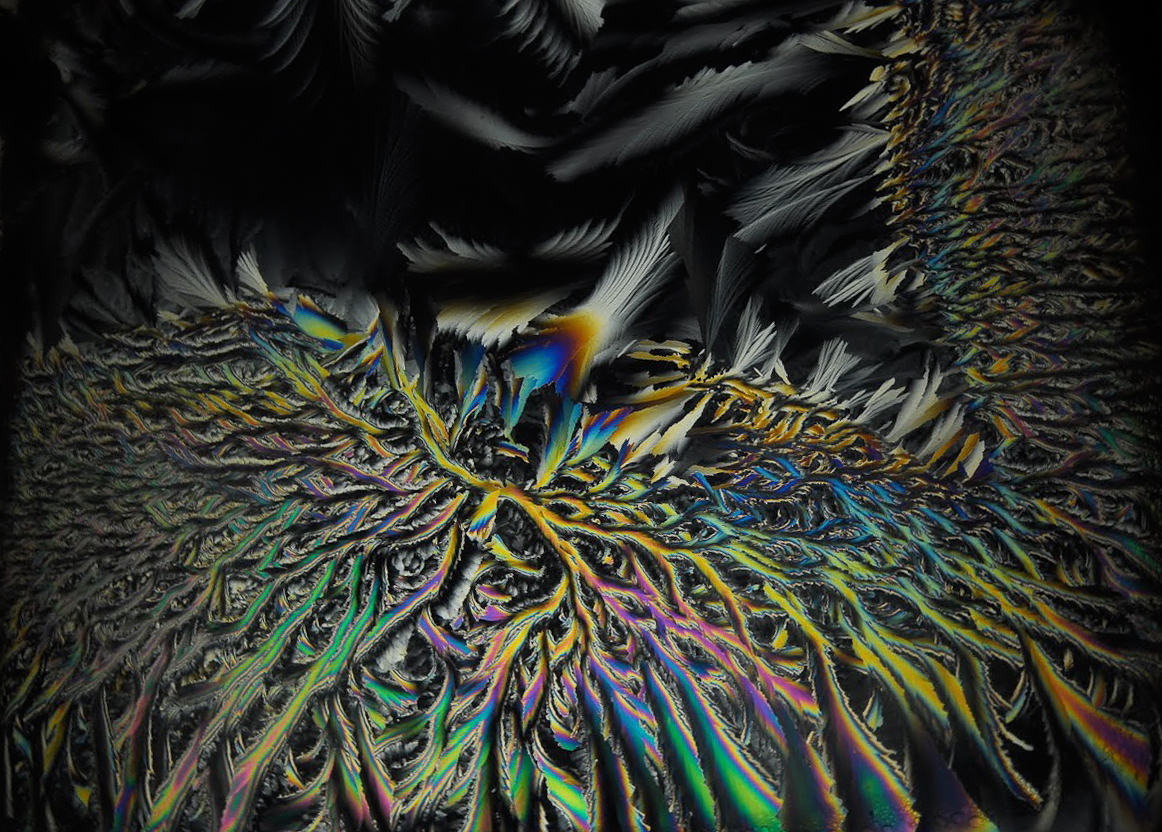
And also, Ice window:
or Dip Chambers:

and other works...
Personal comment:
http://charlessowers.com/#Charles Sowers

fabric | rblg
This blog is the survey website of fabric | ch - studio for architecture, interaction and research.
We curate and reblog articles, researches, writings, exhibitions and projects that we notice and find interesting during our everyday practice and readings.
Most articles concern the intertwined fields of architecture, territory, art, interaction design, thinking and science. From time to time, we also publish documentation about our own work and research, immersed among these related resources and inspirations.
This website is used by fabric | ch as archive, references and resources. It is shared with all those interested in the same topics as we are, in the hope that they will also find valuable references and content in it.
Quicksearch
Categories
Calendar

|
July '25 | |||||
| Mon | Tue | Wed | Thu | Fri | Sat | Sun |
| 1 | 2 | 3 | 4 | 5 | 6 | |
| 7 | 8 | 9 | 10 | 11 | 12 | 13 |
| 14 | 15 | 16 | 17 | 18 | 19 | 20 |
| 21 | 22 | 23 | 24 | 25 | 26 | 27 |
| 28 | 29 | 30 | 31 | |||
